
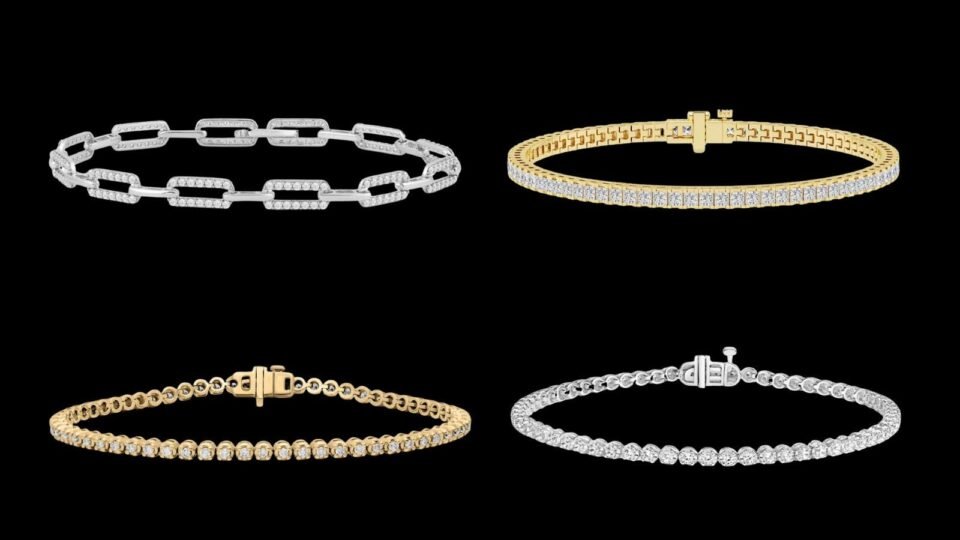
Receive a $250 gift card on orders over $1,000 at Brilliant Earth, where you’ll find our top tennis bracelet pick.
Whether you’re looking for an unforgettable gift or something to add to your own stack, a tennis bracelet is a simple yet timeless investment piece. Going the lab-grown diamond route comes with several advantages—affordability, reduced environmental impact, and the same brilliance as natural stones. Tapping into our collective years of experience researching and reporting on diamond jewelry, our fashion team picked the Brilliant Earth Certified Lab Created Diamond Tennis Bracelet as the best lab-grown diamond tennis bracelet overall, thanks to its elegant design and customizable features. We also recommend Clean Origin’s East West Baguette Tennis Bracelet as the most stylish option, with its distinctive east-west setting.
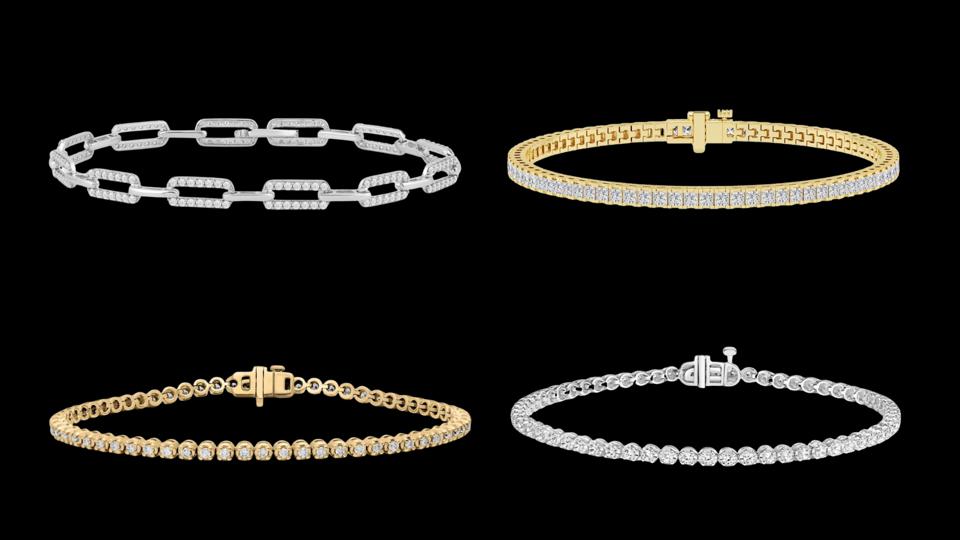
Here are the best lab-grown diamond tennis bracelets that are sustainable, sparkly and well worth their price tags.
Illustration: Forbes / Photo: Retailers
A piece of tennis jewelry—a style defined by its connected line of gems—is a worthy addition to any collection. In particular, lab-grown diamonds offer the most value while delivering that classic diamond sparkle. To select the best lab-grown tennis bracelets, we spoke with two experts and reviewed more than a dozen styles. We also evaluated key criteria, including diamond quality (cut, color, clarity and carat weight), metal type, craftsmanship and design features. Below, find our top picks, along with expert advice for choosing the right tennis bracelet.
Want to save this story for later?
No need to bookmark—get it straight to your inbox.
We’ve sent this story to your inbox.
How We Chose The Best Lab-Grown Diamond Tennis Bracelets
To select the best lab-grown diamond tennis bracelets, we looked beyond aesthetics; we analyzed each of our winners to ensure quality, value and brand trustworthiness.
Selection Criteria
We took a close look at each product, evaluating several key factors including:
- Diamond quality: We highlighted retailers that offer high-quality diamonds, along with helpful information on the cut, color, clarity, and carat weight of the lab-grown gems they sell.
- Metal type: We ensured each retailer offered a variety of metal setting options that are durable enough to hold up over time.
- Aesthetic: To suit a variety of tastes, we selected a range of tennis bracelets, from classic styles to more unique offerings.
Vetting Process
We also took a close look at each retailer to ensure a customer-first experience by considering:
- Brand reputation: Our fashion editorial team focused on top-rated brands and retailers known for high-quality jewelry, such as Brilliant Earth, Blue Nile and other reputable sources.
- Transparency and certification: We sought pieces with certifications from reputable gemological laboratories that provide detailed information about the diamonds’ characteristics to ensure transparency.
- Return policy and warranty: We only featured brands with straightforward return and exchange policies, as well as lifetime warranties to ensure your investment lasts for years to come.
Final Selection
The final products on this list reflect in-depth research that our writers conducted and meticulous vetting by our fashion editorial team.
What To Consider When Buying A Lab-Grown Diamond Tennis Bracelet
There are several factors to weigh when shopping for the best lab-grown diamond tennis bracelets. Here’s what to keep in mind:
Certification And Grading
Make sure your purchase comes with a certificate from a trusted gemological lab for authenticity. “Look for bracelets with diamonds graded by IGI (International Gemological Institute) or GIA (Gemological Institute of America),” says Rachel Akmakjian, BriteCo’s Director of Jeweler Relations. Lab-grown diamonds have the same physical and chemical properties as natural diamonds, so they’re certified and graded using the same scale.
Diamonds are graded using the four C’s criteria: carat, color, clarity and cut. “Because they are grown in a controlled environment, lab diamonds often have fewer inclusions and are often seen higher in color than natural diamonds,” explains Akmakjian. Your diamond certification will contain information on all of the four C’s, which impacts each piece’s overall price.
Carat Weight
The carat weight is a matter of personal style and preference. If you’re looking for a delicate, everyday bracelet that’s more affordable, opt for a lower carat weight. Consider 7 to 10 carats for something bold and eye-catching. Akmakjian advises that 4 to 8 carats strikes a balance between luxury and wearability, while 10 carats or higher is a statement piece for special occasions. Keep in mind that the higher the carat weight, the more expensive the bracelet will be.
Metal Type
Like the carat weight, the metal type primarily depends on your style, preference and budget. White gold, yellow gold, rose gold and platinum all look striking when paired with diamonds.
- White gold: “White gold, with its bright, modern look, complements cool undertones and works beautifully for those with fair or rosy complexions,” says Brittany Nolan, a senior design consultant at Lauren B Jewelry.
- Yellow gold: “Yellow gold, on the other hand, has a warm, classic appeal that pairs wonderfully with warm undertones, like olive or deeper skin tones. It’s also a low-maintenance choice, making it a great option for those who appreciate a more traditional aesthetic.”
- Rose gold: Rose gold is a less common choice, but it’s typically more affordable than other types of gold and has a romantic, vintage look.
- Platinum: In contrast, platinum is the most expensive option, but it’s also the “most durable and hypoallergenic.” That makes it a good choice for those with sensitive skin, and the silvery-white sheen doesn’t fade over time.
Why Trust Forbes Vetted
The Forbes Vetted fashion team has researched, written and published dozens of jewelry stories, tapping into our own extensive knowledge of retailers to make the best recommendations for our readers.
- Katherine Louie, the primary author of this piece, is a lifestyle editor with extensive experience covering fashion and lifestyle topics. She’s also done research on lab-grown diamonds, having chosen one for her own engagement ring.
- The secondary author of this piece, Molly Calhoun, is an experienced fashion writer who has previously covered the best tennis jewelry and the best affordable jewelry brands.
- The initial publishing of this article was overseen by former deputy editor Kari Molvar, who holds certificates in Lab-Grown Diamond Fundamentals from the International Gem Society (IGS) and Jewelry Essentials from the Gemological Institute of America (GIA).
- We also consulted two industry experts to gain a deeper knowledge of lab-grown diamonds: Rachel Akmakjian, BriteCo’s Director of Jeweler Relations, and Brittany Nolan, Senior Design Consultant at Lauren B Jewelry.
- This story was last updated in February 2026 by fashion writer Claire Epting, who has five years’ experience covering lifestyle and apparel topics. Epting writes the majority of Forbes Vetted’s jewelry updates and has authored our roundups on the best places to buy engagement rings and the best places to buy diamonds.