
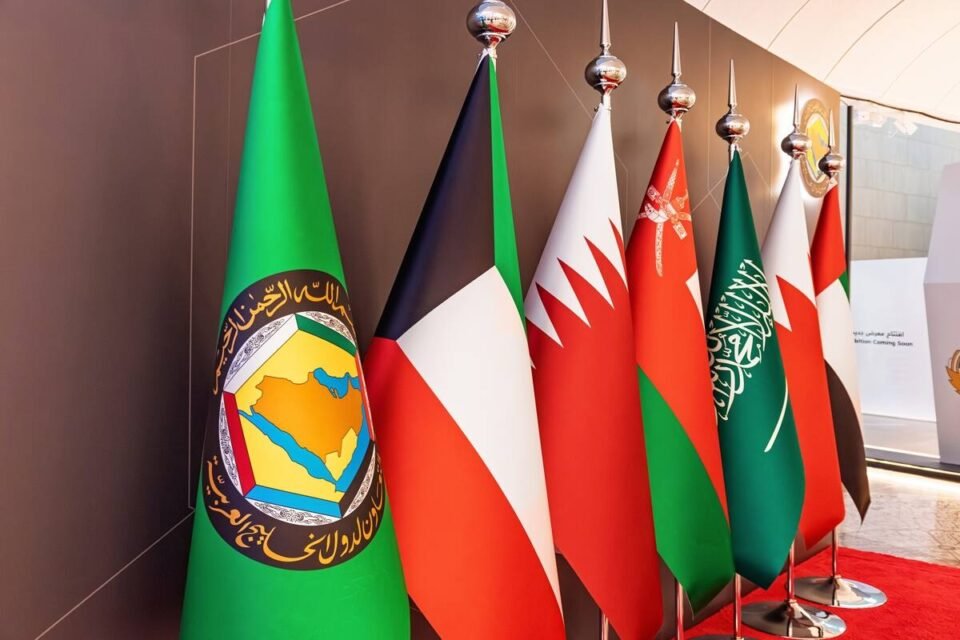
GCC countries recorded leading positions across areas including international trade, economic performance, infrastructure and public finance
GCC economies have achieved advanced global rankings across several key competitiveness indicators, reflecting the region’s continued progress in strengthening economic resilience, improving institutional efficiency and building more attractive investment environments.
According to the latest data released by the GCC Statistical Center (GCC-Stat), based on the findings of the IMD World Competitiveness Yearbook 2026, GCC countries recorded leading positions across areas including international trade, economic performance, infrastructure, public finance, labour market efficiency, price stability and tax policy.
The results highlight the impact of long-term economic strategies, diversification programs and structural reforms implemented across the region to enhance productivity, support private-sector growth and improve competitiveness in global markets.
UAE tops trade and economic performance indicators
The United Arab Emirates ranked first globally in the International Trade indicator and also topped the Economic Performance factor, underscoring the strength of its trade openness and the competitiveness of its economy.
The UAE’s strong performance underscores the impact of policies aimed at expanding non-oil sectors, strengthening its role as a global business and logistics hub, and enhancing its integration into international markets.
Qatar ranked second globally in the Labor Market indicator under the Business Efficiency factor, reflecting the efficiency and attractiveness of its labour market. The ranking reflects continued efforts to improve workforce conditions, enhance economic productivity and create an environment capable of supporting business growth and investment.
Meanwhile, Bahrain ranked third globally in the Price Stability indicator under the Economic Performance factor. The achievement highlights the effectiveness of economic and monetary policies in maintaining stability, supporting investor confidence and creating a predictable business environment.
Saudi Arabia ranks third globally in infrastructure
Saudi Arabia ranked third globally in the Basic Infrastructure indicator under the infrastructure factor, reflecting the continued development of infrastructure projects and their role in supporting economic growth.
The ranking comes as Saudi Arabia accelerates infrastructure development under its broader economic transformation agenda, with major investments in transport, logistics, urban development and digital infrastructure aimed at enabling sustainable growth.
Under the Government Efficiency factor, Kuwait ranked third globally in the Public Finance indicator, reflecting the strength of its fiscal position and the efficient management of public resources.
Finally, the Sultanate of Oman ranked sixth globally in the Tax Policy indicator under the Government Efficiency factor. This achievement reflects the competitiveness of its tax environment and its role in enhancing investment attractiveness.
Economic policies and structural reforms boost GCC competitiveness
The latest rankings demonstrate the GCC’s growing position in the global competitiveness landscape and highlight the effectiveness of policies focused on economic diversification, institutional development and business environment improvements.
The continued advancement of GCC states across international indicators reflects the region’s broader transformation efforts, as governments implement structural reforms designed to boost private-sector participation, attract investment and achieve sustainable economic growth.
Together, these achievements reinforce the GCC’s emergence as one of the world’s most dynamic economic regions, supported by ambitious development strategies and ongoing reforms aimed at enhancing global competitiveness.