
Understanding the roadblocks for investors
Still, there is a significant gap between retail investors’ interest and their knowledge of these assets.
For instance, respondents identified illiquidity risk—the risk that the asset cannot easily or quickly be sold—as one of their top concerns when making an investment. But when asked about their tolerance for quarterly liquidation caps of different amounts, the proportion of respondents indicating that they would not invest in a product with this feature increased with the size of the cap. Since a larger cap allows for more liquidations, this finding suggests that at least some retail investors don’t fully understand the basics of how liquidation caps work.
Investors don’t necessarily perceive the knowledge gap, though—the survey found that an investor’s self-rated knowledge of an asset class was strongly correlated with their level of investment interest.
The findings also suggest that structuring products for these investors may pose challenges for today’s asset managers. High-net-worth and institutional investors have typically agreed to longer-term investments with alternative asset managers as a way to seek higher returns. In contrast, many financial products offered to retail investors are more liquid and do not require investment minimums.
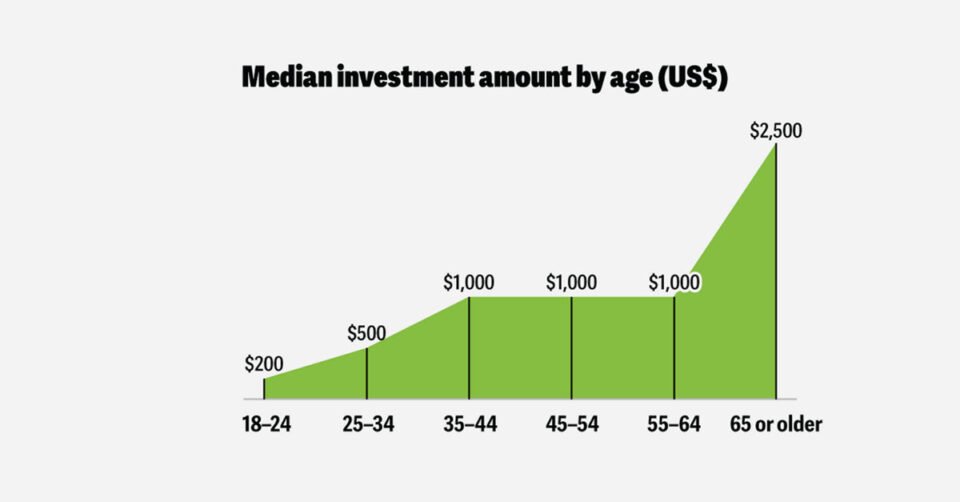
While younger investors appear to be the most interested in alternative assets, they also typically invest relatively small amounts and hold investments for two years or less. In fact, Deloitte’s survey shows 80% of retail investors have a typical investment horizon of less than five years for non-retirement investments (see figure 4 for a more detailed breakdown by age group).