
“Hearst Magazines and Yahoo may earn commission or revenue on some items through these links.”
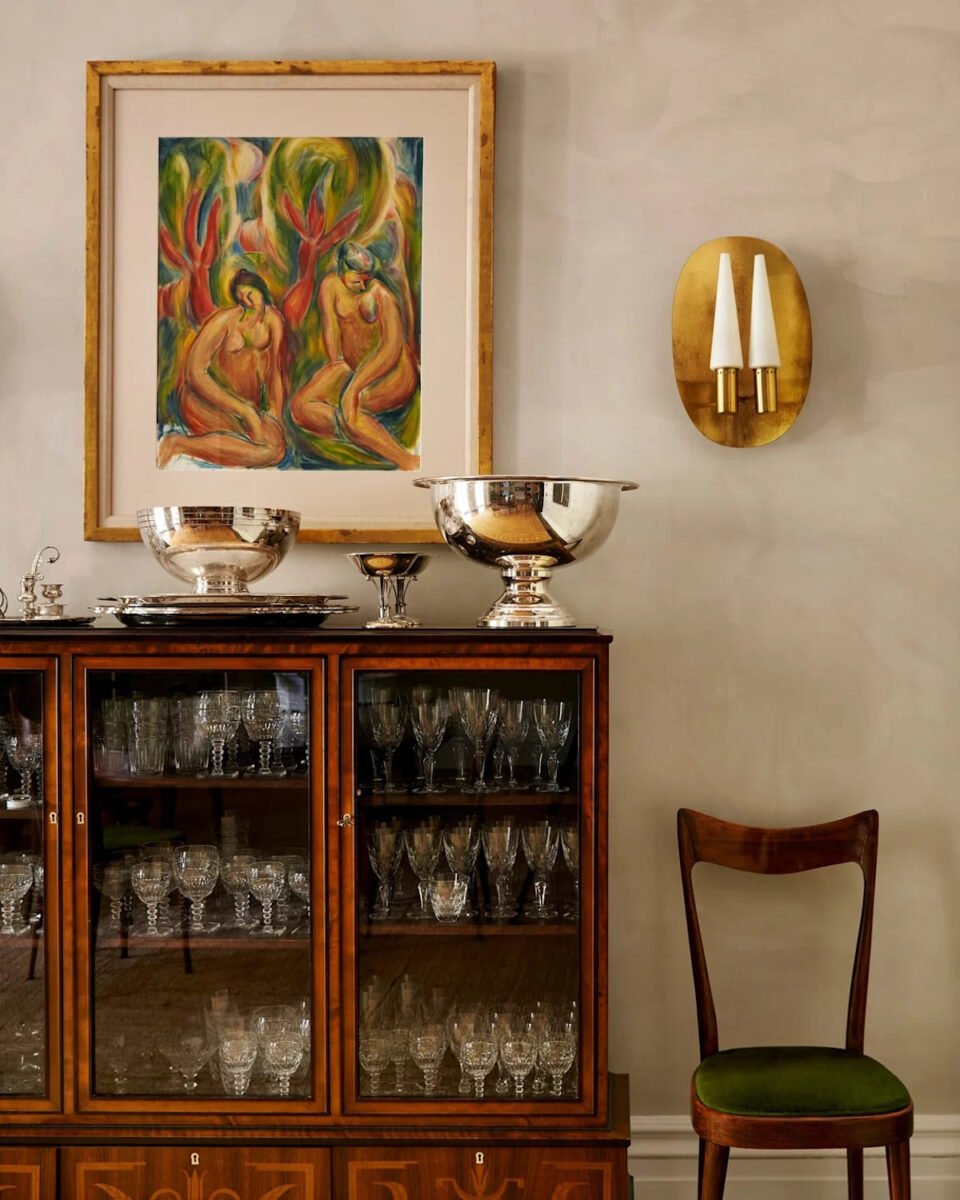
Our grandmothers know a thing or two about good taste—and their homes often double as living galleries filled with antiques, furniture, and jewelry that tell a story. And if she’s known for being a grand hostess, it’s almost guaranteed that her party closet is stocked with silver pieces that may be surprisingly valuable.
As hosts move away from gold and brass that dominated tablescapes of years past, one-of-a-kind silver tableware and flatware are making a return for everyday entertaining and special soirées alike. There’s no better place to begin a collection than your grandmother’s own stash. But how can you tell whether a piece is genuinely valuable—or simply beautiful?
Advertisement
Advertisement
According to Jason Price, senior vice president of silver operations at Replacements, the first step is learning how to distinguish sterling silver from silver-plated pieces. Many people may know to look for markings such as “Sterling” and “925” on American silver, which indicate that the piece contains 92.5 percent pure silver—the standard required for sterling silver. However, not all silver follows the same hallmark system, meaning you might overlook a rare piece without even realizing it.
“If a piece isn’t clearly marked ‘Sterling’ or ‘925,’ an owner may assume it has little value and donate it or sell it inexpensively,” says Price. “This is especially true with international silver, where the hallmark systems can be more difficult to interpret, or with early American coin silver, which predates the widespread use of the sterling standard and often carries less obvious markings.”
Price adds that instead of tossing away anything that may seem ordinary, approach your silver-hunting journey with an investigative mindset. Take the extra step to examine each piece for any telling maker’s marks and research your findings. “The lesson is not to judge a piece by its appearance alone,” says Price. “In silver, a modest-looking object can sometimes be far more valuable than an ornate one. Before anything goes into a junk pile, look at the stamp. That small mark often tells the most important part of the story.”
Ahead, we asked Price to share what valuable pieces may be hiding in your grandma’s house—and how to identify them. Your next great silver find may already be sitting in a cabinet.
1) Julep Cups

Keep the mint juleps stirring—and collect those precious sterling silver cups because they are much more valuable than you think. “While they’re relatively simple objects, they have a devoted collector following, particularly examples made by respected silversmiths, those with regional significance, or cups featuring engravings that add historical interest,” says Price. “Their appeal extends beyond silver collectors, as mint julep cups are closely associated with the Kentucky Derby and its iconic signature drink, creating additional demand among horse racing enthusiasts.”
Make sure to always check the material of mint julep cups since many are made from pewter that has been polished to resemble traditional silver. While beautiful in its own right, the pewter cups don’t hold as much value as their heirloom silver counterparts.
2) Specialty Utensils

Upon examining a full silver service set, there are always a few obscure pieces that leave you wondering what on earth they could possibly be used for. Price says those specialty serving utensils tend to secretly be where the hidden value is found. “While common forks and spoons are plentiful, rarer forms, such as sugar sifters, asparagus servers (above), ice cream servers, or other specialty utensils produced in smaller quantities, can attract significant interest from collectors trying to complete sets,” he says.
He further notes that in many instances, rarity matters more than the actual size of a piece. A small, ornate cheese scoop or mustard ladle can sometimes be worth considerably more than something like a cake server, as fewer of the smaller items were made and survived.
3) Tiffany & Co. Flatware from Heritage Brands

One of the first things Price always tells people sorting through inherited flatware is to look for the maker’s mark. Heritage brands such as Tiffany & Co., Gorham, Whiting, Buccellati, and Christofle tend to reach premium prices as they’ve earned a reputation for exceptional craftsmanship and one-of-a-kind designs that remain timeless.
With that in mind, Price is quick to point out that the silver market is always evolving, resulting in many once-significant and highly coveted patterns trading “much closer to their melt value than they did decades ago.” As for specific patterns reaching high resale values, Price calls out Tiffany’s Olympian pattern as one that is highly collectible and sought after for its intricate and artistic pattern.
Price also says to look out for iconic “blue-chip” patterns that have remained desirable among different generations and have an almost cult-like following. “Patterns such as Gorham Chantilly, Wallace Grand Baroque, and other iconic designs remain highly recognizable and continue to have strong followings within the silver market.”
4) Hester Bateman English Silver

Identifying European silver can be rather tricky since there are thousands of different hallmarks. However, those marks are often what add to the value of the piece, especially with English silver. Price says, “One of the fascinating aspects of the English hallmarking system is that it allows you to identify not only the silversmith but often the exact year a piece was made. For collectors, that adds an extra layer of history and provenance that can be very appealing.”
Pieces created by Hester Bateman, Garrard & Co., and Paul Storr are just some of the names to look out for when collecting English silver.
5) Late 19th- and Early 20th-Century American Pieces

Much like the paint colors and antiques that fill our homes, personal taste often guides us to the silverware patterns and holloware waiting for a spot in our collection. For those unsure where to start their hunt, Price often steers them toward pieces made in the late 19th and early 20th centuries, as it’s regarded as the golden age of American silver production. When sorting through grandma’s silver, keep an eye out for popular brands of that era such as Gorham, Reed & Barton, Tiffany & Co., and Wallace.
“Roughly from the 1870s through about 1925, American silversmiths were producing some of the most ambitious and artistic work ever created in the category,” says Price. “That period gave us extraordinary craftsmanship, intricate design, and a level of hand-finishing that collectors continue to appreciate today.”
6) Any Piece Bearing a Prestigious Maker’s Mark

The main lesson to take away when identifying and sorting through silver is to always hold on to anything that bears a prestigious maker’s mark. It may be a simple sterling silver bowl or goblet, but it may carry a more meaningful value due to its history or craftsmanship. Price says, “Something marked Tiffany, for example, should always be researched before being discarded or sold as scrap. Even relatively simple Tiffany pieces can carry significant value because of the brand’s enduring reputation and collector demand.”
You Might Also Like
Advertisement
Advertisement