
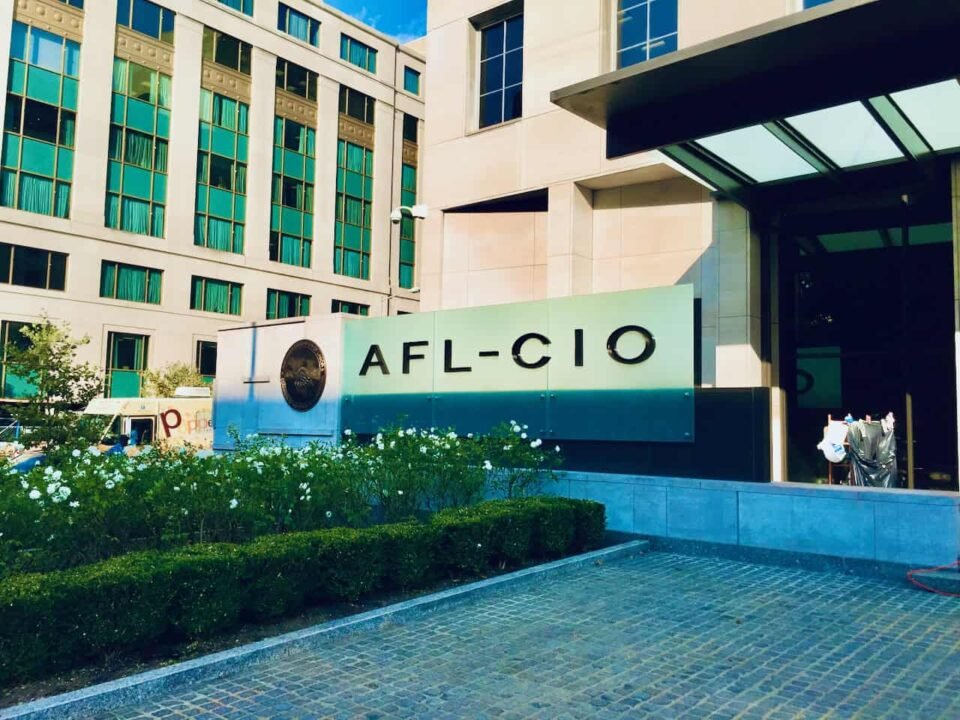
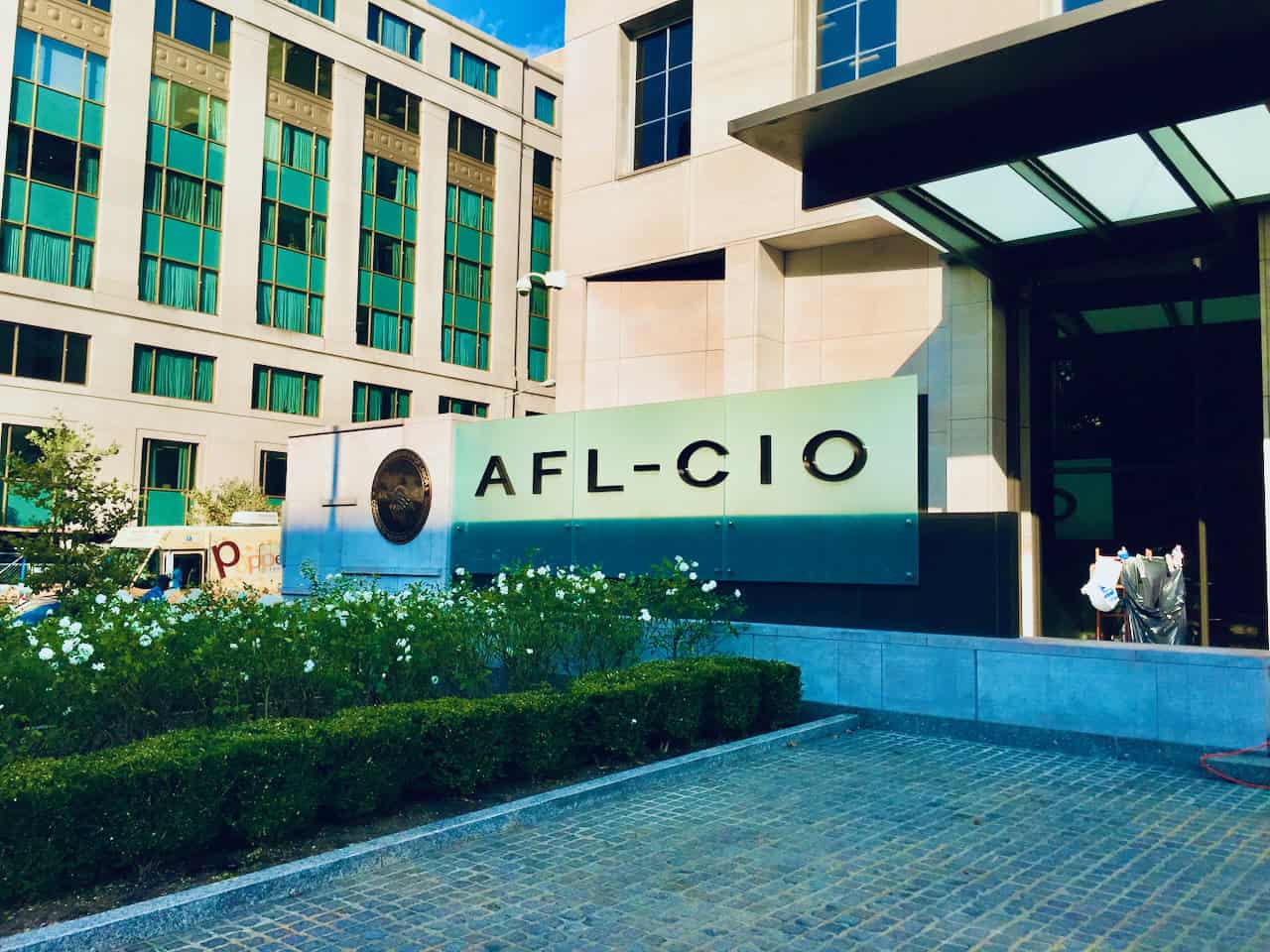
Labor Unions have chosen to side with the anti-crypto team regarding the CLARITY Act.
The legislation is scheduled for a markup hearing at the Senate Banking Committee this Thursday. It was recently reported that the Democrat ranking member on the Committee, Senator Elizabeth Warren, had sided with the legacy banking industry to oppose the bill. Today, the AFL-CIO issued a letter in support of Warren, claiming that the CLARITY Act will make wealthy individuals wealthier while putting the majority at greater risk.
Here is the CLARITY Act.
To quote the letter sent to the Senate:
“We are deeply concerned that this bill will prompt a flood of digital assets into pension plans, retirement accounts, and our broader financial system under an ineffective regulatory system. While this will make a small number of wealthy people even wealthier, it puts the rest of us at risk.”
The labor union is of the opinion that “working people who will get hit first and hit hardest” when the financial system is destabilized by digital assets.
The letter believes that tokenization is nefarious, supporting “a new form of shadow stock that would exist outside of SEC oversight.”
Regarding the banking industry, the AFL-CIO anticipates heightened risk at FDIC-insured banks as they migrate to blockchain technology and hold digital assets in custody.
“If a deal has been struck between the banking and crypto industries, that is no reason to rush. There are more parties to bring to the table. Hundreds of millions of working people have an interest here. Among other things, our pensions should not be on billionaires’ menus. The AFL-CIO strongly urges you to oppose the Responsible Financial Innovation Act.”
The letter is signed by Jody Calemine, Director, Government Affairs.
The legislation has already been approved in the House, and a deal has been cut in the Senate that is expected to have sufficient support for the bill to pass a floor vote. The banking industry has recently renewed its attacks on the legislation, using tactics such as fear of the unknown to compel its members to call legislators and demand that they oppose the bill.
These last-minute proclamations miss the fact that internal debate between legislators, industry participants, and the White House has been ongoing for many months. The digitization of finance is inevitable and offers many benefits for consumers and small businesses. The bill’s current language supports safety and counters illicit activity, which is always an issue in the financial services sector, digital or not. Unfortunately, there appears to be an extreme partisan effort to derail the modernization of finance, which may lower costs, streamline services, and help the masses gain access to greater opportunity and new asset classes.