
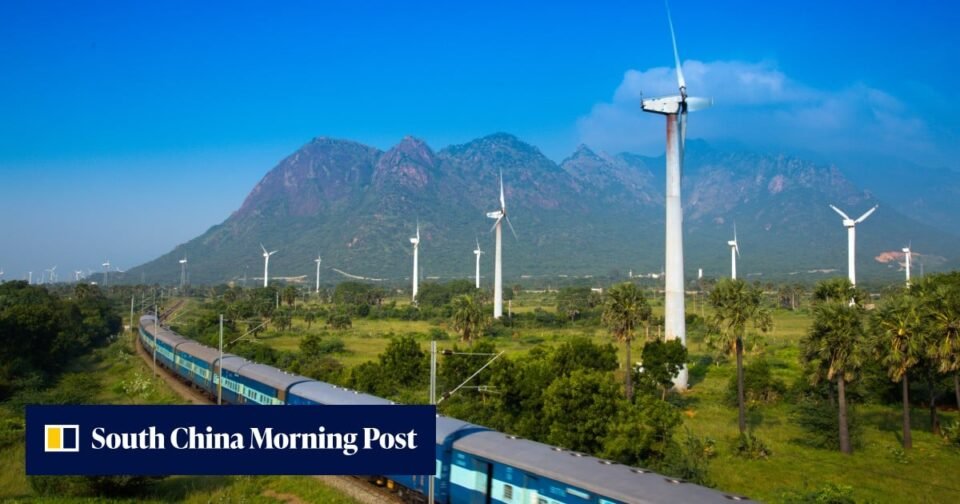
The world is in the middle of an infrastructure reckoning. According to McKinsey’s latest global infrastructure report, a cumulative US$106 trillion in investment is required to meet the world’s infrastructure needs through 2040 – a figure that encompasses everything from the traditional arteries of commerce (roads, ports and bridges) to the digital nervous system of the modern economy: data centres, fibre-optic networks and electric vehicle charging stations.
Infrastructure underpins the functioning of economies and societies. “A genuine infrastructure asset provides an essential service,” explains Hardik Shah, Asia-Pacific Infrastructure partner at KKR. “It is difficult to replicate, and its revenues are largely contracted or regulated – which means they are predictable over long periods and less tied to the ups and downs of the broader economy. That is what gives the asset class its resilience.”
The category splits broadly into two silos. Traditional, or “brownfield”, infrastructure – existing assets such as toll roads, airports and utilities – offers stable, inflation-linked income and lower risk. “Greenfield” infrastructure – the construction of new assets – demands more capital and carries more execution risk, but can deliver superior returns over time.
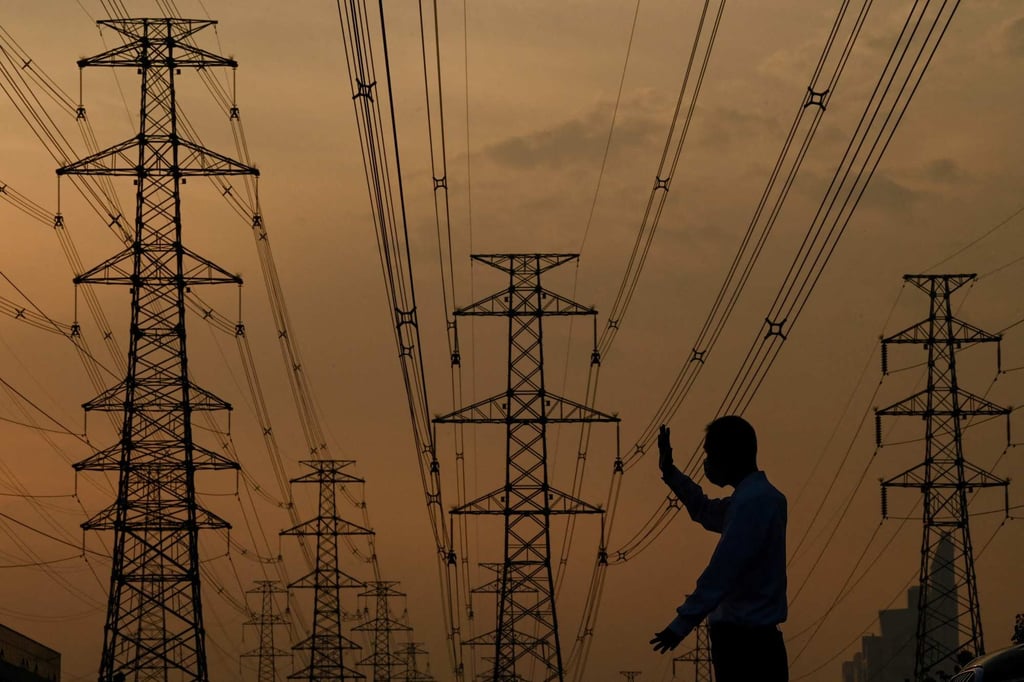
For Sam Padgett, Asia-Pacific Private Equity Origination leader at Deloitte, the surge of institutional interest in infrastructure is as much about protection as it is about growth. “These sectors are more resilient amid current volatility, with stable demand, predictable cash flows and downside protection, which made them attractive in a more uncertain market environment,” he says, adding that these sectors are becoming more appealing for private equity investors seeking to avoid valuation compression, when positive but not-positive-enough returns cause valuations to stagnate.
Padgett is careful to note, however, that the infrastructure label is not uniformly low-risk.
These sectors are more resilient amid current volatility, with stable demand, predictable cash flows and downside protection
“Contractual underpinnings, local supply dynamics, and customer retention are all factors that need to be considered. What qualifies as an ‘infrastructure’ investment can vary widely from one investor to the next,” he says.
KKR’s own portfolio in South and Southeast Asia reflects this. They currently own significant portions of regional data centre platforms STT GDC and Nxera, as well as Pinnacle Towers, which it built into the largest independent telecoms tower company in the Philippines. In India, a market Shah identifies as “a particular area of focus”, KKR is committing over US$1 billion across renewable energy platforms Serentica and Hero Future Energies, as well as to IndiGrid, one of India’s largest power transmission businesses.
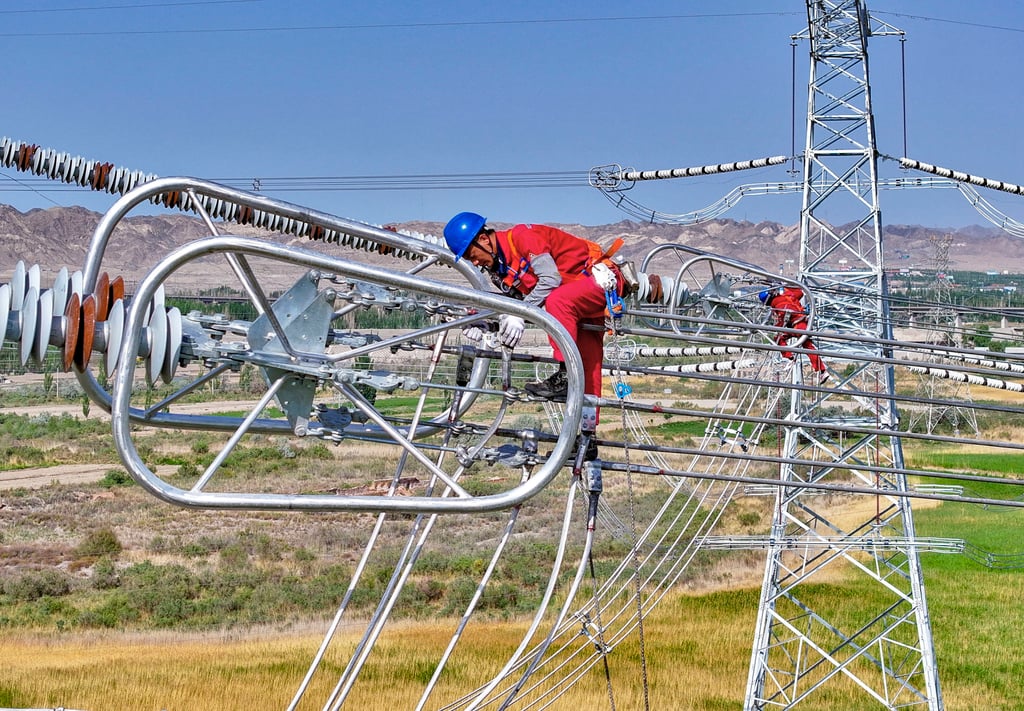
Meanwhile, China is bouncing back in both investment deal count and size as the SCMP reported in February that local governments are channelling private capital towards power line construction to bring clean energy to remote regions. For example, Xinjiang, Qinghai and the municipality of Chongqing all separately called for investors to participate in a US$4.5 billion project alongside the State Grid Corporation of China.
Japan is another of the region’s stand-out markets. Deloitte’s Almanac shows it nearly doubled deal value from 2024 to reach US$33.4 billion in private equity buyout activity in 2025, taking the top ranking across the region.
Padgett sees structural foundations underpinning the momentum: succession planning, shareholder activism and corporate carve-outs, supported by affordable bank financing and a growing openness to private capital engagement. “General sentiment has transitioned from a historically pessimistic view to one of potential synergistic collaboration,” he says. “The runway for sustained Japanese private capital investment appears very long.”
For all the structural tailwinds, 2026 is not without its uncertainties. Padgett flags commodity price volatility as the single factor most likely to weigh on infrastructure deal activity across the region for the remainder of the year. “Unlike tariffs, the impacts of commodity prices could take months, if not years, to fully flow through the economy,” he cautions. “The impact of commodity prices – volatility, timing and the second-order effects in different Asian economies – will be a key factor weighing on investors’ minds.”