
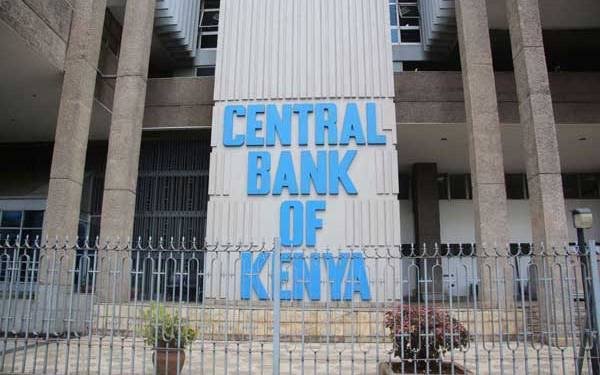
Kenya is planning to centralise county government funds under a proposed framework that would bring public deposits and payments under the Central Bank of Kenya (CBK).
The proposal is contained in the Public Finance Management (Amendment) Bill, 2026, which was discussed before a Senate committee on Wednesday, November 18, following recommendations by CBK Governor Kamau Thugge.
The proposed Treasury Single Account (TSA) would give the National Treasury a consolidated view of county revenues, available balances and government spending.
CBK seeks tighter county fund oversight
The Central Bank of Kenya (CBK) has backed proposals to reduce the number of commercial bank accounts operated by county governments to strengthen oversight of public funds.
Governor Kamau Thugge said consolidating county deposits at the Central Bank would improve the National Treasury’s visibility into available public resources and reduce unnecessary borrowing costs.
- “We fully support this proposed amendment,” Thugge told senators.
He argued that keeping public deposits at the CBK would help the government avoid paying interest on borrowed funds while idle resources remained in commercial banks.
Thugge recommended that counties retain only one imprest account with commercial banks, while maintaining their main operational and project accounts at the CBK.
However, the proposal raised concerns among senators about county autonomy and service delivery.
- Kakamega Senator Boni Khalwale questioned whether requiring National Treasury approval before counties open or close bank accounts would undermine the constitutional independence of the two levels of government.
- Committee Vice Chairperson Tabitha Mutinda also warned that additional approval requirements could delay county operations.
Thugge responded that the approval process would largely be a one-off exercise, with county treasuries retaining control over their daily financial activities.
Kenya moves to consolidate 1,400 accounts
The proposed reforms target more than 1,400 commercial bank accounts operated by county governments.
Under the Public Finance Management (Amendment) Bill, 2026, county departments and entities would process deposits and payments through a centralised TSA, including transactions involving funds drawn from the County Revenue Fund.
The proposed changes include:
- Requiring written National Treasury approval before counties open or close bank accounts.
- Consolidating county revenues and operational funds through the CBK.
- Limiting commercial bank accounts to arrangements such as imprest and petty cash operations.
- Improving monitoring of county deposits, cash balances and payments.
The National Treasury and the Office of the Controller of Budget have raised concerns about the proliferation of county bank accounts, including those that do not comply with existing financial regulations.
CBK officials also told the committee that 99% of county transactions were already conducted digitally, allowing governments to open accounts, initiate payments and manage deposits remotely.
This would enable counties to transact even in regions without physical CBK branches, including Wajir.
Nigeria’s TSA offers useful lessons
Nigeria introduced its Treasury Single Account policy to centralise government funds and improve public financial management across Ministries, Departments and Agencies (MDAs).
- In a report published on August 17, 2017, Nairametrics reported that the Federal Government had merged more than 20,000 government bank accounts under the TSA, according to the then Accountant-General of the Federation, Ahmed Idris.
- The policy required government revenues and payments to pass through a consolidated account at the Central Bank of Nigeria (CBN), replacing multiple banking arrangements maintained by government agencies.
- The initiative aimed to improve transparency, track government revenues, reduce financial leakages and cut unnecessary borrowing costs.
Following the consolidation, the Federal Government reported monthly savings of N4.7 billion.
Nigeria’s experience provides a comparison as Kenya considers centralising county government funds through its proposed banking reforms.