
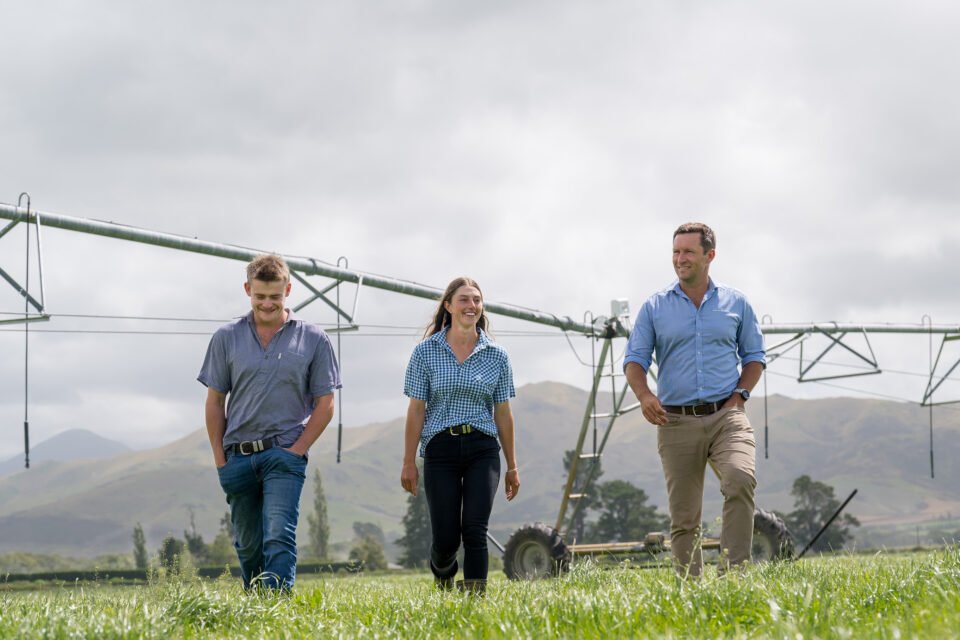
A new generation of rural property buyers is beginning to reshape New Zealand’s farming landscape, bringing with them a different mindset, new financial approaches, and evolving ideas around growth, risk and opportunity.
While farming has always been built on long-term thinking and legacy, younger buyers entering the rural real estate market are approaching ownership with a sharper commercial lens than those who came before them.
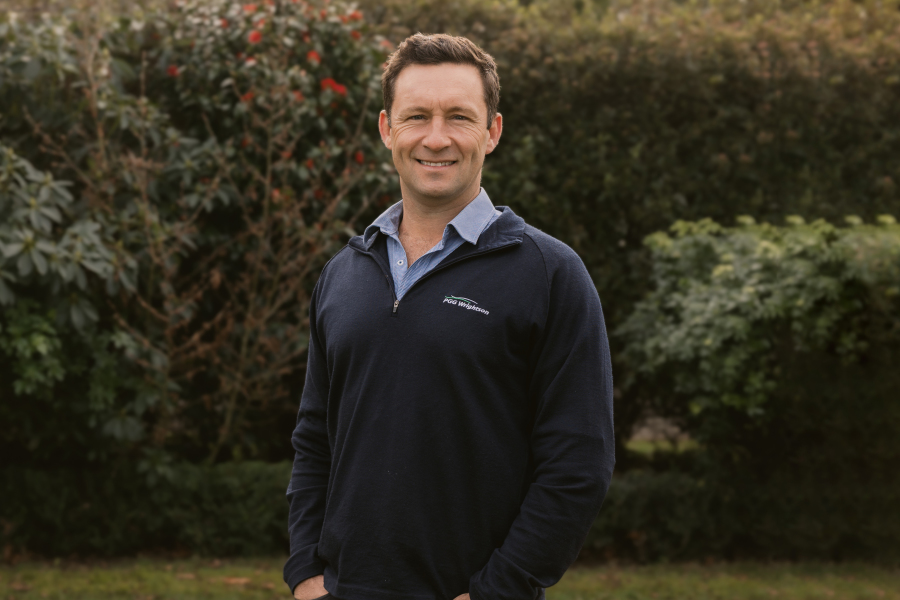 Pictured: Dan van der Salm, Rural and Lifestyle Sales Consultant in Mid/South Canterbury.
According to Dan van der Salm, a Rural and Lifestyle Sales Consultant in Mid/South Canterbury for PGG Wrightson Real Estate, today’s younger buyers are often less anchored to historical land values and more focused on future return on investment.
“Previous generations are well aware of where values have been in the past and trying to comprehend where the new season’s values and prices will be is tough to get their head around,” says Dan.
“Younger buyers are taking more of an ROI view, and then price and value are determined based on current and future markets.”
That shift is becoming increasingly visible across parts of the dairy and sheep and beef sectors, where demand from younger first-farm buyers remains strong despite historically high land prices.
“There is a large list of first-farm buyers and they are happy to consider values where they are supported by banks, as long as the ROI is still strong,” says Dan.
In contrast, he says the arable sector is currently seeing fewer younger buyers entering the market, largely due to different economic pressures and growth opportunities compared to dairy.
A new ROI-driven mindset is reshaping how younger buyers view farm ownership
The changing attitudes are also influencing the type of properties younger buyers are targeting. Rather than starting small and gradually building over decades, many are aiming for larger-scale operations from the outset in order to maximise efficiencies and returns.
“Young buyers are tending toward slightly larger farms than previous generations. Larger farms provide economies of scale, stronger ROI, and greater return on their capital.”
For some younger dairy buyers, this means stretching themselves financially and professionally in the short term to create stronger long-term cashflow.
“Where they can, in the dairy industry for example, they are retaining existing contract milking or sharemilking jobs to help provide stronger cashflow while purchasing a farm.”
While work-life balance and flexibility are often associated with younger generations, Dan says many younger rural buyers are still prepared to work exceptionally hard to achieve their goals.
“We definitely notice that some of the younger generation buyers are very hard working and prepared to put the hard yards in to get ahead.”
In some cases, that means effectively balancing two jobs while building equity and growing a farming operation.
Technology on-farm – a tool for progress, but not the main drawcard
Technology and infrastructure are also playing an increasing role in buyer expectations. Younger buyers are certainly looking for farms with modern systems, quality infrastructure and properties that can support more efficient and scalable operations.
“Higher use of technology, nicer infrastructure and housing all appeal. But ultimately it still comes back to the tried and true of location, soils and water.”
But despite advances in agricultural technology and connectivity, Dan does not believe technology itself is necessarily what is attracting younger people into farming. Instead, he believes passion for the industry remains the driving force.
“Farming is in the blood,” he says.
“Most of the younger generation are in the rural industry because they love farming, love nature, and love the challenges that come with it.”
So rather than being a recruitment tool, Dan sees technology as something helping existing farming businesses evolve, remain competitive and continue improving productivity.
“The technology aspect and growth is more the advancement of existing farms and businesses to keep progressing, keep developing and ultimately keep challenging the mindsets of existing farmers.”

Lenders are more open to first-farm buyers
One of the biggest changes currently influencing the rural property market is the way banks are approaching lending.
“In the current environment the banks are very aggressive and supportive,” he says.
“They are lending money to younger generations where in the past they would have been considered outside the box.”
He believes this reflects not only banks wanting to lend, but also growing confidence in the future of New Zealand’s agricultural sectors.
“It’s a sign that banks want and need to be lending money, but also confidence in the industry that the positivity is here and will remain for a few years.”
Competing with established operators in a high-demand rural market
However, entering the rural property market is still far from easy for younger buyers, particularly when competing against large, established farming businesses with stronger balance sheets and greater buying power.
“The younger buyers are having to compete in the market with established and larger businesses who are using economies of scale to turn large profits and can leverage off this to continue expanding.”
That competition can make it difficult for first-time farm owners to secure opportunities, especially in highly sought-after locations or sectors where demand remains strong.
“This makes it tough for new farm owners to get in,” he says.
“But once they get into the market, they will continue to grow and expand over time.”
From arable to dairy: shifting sector preferences and long-term opportunity
Dan is also seeing movement between farming sectors, particularly from arable into dairy, as buyers and investors pursue stronger returns and growth opportunities.
“There is a strong move from the arable sector to the dairy sector. Corporates are also looking to enter the dairy sector. This is a pure ROI stance – the dairy sector is providing opportunities for strong returns and further growth.”
At the same time, he stresses that well-run arable operations still remain highly competitive and profitable.
“Arable farming done right and done well is still strong, which we can see via the well-established and larger existing or corporate operators still looking to expand.”
Looking ahead, Dan believes younger buyers will continue to play a major role in shaping the future of rural real estate over the next decade. Their ambition, commercial mindset and willingness to adapt are likely to keep driving demand, particularly for quality farming assets.
“I think the younger generation are hungry to grow and hungry to own their own farms, so they will continue to drive this part of the market,” he says.
And despite increasing competition and rising land values, Dan believes opportunity still exists for the next generation of rural buyers willing to back themselves.
“There is enough land and opportunity for everyone to create a legacy of their own.”
One thing he remains certain about is the strength of demand currently flowing through the rural sector, particularly for high-quality farms in desirable locations.
“We are entering a time where we don’t know where the ceiling of land values sits,” says Dan.
“We have seen some really strong values of farms – both dairy, support blocks and arable land that can be converted – all selling above previous historic levels, and the demand is still strong.
”With global markets remaining positive and confidence continuing across key agricultural sectors, Dan believes the market may still have room to grow.
“A good quality and well-located farm might still challenge the record books.”
Whether you’re a first time buyer or been in the property market for a while – it never hurts to have a chat with a professional.
You’ll find our knowledgeable and friendly team nationwide, and they don’t just ‘talk the talk’, they walk it with you. Get in touch today to see what your tomorrow could look like.