

Securing power
Raising money does not appear to be the biggest obstacle in this investment cycle. Technology giants, sovereign wealth funds and infrastructure investors can provide considerable financing. The harder challenge is securing enough electricity, delivering it to the site when needed, and maintaining a reliable round-the-clock supply.
Data centres consumed about 415 terawatt-hours of electricity worldwide in 2024, equivalent to 1.5% of global consumption. The International Energy Agency expects this figure to more than double to approximately 945 terawatt-hours by 2030, slightly more than Japan consumes today.
A share approaching 3% of global electricity use may not seem extraordinary, but data centres are not evenly dispersed. They cluster around locations that offer fibre-optic connections, customers and established cloud-computing networks. Their impact on an individual city, state or electricity grid can therefore be far greater than the global average suggests.
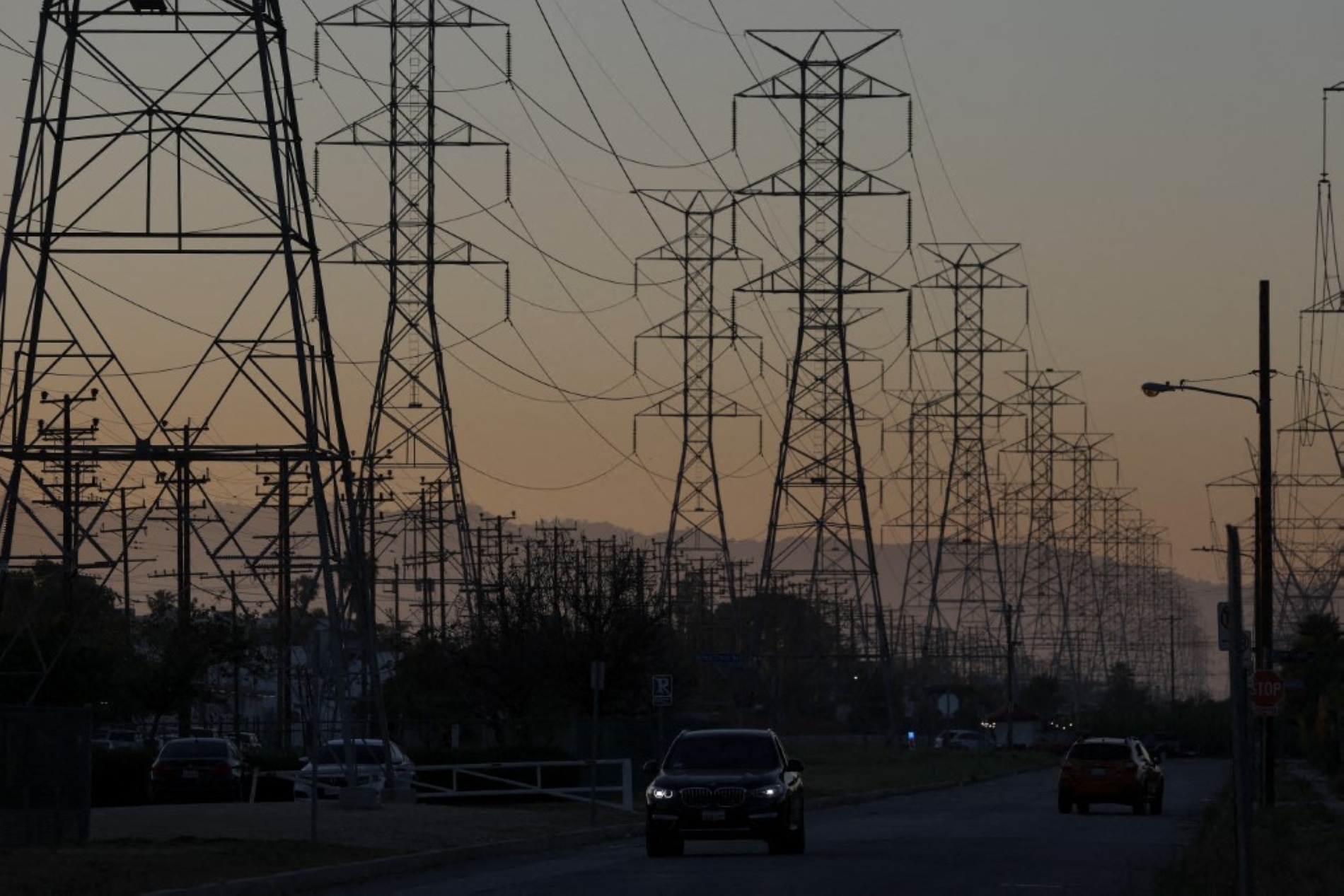
The IEA estimates that about 20% of planned data-centre projects could face delays unless grid bottlenecks are addressed. New transmission lines can take between four and eight years to build in advanced economies, while waiting times for transformers and cables have doubled over the past three years.
The pressure appears particularly acute in the United States. In an update published in June 2026, Lawrence Berkeley National Laboratory estimated that US data centres could consume approximately 649 terawatt-hours in 2030 under its reference case, within a range of 521 to 843 terawatt-hours. That would represent between 9.5 and 15.3% of the country’s total electricity consumption.
Renewable sources are expected to supply nearly half the global increase in electricity used by data centres through 2035, but natural gas and nuclear power will also play important roles. It is not enough for companies to announce that they have purchased an annual amount of clean energy equivalent to their consumption. They need electricity that is physically available at the site throughout the day, supported by transmission networks, substations and cooling systems capable of handling increasingly dense server installations.
The role of semiconductors
A data centre can be constructed within a country’s borders, but its computational heart remains part of a highly concentrated global supply chain. Advanced processor design and manufacturing, lithography equipment, high-bandwidth memory and advanced packaging are distributed among a limited number of companies in the United States, Europe and East Asia.
This creates one of the central paradoxes of the race. A country may possess land, energy and capital, only to discover that its expansion depends on an export decision taken in another capital. Trade restrictions therefore affect more than the price of equipment: they can determine where a data centre is built and whether the project is viable at all.
Under a PwC scenario involving an escalation in US-China restrictions on advanced processors, followed by Chinese controls on certain raw materials, annual global data-centre investment falls to roughly half the central scenario by 2030. It subsequently recovers to some extent as supply chains adjust.
However, the loss is never fully recouped. Cumulative expenditure falls from $31.6tn to $25.5tn, a reduction of about $6tn. The Middle East suffers the largest proportional decline, at 29%, because of its dependence on imported processors and its ambition to attract chip-intensive international AI-training workloads. Asia-Pacific falls from $8.2tn to $6.4tn, while Europe declines from $5.6tn to $4.3tn.
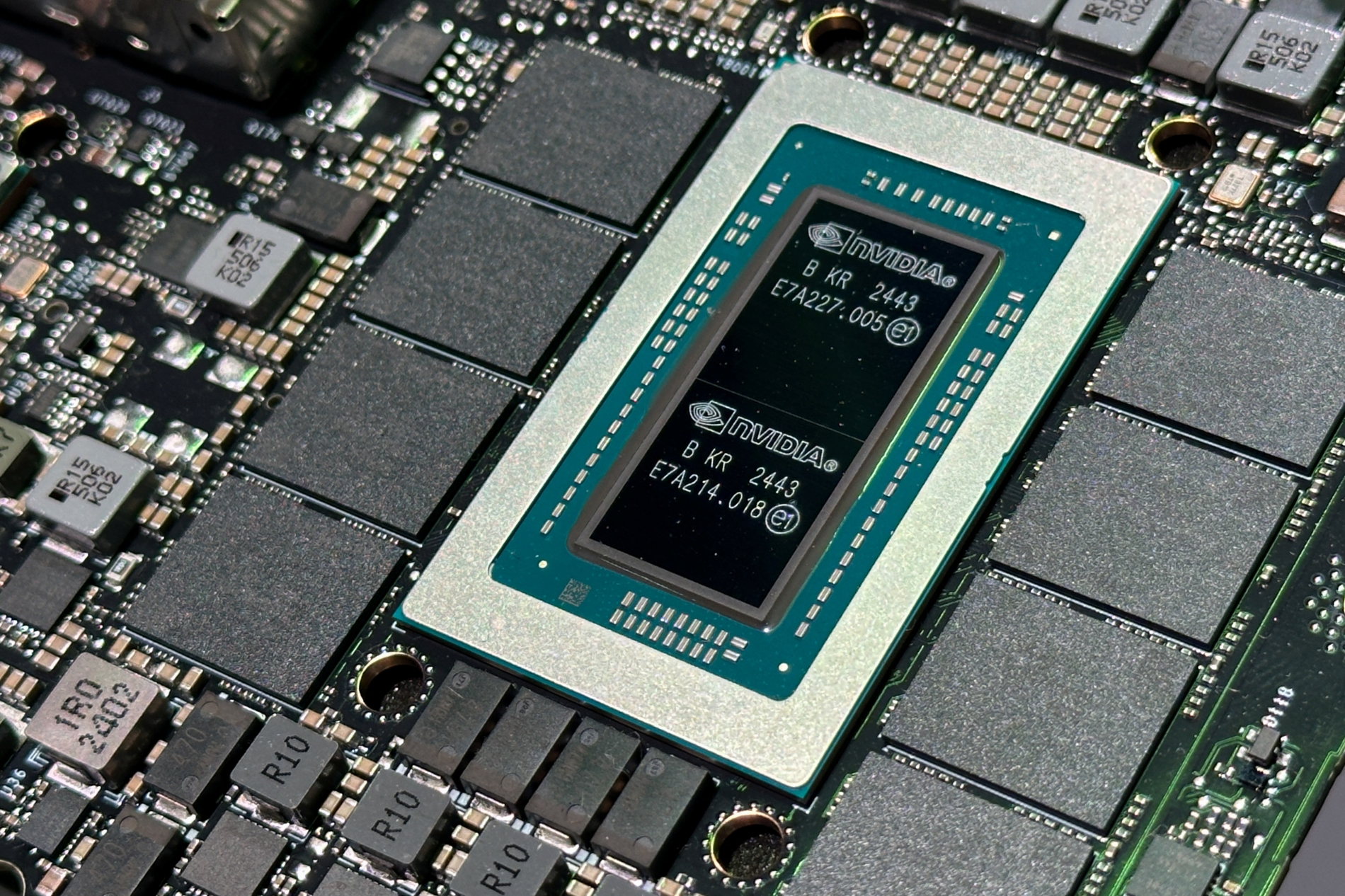
Abundant energy and capital may therefore be insufficient to secure a place in the AI race. Those controlling access to advanced processors effectively gain influence over where the latest computing capacity can be built.
Data exerts pressure in the opposite direction, moving some demand away from large global hubs and towards domestic markets. Training large models does not always need to take place close to the user and can be moved to markets offering cheaper electricity, large sites and better access to processors. Running models on banking, healthcare or government data, however, is more sensitive to privacy, security, latency and sovereignty requirements.
PwC estimates that about 30% of computing workloads already carry local hosting requirements, and that the proportion is rising rapidly. This does not mean that all data-protection laws require domestic storage. European regulations, for example, restrict transfers of personal data abroad and demand legal safeguards, but do not prohibit every transfer. China, meanwhile, requires certain categories of data to be stored domestically by critical information infrastructure operators and organisations exceeding specified thresholds.
Under a scenario in which sovereignty becomes the organising principle, global investment falls by just 6.7%, to $29.5tn, but shifts away from international hubs and towards countries with substantial domestic demand. Asia-Pacific gains 7% and Africa’s share rises by about 12%, while the United States loses approximately $2.9tn in workloads that it might otherwise have hosted on behalf of other markets.
The distinction is fundamental: restrictions on semiconductors reduce or delay investment, whereas data sovereignty redistributes it, albeit at the expense of the economies of scale provided by global hubs.
Gulf advantages
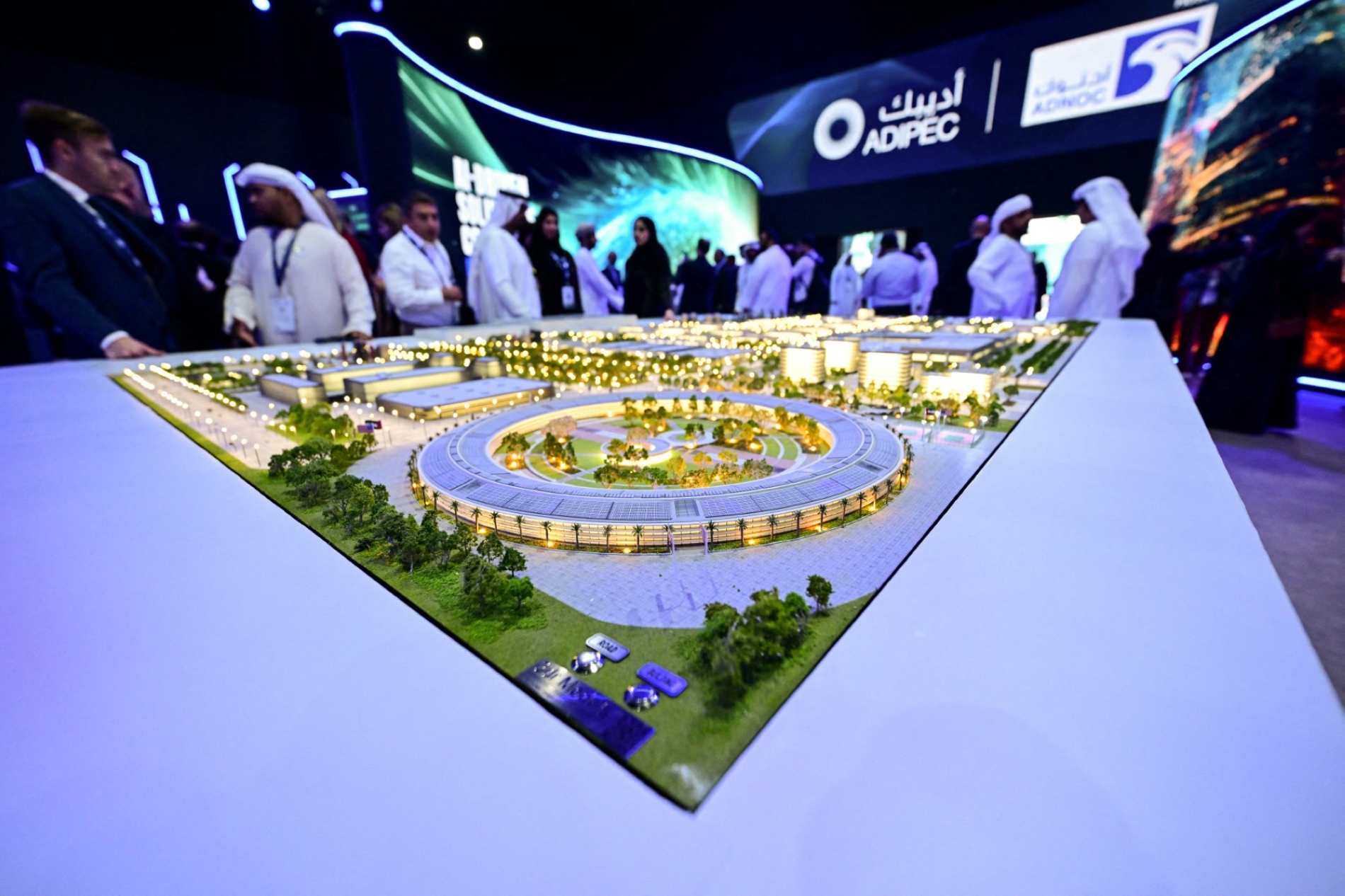
The Gulf possesses three advantages that are difficult to combine elsewhere: capital, energy and the ability to accelerate decision-making. Turning them into a lasting position on the global computing map, however, will require more than constructing enormous facilities and announcing their headline capacity.
Each project must secure additional low-carbon electricity, long-term access to processors, contracted customers, a legal environment capable of accommodating sensitive data and a sufficiently skilled local workforce. Returns should also be measured against the consumption of energy, water and land, as well as the incentives provided, rather than by the project’s announced value alone.
The Gulf’s more durable opportunity may lie in developing a combination of sovereign cloud capacity, Arabic-language inference, and government, banking and healthcare services, rather than relying excessively on attracting internationally mobile model-training operations. Sovereign and regional workloads are more stable and connect data centres to the domestic economy, instead of turning them into stations serving foreign demand that could move elsewhere.