
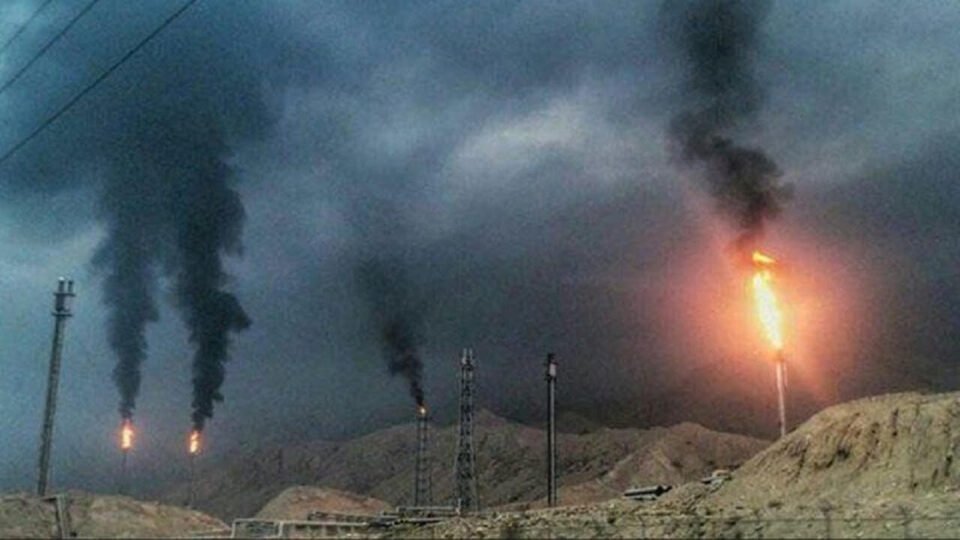
TEHRAN- Any military action targeting Iran’s economic infrastructure, especially its energy heartlands, would not be a localized event; the disruption would extend far beyond Iran’s borders, shaking the economic security of major powers, destabilizing financial markets, and harming ordinary citizens worldwide.
The repercussions of the Zionist-American coalition’s move to destroy Iran’s economic infrastructure will not be confined to Iran’s borders, because by disrupting the global energy supply chain, it will also expose the economic security of great powers to intense shocks.
Targeting the nation’s energy infrastructure, particularly in Asaluyeh and Mahshahr, would cause a profound and unparalleled disruption in the global energy supply process, one that reaches beyond Iran’s frontiers and impacts all energy markets and worldwide production.
A massive portion of Iran’s economy relies on the steel and petrochemical sectors. Some industries are directly dependent on these foundational industries; therefore, an assault on these facilities and the shutdown of their operations could force the entire production cycle in petrochemicals and steel to face a drastic reduction or a complete standstill.
Disruption in these two critical industries does not only have a single direct effect, but creates “an extensive chain of stagnation in middle and downstream industries”, industries that make up a substantial part of domestic output, non-oil exports, and national employment.
Lower exports, a decline in GDP, growing joblessness, falling employment, accelerating inflation, and a spike in the prices of staple goods are the inevitable results of such a scenario—and other nations will also see the smoke from it.
Such attacks harm citizens’ livelihoods. Reduced output, higher costs for raw materials, and diminished access to certain goods are among the consequences that directly affect people’s daily lives.
Given that 20 percent of the world’s oil passes through the Strait of Hormuz, any geopolitical developments in this region influence the global economy. The third imposed war demonstrated that any interruption along this route could quickly raise global oil prices by 30 to 100 percent, figures that several international analysts have also confirmed.
If the wartime conditions persist, insurance premiums for oil tankers and sea transport will also skyrocket, and this will directly affect the economies of European and American countries, which are deeply dependent on energy.
If worldwide energy production is disrupted, financial markets will rapidly become unstable. A fall in the value of gold, the dollar, bonds, and a collapse of stock exchanges in Europe and the US are among the likely consequences of such a situation.
Major energy consumers in the East and West have not remained unaffected by such energy shocks so far. Under these circumstances, rising global inflation, reduced output, and financial instability are not unexpected.
We must accept this reality: the world is profoundly dependent on the energy flow from the West Asia region, especially the Persian Gulf.
In an era of globalized trade and just-in-time supply chains, no major economy is an island. A deliberate strike on Iran’s energy infrastructure would trigger a chain reaction of volatility—from skyrocketing oil prices and maritime insurance to stock market crashes and rising unemployment across continents. Policymakers in Washington, Brussels, and beyond must recognize that such a move would not weaken only Iran; it would inflict severe collateral damage on their own economies and on global stability. The rational path forward is de-escalation and diplomatic engagement, not military adventurism with unpredictable and far-reaching consequences.