
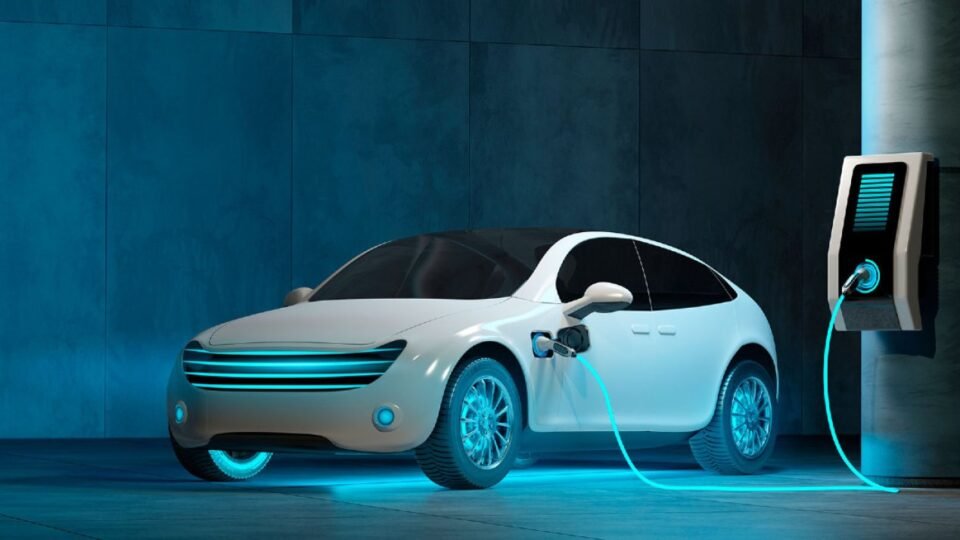
Mexico’s EV market continues to expand. According to Electromobility Association (EMA), cumulative sales of electric vehicles, plug-in hybrids, and range-extended electric vehicles reached 235,501 units in 1Q26.
Despite this growth, the latest EMA consumer survey identified charging infrastructure as the country’s main barrier to wider EV adoption. In 2025, 29% of respondents cited difficulty finding fast-charging stations as the primary reason for not purchasing an electric vehicle; in 2026, the figure remained high at 26%.
The second-largest concern was insufficient vehicle range. In 2025, 28% of respondents pointed to limited autonomy as a barrier, while 26% expressed the same concern in 2026. Range anxiety also increased from 20% in 2025 to 24% in 2026.
“Among the main reasons for not choosing an electric vehicle are concerns about the speed of charging infrastructure, vehicle efficiency and range anxiety, meaning fear of running out of battery during a trip,” said Eugenio Grandio, president, EMA.
The survey also found that charging times remain an unresolved issue. Ten percent of respondents in both 2025 and 2026 said charging sessions still take too long. Concerns related to installation costs remained limited, falling from 2% in 2025 to 1% in 2026.
Infrastructure gaps are more visible outside Mexico’s largest urban centers. According to EMA, five out of ten EV users reported insufficient charging stations in cities such as Acapulco, Queretaro, Guadalajara, Puebla, and Cuernavaca. Although most EV owners charge their vehicles at home, the lack of public charging infrastructure continues to limit intercity mobility.
“Another important issue is the installation process for home chargers, since 45% reported no problems, while others experienced issues related to permits, informal settlements, and complications connecting to the electrical grid,” Grandio said.
EMA data shows Mexico had 59,602 charging positions nationwide by the end of 1Q26, including 4,378 public charging points and more than 55,000 private charging points. Most charging infrastructure remains concentrated in private residential and corporate networks rather than public fast-charging corridors.
The association also noted that the market continues to grow despite operational limitations. Sales of electric and plug-in hybrid vehicles increased 38% in 2025, while 95% of EV users reported satisfaction with their vehicles and nine out of ten said they would purchase another electrified model.
Cristina Vázquez of the Asociación Mexicana de Distribuidores de Automotores (AMDA) said Mexico City, the State of Mexico, Nuevo Leon, and Jalisco account for 58% of national EV sales, concentrating demand in major urban markets. Companies providing chargers and installation services are prioritizing these corridors as EV adoption expands.
EMA described the trend as a “virtuous cycle,” where rising EV sales drive charging infrastructure growth, which in turn supports higher adoption: “More cars generate more chargers, and more chargers generate more cars,” said Grandio.
At the same time, industry participants warned that Mexico continues to face competition from imported electric vehicles, particularly from Chinese manufacturers. Grandio said Chinese automakers are pursuing a strategy focused on replacing combustion vehicles through lower-cost EV offerings and stronger industrial positioning.
Mexico is also moving forward with plans to launch the Olinia electric vehicle prototype on June 7 under Plan México. President Claudia Sheinbaum presented the project at Palacio Nacional as part of the federal government’s strategy to establish a domestic EV industry and reduce dependence on imported electric vehicles.
Production is scheduled to begin in 2027 with an initial capacity of 20,000 units annually and a target of 50,000 vehicles within four years. The project is also seeking MX$200 million (US$11.25 million) in private investment to scale manufacturing and reach annual sales of 100,000 units.
EMA also reported that electrified mobility generated measurable environmental benefits during 1Q26. Electric vehicles, plug-in hybrids, and range-extended models sold during the period are projected to avoid 12,638 tons of CO₂ equivalent emissions annually, while zero-emission ride-hailing trips contributed more than 33.3 million kilometers of emissions-free travel.
Mexico recorded 96,636 electrified vehicle sales in 2025, while electric and hybrid models accounted for 9.5% of all new vehicle sales, according to EMA.