
Celebrating 50 years of establishment and growth, Gamuda Berhad – one of Malaysia’s leading infrastructure and urban development groups – has evolved from an infrastructure specialist into an integrated urban developer with a growing presence across Asia.
The year 2026 marks the 50th anniversary of Gamuda Berhad. Founded in Malaysia in 1976, the group began its journey in engineering and large-scale infrastructure development before expanding into urban development, creating integrated communities and sustainable living environments across the region.

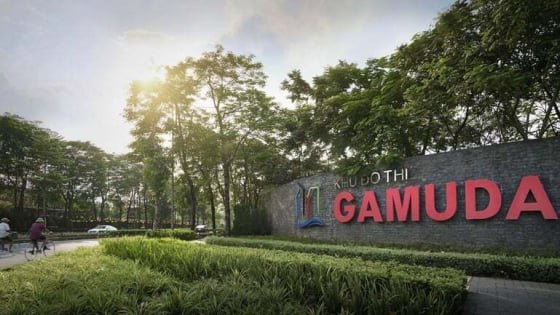
A view of Gamuda Land urban complex. Photo courtey of the company.
Industry experts believe that Gamuda Berhad’s five-decade journey reflects the transformation of traditional infrastructure companies into integrated urban developers – where businesses go beyond constructing projects to shaping communities, lifestyles, and long-term urban ecosystems.
As Asia continues to experience rapid urbanization, developers with strong infrastructure foundations, planning capabilities, and long-term visions are becoming increasingly important in shaping modern and sustainable cities.
From infrastructure expertise to integrated urban development
Established in 1976, Gamuda Berhad initially focused on engineering and large-scale infrastructure projects. According to industry observers, this infrastructure foundation has become a distinctive advantage, shaping the group’s approach to urban development.

A view of Gamuda Land urban complex. Photo courtey of the company.
Unlike conventional real estate development that focuses mainly on individual housing products, infrastructure-led developers tend to take a more holistic approach by integrating transport connectivity, public spaces, landscapes, community facilities, and long-term operations.
This reflects the growing global trend of “city-making”, where urban development is no longer simply about buildings but about creating complete ecosystems that support sustainable communities.
Urban planning experts note that a sustainable city requires alignment between infrastructure, spatial planning, environmental quality, and the needs of residents.
Over the past decades, Gamuda Berhad has expanded its presence across Asia through major infrastructure and urban development projects. Alongside Malaysia, Vietnam has become one of the group’s strategic markets with long-term growth potential.
Gamuda Land expands its urban footprint in Vietnam
As a member of Gamuda Berhad – a group celebrating its 50th anniversary in 2026 – Gamuda Land continues to strengthen its presence in Vietnam with 10 projects across Hanoi, Hai Phong, Ho Chi Minh City, and Dong Nai.
Its diversified portfolio, ranging from large-scale townships to residential developments, reflects Gamuda Land’s long-term commitment and sustainable growth strategy in Vietnam.

Residents in a Gamuda Land urban complex. Photo courtey of the company.
In late 2026, Gamuda Land plans to introduce three strategic projects – Central Park in Hanoi, and ANesta and Norton Park in Binh Duong (now part of Ho Chi Minh City) – further expanding its presence in key growth areas across northern and southern Vietnam.
Central Park is positioned as a strategic development in Hanoi, targeting the mid-end segment with an integrated urban model combining residential spaces, commercial areas, and comprehensive amenities.
Located within Gamuda City – a township spanning more than 270 hectares in southern Hanoi – the project will feature three residential towers with over 2,600 apartments, offering residents a modern lifestyle connected with green spaces and urban conveniences.
In southern Vietnam, ANesta is designed as a contemporary living destination for younger residents, balancing urban connectivity with everyday comfort. Located near key transport links including Tan Van Interchange, Ring Road 3, and regional metro connections, the project comprises 761 mid-end apartments, catering to increasing housing demand in eastern Ho Chi Minh City and neighboring areas.
Meanwhile, Norton Park is positioned as a premium residential development serving international professionals in northern Ho Chi Minh City. Located in the FDI hub of Thuan Giao, the project spans 7.9 hectares with low-density planning, international-standard amenities, and more than 1,200 premium apartments together with commercial units. Surrounded by green landscapes, the development aims to deliver a balanced lifestyle combining work, relaxation, and community experiences.
According to Gamuda Land, Vietnam remains a key strategic market due to its strong urbanization momentum, growing demand for quality housing, and long-term economic prospects. Market observers believe the company’s continued expansion demonstrates its confidence in Vietnam’s potential, particularly in emerging areas where integrated and green urban models are gaining momentum.
The future of sustainable urban development
Experts believe Vietnam’s real estate market is entering a new phase, where urban quality, sustainability, and community value will become increasingly important alongside economic growth.

Inside a Gamuda Land urban complex. Photo courtey of the company.
This requires developers to adopt longer-term approaches to planning, infrastructure, environmental responsibility, and community development.
Many international developers are shifting from traditional real estate models toward comprehensive living ecosystems, with greater emphasis on green spaces, community amenities, and long-term management.
This is also the direction Gamuda Land continues to pursue in Vietnam. As urbanization accelerates, projects built with long-term vision and sustainable strategies are expected to play a key role in shaping Vietnam’s future urban landscape.