
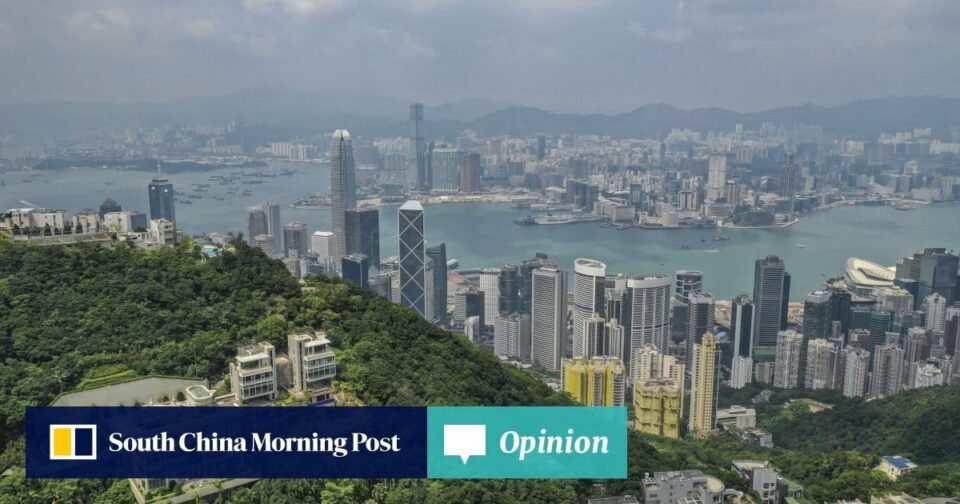
Every quarter, Knight Frank publishes a report on luxury residential transactions – sales of homes worth US$10 million or more – in 12 leading markets around the world. In the final quarter of last year, Hong Kong was the second most actively traded market after Dubai, recording 81 deals with a total value of US$1.5 billion.
For 2025 as a whole, Hong Kong was the fourth most widely traded market, ahead of London, which topped the ranking in 2022. Hong Kong’s strong performance is mostly attributable to the surge in investment by mainland Chinese buyers, a trend that is accelerating.
According to Midland Realty, the number and volume of residential transactions involving mainland buyers last quarter rose 52 per cent and 93 per cent respectively in annualised terms to record highs. In the two years following the removal of property cooling measures in February 2024, mainland purchasers accounted for 72 per cent of new home sales above HK$50 million (US$6.4 million), 66 per cent of transactions in the HK$20-50 million price bracket, and 55 per cent in the HK$10-20 million range.
CBRE believes the impact of the recent increase in stamp duty on luxury homes worth more than HK$100 million will be fairly muted. More potent forces are driving investment in Hong Kong’s housing market. The combination of the stronger yuan, the start of a more durable recovery in prices, higher rental yields and the government’s talent-attraction policies has made investing in the city more appealing to wealthy mainland buyers.
However, Hong Kong is not the only market in the Asia-Pacific that figures prominently in Knight Frank’s compilation of “super-prime” residential transactions. Last quarter, Sydney was the fifth most actively traded market, recording a sharp increase in the number and volume of transactions.
In Singapore, sales of luxury homes in the core central region – the segment of the market most affected by the doubling of additional stamp duty for foreigners buying any residential property to a staggering 60 per cent – have risen sharply in the past three quarters amid strong demand from wealthy Singaporeans. According to Realion Group, Singaporean citizens and permanent residents accounted for more than 90 per cent of luxury transactions last quarter.