
Politicians and landholders in southern New South Wales are vowing to fight a controversial new law that will allow the inundation of private property from environmental water flows under the Murray-Darling Basin Plan.
The Water Management Amendment (Easements for Inundation) Bill was passed by the New South Wales parliament on Thursday, despite attempts to have it amended and referred to an inquiry.
Environmental flows are an integral part of the basin plan and aim to provide water to support ecosystems throughout the Murray-Darling.
NSW has obligations under the plan to deliver environmental water, but has been hamstrung by constraints that limit the release amount, such as low-level bridges and river capacity.
The NSW government said the legislation would allow water to flow into areas in need, such as the internationally protected Gwydir wetlands.
Independent Murray MP Helen Dalton has described the bill as an attack on private property rights.
“I ask the people of Sydney and the major cities to imagine if this principle was applied to them, ” she told parliament this week.
“Imagine if the government could decide to deliberately flood your suburban street, apartment block or family home — I am sure there is an environment there, somewhere — and you had no right to stop it, no right to proper consultation and no guarantee of compensation.
“Australians would never tolerate that in metropolitan areas.”
‘No compensation’ for easements
The creation of easements allows the government to legally flood parts of private properties, restricting landholders’ use of their own land.
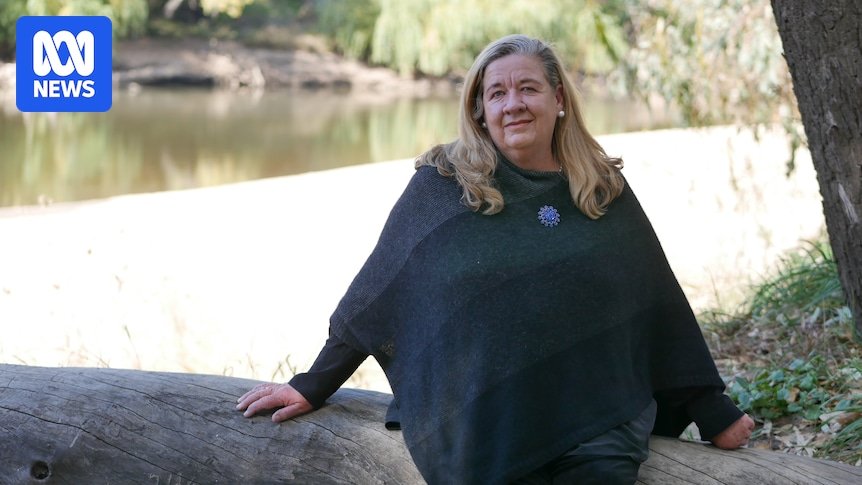
Deb Blackwell is a grazier at Mundarlo, a small community on the Murrumbidgee River east of Wagga Wagga.
Deb Blackwell is concerned about how the bill will impact landholders’ mental health. (ABC News: Cara Jeffery)
She has been in negotiations with the state government about how the flows will pass through her property for two years, including compensation for when her land is underwater and unusable.
“We have made it very clear to the government that we do not object to the flow of environmental water, but we have always objected to the imposition of easements on our land,” she said.
“So, in the middle of negotiations for compensation, they have now imposed legislation where easements will come, and no compensation will follow.
“It is the worst outcome that is possibly imaginable.”
Accountability bill flagged
Following the passing of the bill, Ms Dalton, alongside federal One Nation Farrer MP David Farley, said she would look to draft further legislation to protect landholders.
David Farley and Helen Dalton have spoken out against the new law. (Supplied: Facebook, Helen Dalton MP)
“Because this is happening in rural and regional Australia, the government thinks no one will notice, but we are not going to stay quiet about it,” she said.
“These government floods should not be able to override rights without proper consultation.
“I’m going to introduce a bill to try to have some accountability.”
Mr Farley said the state’s farmland was part of the nation’s sovereign security.
“It’s up to a government to manage the sovereignty of the nation, and food and the assets that produce food are critical to it,” he said.
“What NSW has demonstrated is that it’s taking away that resilience and that right.”
‘Good faith’ flows
NSW Water Minister Rose Jackson introduced the bill to parliament and said the delivery of environmental water had been a longstanding function of the state’s water authority.
“WaterNSW is currently limiting the release of environmental water in situations where flows would pass over private land due to liability concerns,” she said.
Ms Jackson said the bill would help ensure environmental water reaches its intended destination, and it was not about giving WaterNSW the power to inundate land without regard to landholders.
“This is about enabling WaterNSW to continue to do what it has been required to do for many years; make environmental water and other water deliveries in good faith.
“The amendments in the bill do not alter or diminish good faith requirements under the Water Management Act in any way, and they will not affect a landholder’s ability to commence civil proceedings in tort against WaterNSW if they do not make water releases in good faith.”
Ms Blackwell said she now held grave fears for the mental health of local landholders.
“The river land is our most valuable land, it’s our most productive land,” she said.
“There’s so many levels of deception in this matter that it is honestly almost going to be a matter for the High Court.”