
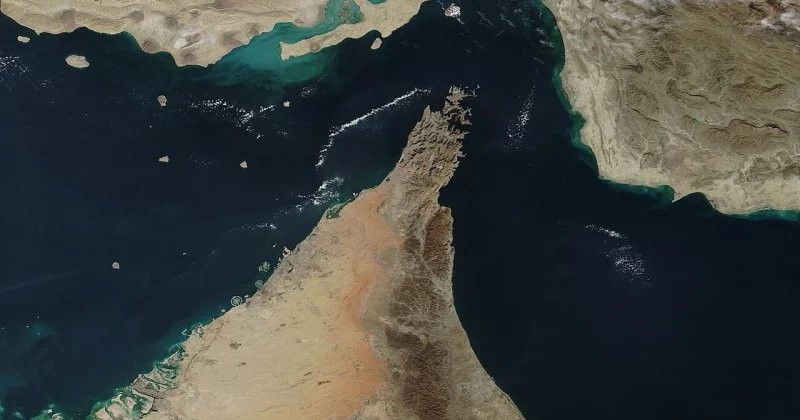
The US Treasury just put the global shipping industry, and anyone touching digital assets, on notice. Payments made to Iran for safe passage through the Strait of Hormuz carry significant sanctions risk, regardless of how those payments are structured.
The Office of Foreign Assets Control issued the alert on May 1, 2026, covering a surprisingly broad menu of payment types: fiat currency, digital assets, offsets, informal swaps, and even charitable donations to organizations like the Iranian Red Crescent Society or Bonyad Mostazafan. In English: it doesn’t matter if you pay in Bitcoin, barrels of oil, or donations to a foundation. If the money ends up supporting the Iranian regime’s toll system, you’ve got a problem.
What Iran is charging and who’s paying
The backdrop here is that Iran, operating through the Islamic Revolutionary Guard Corps, has been imposing transit tolls on vessels passing through the Strait of Hormuz. The fees reportedly run approximately $1 per barrel of oil, which can translate to up to $2 million per vessel.
These payments appear to have started flowing as early as mid-March 2026, with IRGC-affiliated intermediaries collecting fees from shippers navigating the strait.
The crypto angle matters more than you think
OFAC’s decision to explicitly name digital assets in the alert is significant. Reports from April 2026 indicated that some transit payments were already being processed in digital currencies.
The alert makes clear that this workaround won’t fly. US persons are generally prohibited from making these transactions entirely. Non-US persons aren’t off the hook either. They face secondary sanctions, which could restrict their access to the US financial system.
Alongside the passage alert, OFAC sanctioned three Iranian foreign currency exchange houses that had been converting oil revenues. That’s a direct strike at the financial infrastructure supporting these toll collections.
What this means for crypto markets and compliance
For anyone operating in the digital asset space, the implications cut several ways.
First, the compliance burden just increased. Maritime operators, commodity traders, and their banking partners now need heightened due diligence on Hormuz transit counter-parties and associated fees. That due diligence extends to crypto wallets and exchanges that might be processing payments linked to Iranian intermediaries.
Second, exchanges with exposure to Iranian users or Iranian-linked digital asset flows face heightened scrutiny. Secondary sanctions mean that even non-US platforms could find themselves cut off from dollar-denominated markets if they’re caught facilitating these payments.