
Bessemer Venture Partners leads fal.ai’s Series F to fuel the inference layer and generative media stack.
People spend most of their screen time on images and video, and video dominates that traffic. Until recently, creating that content meant pointing a camera at something or paying someone to render it. Now, it means calling on an API, and most of the generative media world is calling on fal’s.
Generative media is becoming one of AI’s largest markets. The last big shift in how images and video were made, from hand-drawn cels to CGI, took decades. This one is happening in just a few years. As model capabilities improve, production costs collapse, volume explodes, and creators experience the same step change AI coding gave developers. Real-time ad creatives, interactive video, product imagery, game assets, music and voice, avatars, video editing: each of these is now a fast-growing AI market, and most barely existed when we first invested in fal’s Series B two years ago.
We’ve backed fal in every round since, and today we’re excited to lead its Series F.
Media is a different infrastructure problem than text. LLMs produce one token at a time. Image and video models refine a whole frame over many passes, so they need memory, compute, and latency handled differently. The same serving stacks built for LLMs don’t carry over. fal has spent years on this exact problem, all the way down to the kernel. The result is infrastructure built for real-time generation at scale with low latency, low cost, and high throughput.
fal is also a two-sided ecosystem: developers get access to thousands of models through a single API, and labs leverage fal for distribution and serverless infrastructure. Many of the world’s largest companies, like Adobe, Canva, Shopify, World Labs, Amazon, and more, have moved production volume to fal.
The most impressive thing about fal is how fast the company moves to meet the demands of this moment. In just two years, fal has evolved from an inference engine to the full stack: the workflow tools creators build with, the API that reaches hundreds of models, the custom infrastructure enterprises run their own weights on, and now post-trained model development alongside the labs.
Just this August, fal moved from serving models to improving them. fal Research released H3 Max, a post-trained version of MiniMax H3 with the serving path designed together with the model. It immediately topped all major arenas and leaderboards. And that was just the beginning. Last week, fal Research partnered with Black Forest Labs on Flux 3 Max, and enterprises can commission post-trained versions of models exclusively on fal.
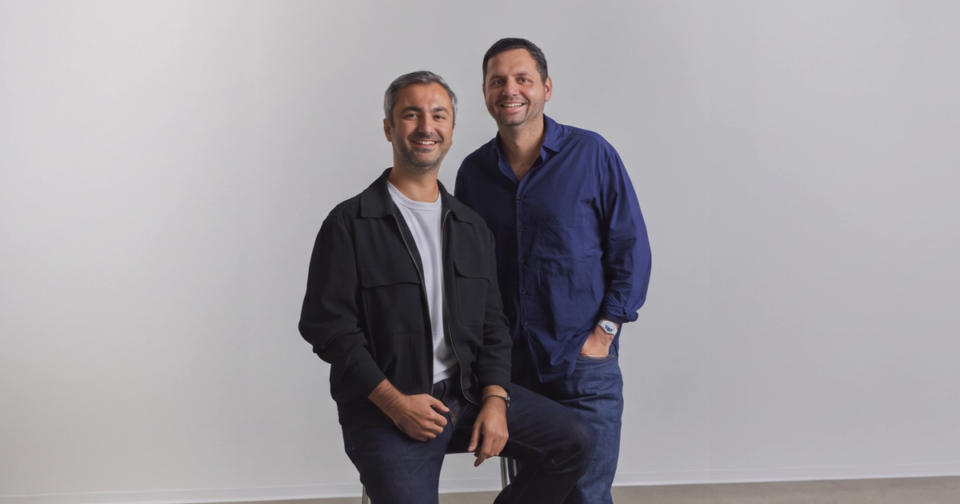
None of this happens without the team. Talia has known Burkay and Gorkem for over a decade, and not much has changed about their mission. They’re obsessed with expanding human creativity, ruthless about performance, close to developers, and always moving fast.
Every category produces a company that defines it. In generative media, that company is fal. We’re thrilled to continue this journey with the team. If you’re building on generative media, see the latest from fal or join their team.