
CoreWeave (NASDAQ: CRWV) caused a panic in the neocloud trade after the yields on some of its bonds reached 15%. The high interest rates that investors are demanding to hold the company’s current debt mean that it will be a lot more expensive for CoreWeave to borrow additional money for its future artificial intelligence (AI) infrastructure needs.
The neocloud provider’s yields for bonds with 2032 maturity dates have been surging throughout the year. That reflects concerns about how much capital it will need to fund the AI data center build-outs, but this is actually more of a CoreWeave problem than a neocloud issue. Here’s why I have been aggressively buying neocloud stocks amid the misunderstanding.
Missed Nvidia in 2009? This Rare Signal Is Flashing Again. In 2009, a “Double Down” signal flashed for a little-known chipmaker called Nvidia. For the first time in years, that same “Total Conviction” signal is flashing for a company 1/100th the size of Nvidia. Continue »

CoreWeave has a different business model
When people think about neocloud stocks, they often think of CoreWeave, Nebius (NASDAQ: NBIS), and Iren (NASDAQ: IREN). Iren remains my favorite despite its lackluster year-to-date performance, and it shares many similarities with Nebius. However, there are key differences between those two and CoreWeave.
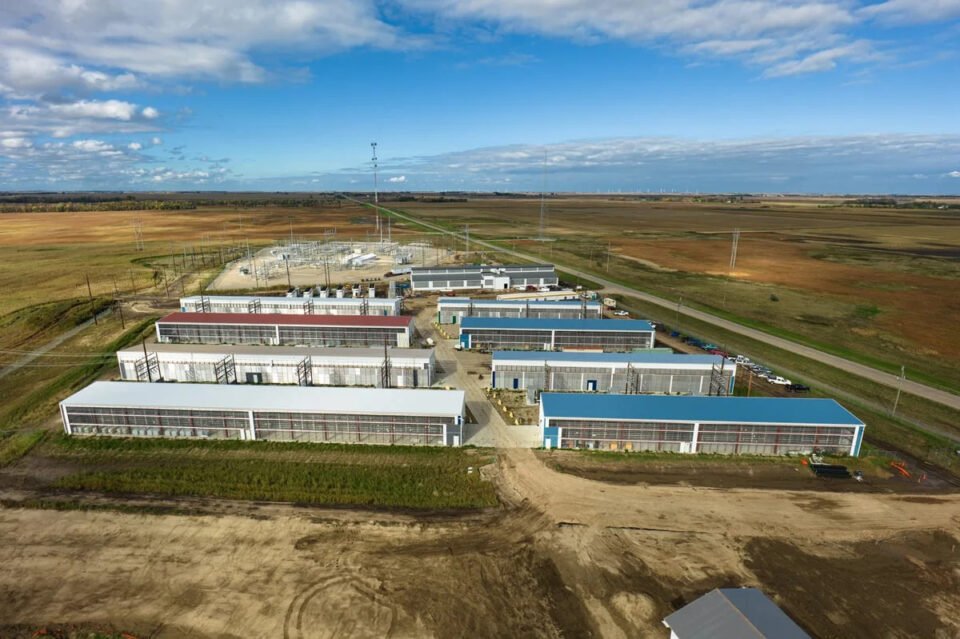
CoreWeave doesn’t own all of its data centers. It uses a leasing model and brings its GPUs to prebuilt data centers. That means CoreWeave does not own the land or power for these facilities. As its land and power costs go up, it will face margin pressure. Granted, the value of each megawatt of compute it offers may continue to climb, which would mitigate its rising costs, but those costs are problems Nebius and Iren don’t have to worry about.
Those two companies have made a point of owning their land and power. That helps them keep costs low as revenue increases. It also gives them additional funding sources. Iren and Nebius can eventually borrow against their data centers to get low-rate loans if needed; CoreWeave doesn’t have that option. All three companies also use GPU-based financing to essentially borrow against the AI chips they buy.
CoreWeave’s balance sheet is filled with risk
CoreWeave’s revenue more than doubled year over year to $2.58 billion in the second quarter, but that impressive growth rate hides some serious financial risks. For instance, the company has $5.5 billion in cash against $20.9 billion in total current liabilities. Its net losses also more than doubled year over year.