
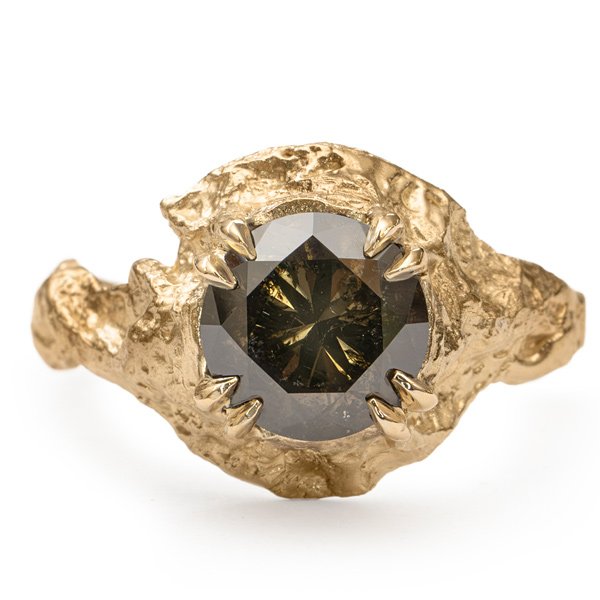
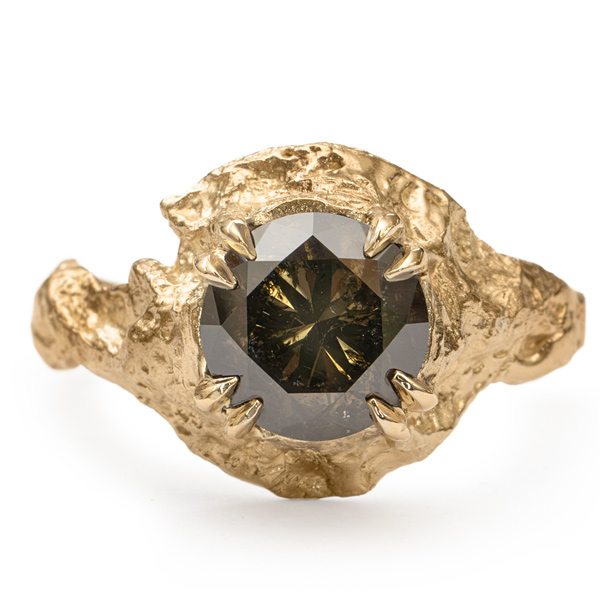
For some designers, tactile jewelry is not just a trend—it’s foundational to their work.
Melbourne-based Alicia Hannah Naomi is one such designer. Drawing inspiration from the erosion, decay, and slow transformation of organic matter, she creates jewels that highlight the raw beauty of precious metals and unconventional gemstones.
Below, Naomi discusses what led to her establishing her own jewelry brand, how textured jewelry has been gaining in popularity, and why she believes it resonates universally.
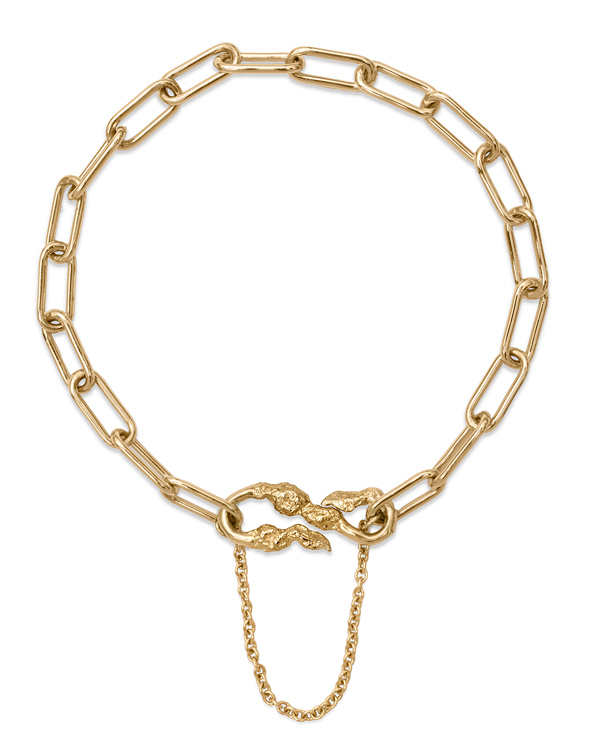
Briefly, share how you got your start in jewelry design.
My first job in jewelry retail was at 19, in a small store owned and run by two brothers who were also goldsmiths. They carried their own contemporary collection alongside other independent makers, and for the first time I realized jewelry could carry the marks of a hand—there was an artistic roughness, a deliberate imperfection that felt genuinely human. Years later, I returned to school full-time to study jewelry and object design, and to explore the medium as both an artist and a collector.
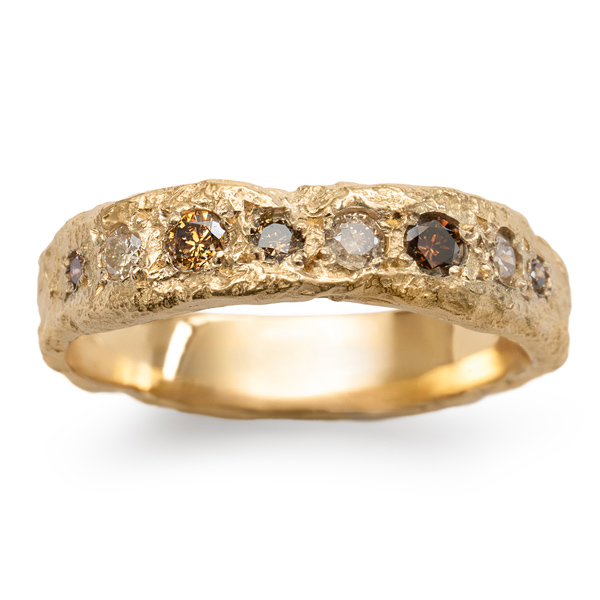
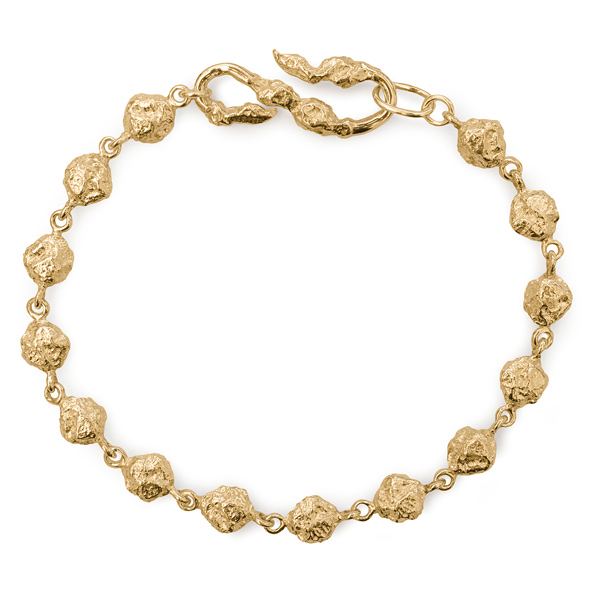
Have you observed a growing awareness of textured jewelry among customers? Are certain styles resonating more than others?
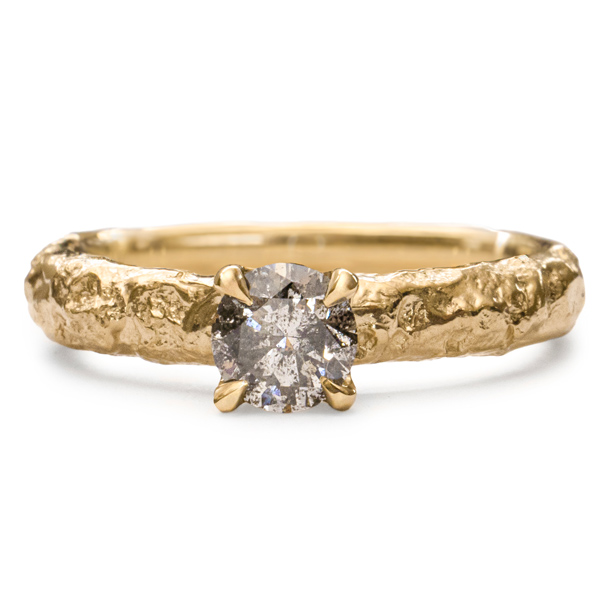
I’ve specialized in alternative wedding and engagement jewelry for nearly a decade, but in the past three years there’s been a noticeable increase in demand for what I’d call a “ruggedly romantic” style. I found my niche early and built a strong community of collectors drawn to this aesthetic, but what’s exciting now is connecting with new clients who are actively seeking out texture. Asymmetrically set center stones have always resonated—they help reinforce the idea that the wearer exists outside of convention.
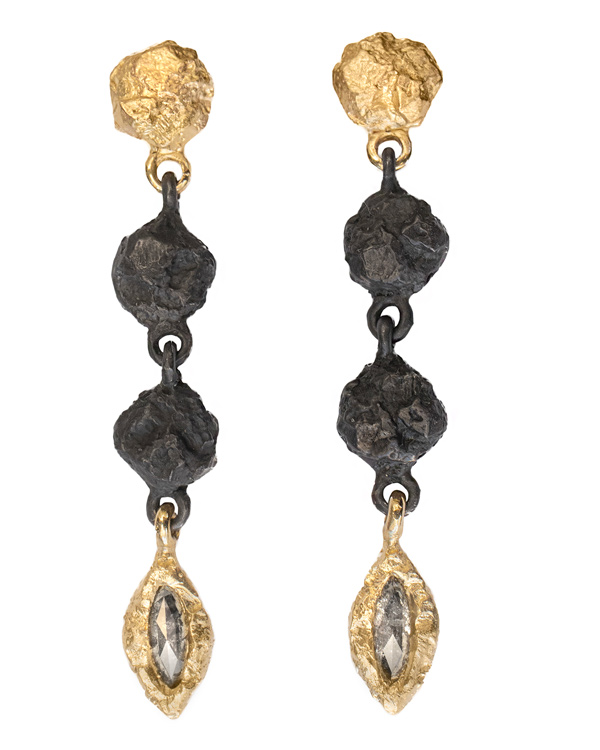
Has the high price of gold influenced your material choices or product development?
In an interesting way, yes. I’ve been working more in 14k gold, which isn’t traditionally common in Australia—we typically follow British standards of 9k and 18k. Before COVID, 14k was difficult to source locally, but rising gold prices encouraged suppliers to offer it more readily, and my clients have embraced it. It strikes a balance in color and durability, and has opened up new conversations around value and longevity.
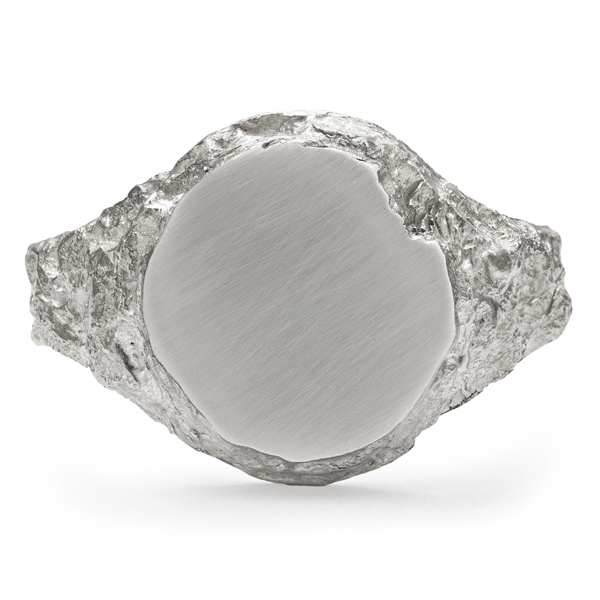
How long does it typically take you to create a single piece?
Usually longer than people expect. Lost-wax casting is my primary method, and most design decisions happen during the wax-carving stage. I’m very particular about detail—a single-stone ring can take three to four hours to carve from scratch, longer for more complex pieces. With asymmetry, balance has to be precise, so it feels intentional rather than accidental. Including casting, finishing, and stone setting, most pieces take around three to four weeks to complete.
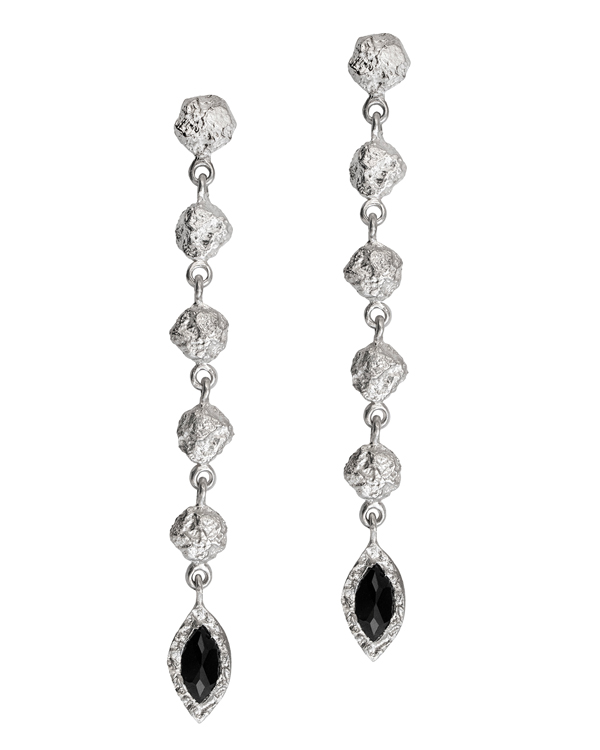
Who are your retail partners in the U.S., and do you notice differences in demand by country?
I currently have one U.S. stockist, Fiat Lux in San Francisco, and I’m open to expanding further. The U.S. is my second-largest market after Australia, and interestingly, the differences in demand are minimal. Social media has globalized taste; clients in both regions tend to find me for the same reasons and are drawn to similar designs. That said, the U.S. market leans slightly toward higher-karat gold and larger stones, even with rising prices.
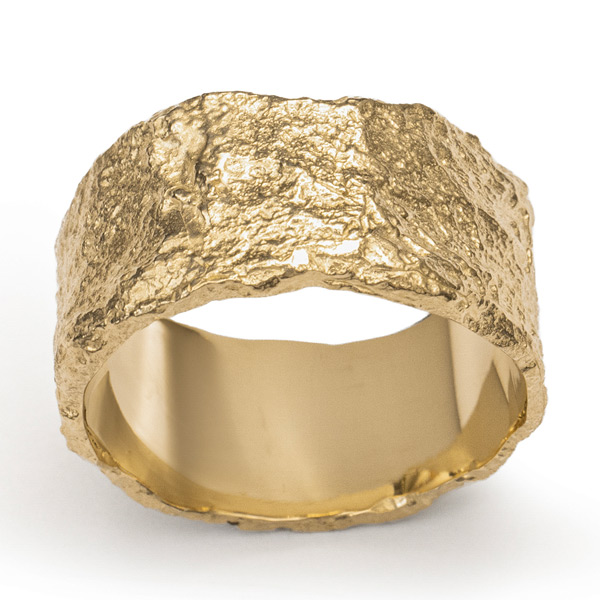
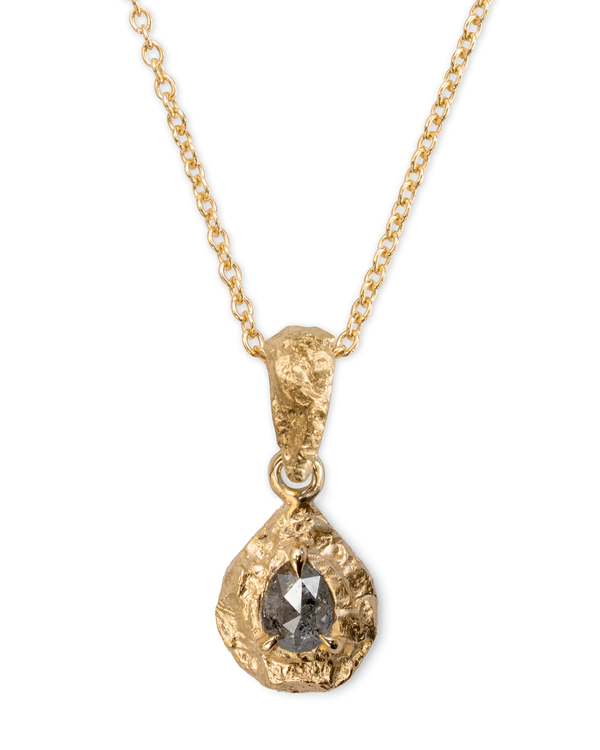
What’s next for your brand?
I’m seeing a growing interest in warmer-toned diamonds—browns, oranges, even greenish hues—and I’m incorporating those into a new collection paired with more sculptural forms. I like to contrast them with clean, sharp claws or polished bezels to emphasize that every detail is intentional. Beyond the work itself, I’m focused on reaching collectors who may not have considered textured jewelry before. I truly believe texture is for everyone.
Top: Aurora ring in 18k yellow gold with rustic olive diamond, price on request; Alicia Hannah Naomi