
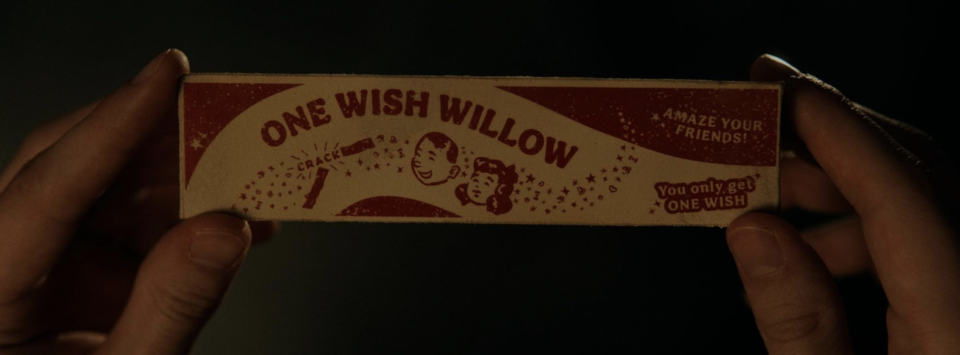
In a year where the box office numbers continue to thrive at their greatest since 2019, Obsession comes to an end with its theatrical rollout being one of the year’s most unquestionable hits. With a budget of just $750,000, Obsession concludes its theatrical run with a global box office intake north of $475 million. The critically acclaimed picture has solidified its status as one of the most financially successful original pictures of all time. As a pop cultural phenomenon, this has drawn many people into film spaces to question its chances at Awards Season, specifically for nominations at the 99th Academy Awards. There are various opinions and takes across film and awards spaces on the Horror film’s prospects. Still, most would come to the consensus that Obsession is in the race for a nomination in Best Picture, Indie Narrative (whether she’s in Supporting Actress or Lead Actress), and Original Screenplay.
However, if there is one category that has me curious, as I don’t believe it is being taken seriously enough, it is Best Director for Curry Barker. As much of a swing as that is to consider for such a prestigious award, there is a case to be made for why Curry Barker should be considered more for a nomination for Best Director.
For a case like Best Director for Curry Barker, some elements need to be addressed as to what could be the holdback for some with this consideration. First, there is no getting around the fact that Obsession is an authentic supernatural horror picture. For decades, there has been justified speculation that the Academy Awards have had a bias towards horror films, especially in above-the-line categories like Acting, Screenwriting, Picture, and, yes, Best Director. Over the years, fewer than 10 Directors have received a Best Director nomination in the horror genre (including Alfred Hitchcock for Psycho, Jonathan Demme for The Silence Of The Lambs, and Jordan Peele for Get Out). Whether it’s continuous or unconscious, there is no denying that horror has often received the short end of mainstream genres in this category, let alone above the line. But if we take a closer look at the Academy’s recent years, it’s safe to say that the genre has taken some great strides in its recognition across the board. At the 97th Academy Awards, The Substance was recognized with five nominations, including Best Picture and Best Director (Coralie Fargeat), with Noseratu showing up in various tech categories including Cinematography. Ryan Coogler’s Sinners broke the record for most nominations ever with 16 mentions, including Coogler in Best Director. The film went on to win four Oscars, and Amy Madigan took home the Supporting Actress for another horror film, Zach Cregger’s Weapons. A great indicator that this is a time when the Academy is progressing in the genre, doing unheard-of things that push the boundaries of horror. And Focus Features could indeed strike the iron while it’s hot for its campaign.
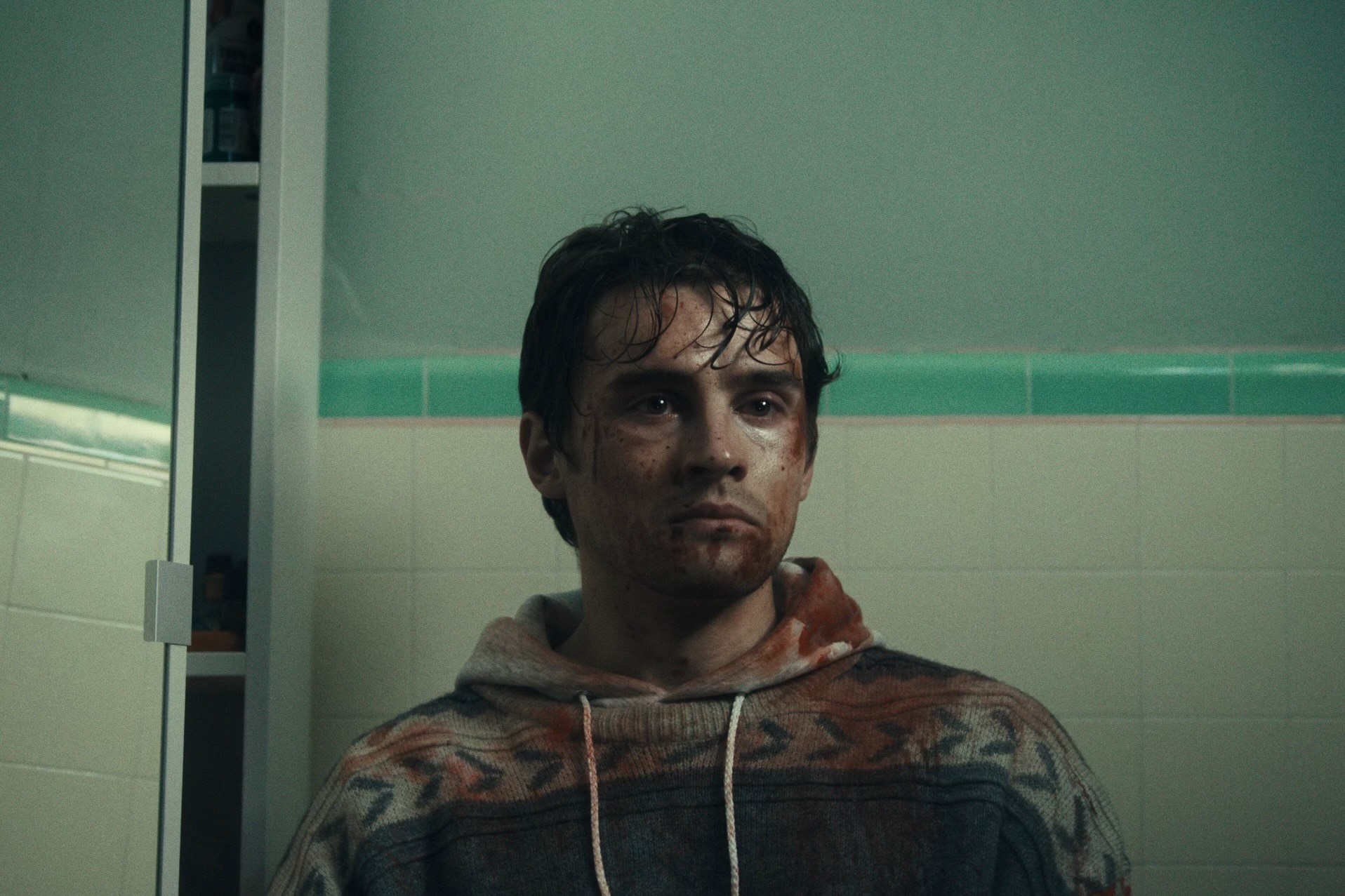
The other glaring issue some may raise is Barker’s age, as well as the fact that this is a directorial debut. At 26, Barker’s Gen Z status could become another reason not to vote for him. While the Academy should be based on merit rather than experience, the director’s branch has been seen as a tough branch to crack. Even experienced directors who helmed Best Picture-nominated films such as Steven Spielberg for Jaws, Martin McDonagh for Three Billboards Outside Ebbing, Missouri, or Christopher Nolan for Inception had to wait their turn before being nominated by the director’s branch. Breakthrough films and/or debuts nominated for the award are not necessarily a rarity. But what is rare is directors in their 20s being listed in the final five. One thing that Curry Barker has in common with directors like John Singleton (24 when nominated for Boyz In The Hood), M Knight Shyamalan (29, The Sixth Sense) or George Lucas (29, American Graffiti) is that those films were at the time undeniable hits that went above and beyond what we knew from said genres. They pushed the boundaries of storytelling. That can be said for Curry Barker’s work.
Curry Barker’s Obsession isn’t just an all-timer moneymaker due to its horror draw. Like The Sixth Sense and Get Out, Barker’s meticulous directing on a micro-budget shows that a film can cultivate constant rewatches. Rewatches that prove the film isn’t a one-and-done but can be renewed with rich perspectives and revelations. That makes a picture timeless and a platform to never leave the conversation in its themes of the lonely epidemic, incel behavior, and the terrifying manifestation of an evolved practice of toxic masculinity. The blocking thinks like a chess player rather than checkers in its vision from Baker, with tone, editorial skills, and lighting placements that show his initiative goes the extra mile for every department as a leader. That’s great for momentum, especially when you gain the respect and admiration from legendary directors such as Steven Spielberg and Christopher Nolan for said film, along with being one of the ringleaders in the next phase of rising directors of this generation.
But the biggest question for these types of observations, no matter the critical success, the box office, the cinematic achievements: what is the upcoming competition? Many assume that, because said film missed a nomination, it wasn’t liked or loved. But that’s the key element for nominations. You can’t just be great. You have to be great and hope you stand out enough to make the top 5 among many competing films. For early predictions/prospects, the usual suspects are suspected. The consensus would agree that, on paper, Christopher Nolan (The Odyssey), Martin McDonough (White Horse Nine), and Javier Ambrossi & Javier Calvo (La Bola Negra) are strong frontrunners in the category. Not to mention other contenders such as Tony Gilroy, Denis Villeneuve, Olivia Wilde, Cristian Mungiu, and Phil Lord & Chris Miller. That’s a lot of heavy potential on paper, with a few already seen by many and beloved. The additional advantage Curry has is that his film has already gained a head start in conversations about being a defining film, months before the releases of the others.

Every year, there tends to be that picture from the first half of the year that contends for both Picture and Director. That could be Project Hail Mary, especially given the technical haul it could bring and the above-the-line support for potential acting and screenplay nominations. That being said, there is good reason to speculate that not only is Obsession in the conversation for nominations, but it is also a potential winner come March. Specifically, Original Screenplay and Inde Neverette, depending on her placement and awards campaign in either Supporting or Lead Actress. With the acclaim of her physically demanding role that’s one of the decade’s best and an all-timer horror icon, this can build a package deal narrative. For Original Screenplay, Curry Barker could end up in a Jordan Peele or Emerald Fennell (Promising Young Woman) scenario, where such overwhelming Screenplay contenders for sharp breakthrough genre films can bring that Director nomination along for the ride. Not to mention the interesting parallel with Peele, Barker could also be an overwhelming front-runner for multiple directorial debut awards, putting good odds in his favor to squeeze into the final five.
Nothing is guaranteed. This category can pivot in wild directions as we approach the late-summer and early-fall festival seasons. As we get closer to the end of the year, the picture will be clearer as to where Curry Barker ends up. It’s a tough uphill battle, but with the film’s pop culture presence, unending discourse, and early industry support, Curry Barker’s case for best director is a consideration we may need to keep in the conversation as we hit the early stages of awards season down the road of the 99th Academy Awards.