
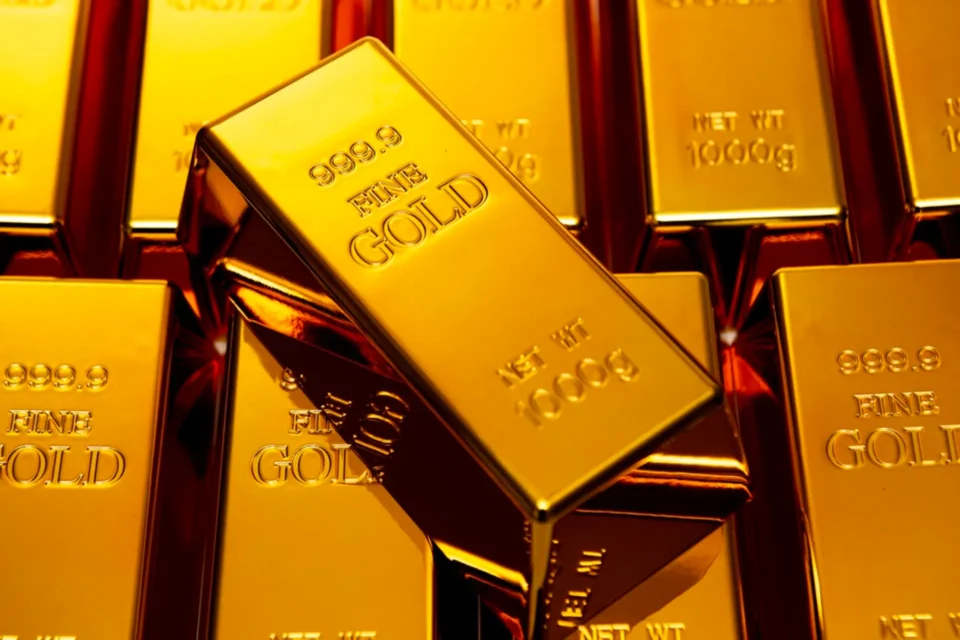
- International gold prices maintained their upward trend, edging slightly above $4,200 an ounce despite the announcement of a halt to attacks on energy facilities between Russia and Ukraine.
- The report said continued Houthi attacks on Saudi Arabia were raising the risk that the Middle East conflict could affect energy prices and inflation.
- The report said that if the likelihood of interest-rate hikes increases, the investment appeal of gold, a non-yielding asset, could weaken relative to other assets.
Forecast Trend Report by Period


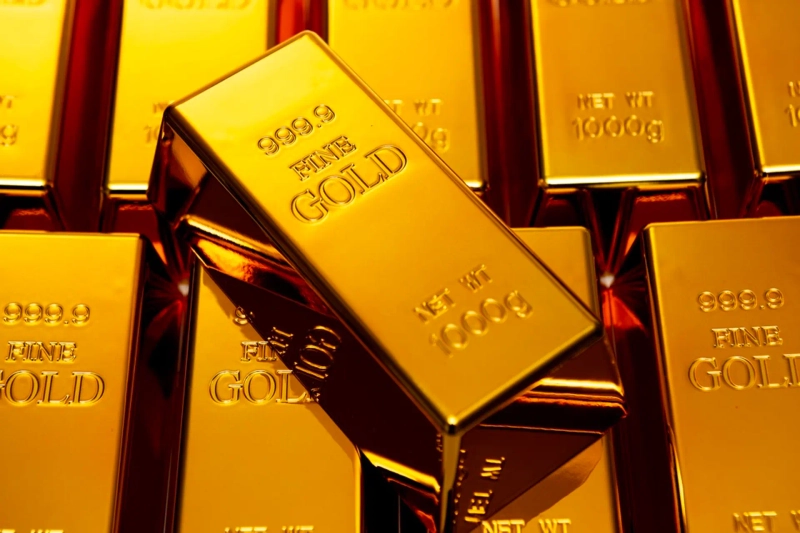
Gold rose modestly and held above $4,200 an ounce after President Donald Trump announced a halt to attacks on energy facilities between Russia and Ukraine.
Bloomberg reported on October 11 that spot gold was up 0.3% at $4,206.86 an ounce as of 8:30 a.m. Singapore time. Bullion climbed 1.3% last week. Silver traded 0.6% higher at $60.99 an ounce, while platinum and palladium also advanced.
Gold posted limited gains as Trump’s announcement of an energy ceasefire between Russia and Ukraine coincided with rising military tensions in the Middle East. Trump said the two countries had agreed to immediately halt attacks on energy facilities. He had earlier called on Ukrainian President Volodymyr Zelenskiy to stop attacks on Russian oil refineries and announced that Russia would supply diesel to the international market. Brent crude, the global oil benchmark, fell 1.2% in response.
In the Middle East, tensions continued to rise as Yemen’s Houthi rebels pressed ahead with attacks on Saudi Arabia. An attack on Saudi Arabia’s King Khalid International Airport on October 10 killed 12 people and injured more than 300, followed by another attack on October 11. The Houthis said the strikes were retaliation for Saudi attacks, including one on Sanaa airport in the Yemeni capital.
Markets are watching how an escalation in the Middle East conflict could affect energy prices and inflation. Since fighting between the U.S. and Iran began in late February, concern over supply disruptions has pushed oil prices higher. The resulting inflation pressure has also increased the likelihood of rate hikes by major central banks. Gold, which does not pay interest, can become relatively less attractive when borrowing costs rise.
The Bloomberg Dollar Spot Index edged lower on the day. The gold market appeared to be weighing easing concerns over energy supply disruptions tied to a Russia-Ukraine ceasefire against inflation fears stemming from a prolonged conflict in the Middle East.