
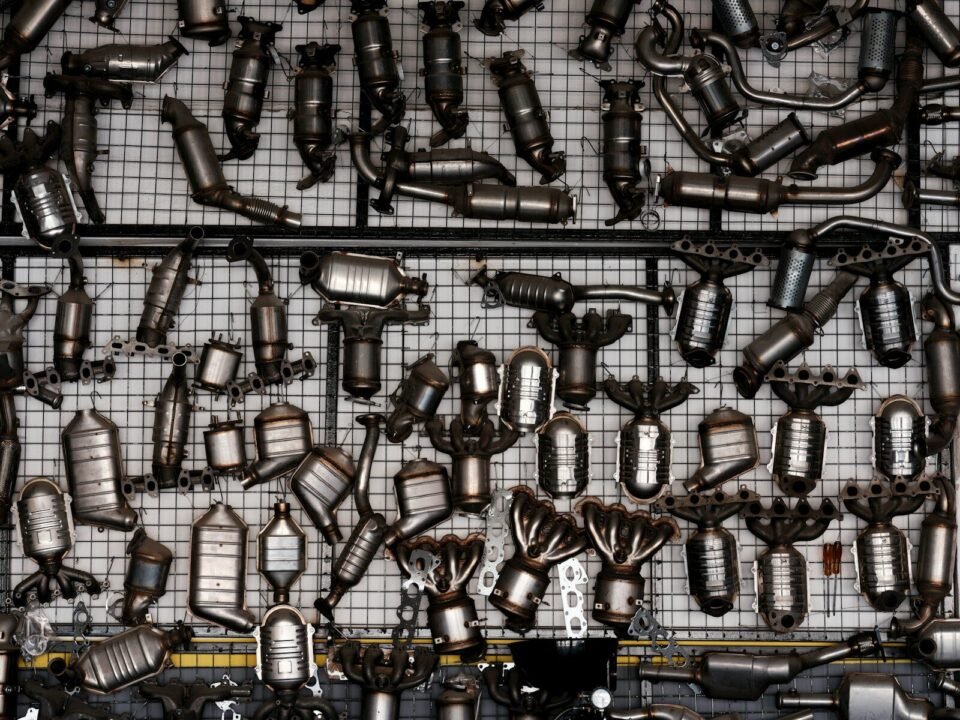
As sustainability becomes a priority across industries, automotive recycling is playing an increasingly important role in reducing environmental impact. While many people associate vehicle recycling with steel or aluminum, catalytic converters are among the most valuable components that can be recovered and reused. These small devices contain precious metals that would otherwise require energy-intensive mining, making their recycling both economically and environmentally significant.
Working with reputable catalytic converter recyclers ensures that valuable materials such as platinum, palladium, and rhodium are recovered through specialized refining processes rather than ending up in landfills. By returning these metals to the manufacturing cycle, recyclers help reduce the demand for newly mined resources while supporting a more sustainable automotive industry.
Reducing the Need for Mining
Mining precious metals has a considerable environmental footprint. Extracting platinum group metals requires significant amounts of energy, water, and land while generating greenhouse gas emissions and industrial waste. Every catalytic converter that is recycled helps offset the need for additional mining, conserving natural resources and reducing environmental degradation.
Recovering metals from used catalytic converters is also much more resource-efficient than extracting them from raw ore. Since these metals can be refined and reused multiple times without losing their properties, recycling offers a practical solution for meeting industrial demand while minimizing ecological damage.
Lowering Carbon Emissions
The recycling process consumes substantially less energy than primary metal production. As a result, fewer fossil fuels are burned, leading to lower carbon dioxide emissions throughout the supply chain. This contributes to broader climate goals and supports efforts to reduce the overall environmental impact of automotive manufacturing.
As more countries adopt circular economy principles, recycling critical automotive components becomes an increasingly effective strategy for lowering emissions and promoting responsible resource management.
Preventing Waste
Millions of vehicles reach the end of their service life every year. Without proper recycling systems, many valuable components could be discarded, creating unnecessary waste and increasing pressure on landfill capacity.
Catalytic converters are especially important because they contain materials that remain valuable even after the vehicle itself is no longer operational. Recovering these resources keeps hazardous and valuable materials within the production cycle instead of allowing them to become environmental liabilities.
Supporting the Circular Economy
A circular economy focuses on extending the life cycle of materials by keeping them in use for as long as possible. Catalytic converter recycling is a practical example of this concept in action. Precious metals recovered from old converters can be refined and incorporated into new automotive components, electronics, and various industrial applications.
This continuous reuse of materials reduces dependence on finite natural resources while helping manufacturers secure stable supplies of critical metals.
Economic and Environmental Value
Beyond environmental benefits, catalytic converter recycling creates value throughout the automotive ecosystem. Vehicle owners, dismantlers, scrap yards, and recycling facilities all benefit from recovering components that still contain highly sought-after materials.
At the same time, manufacturers gain access to recycled metals that help stabilize supply chains and reduce production costs associated with raw material extraction.
