
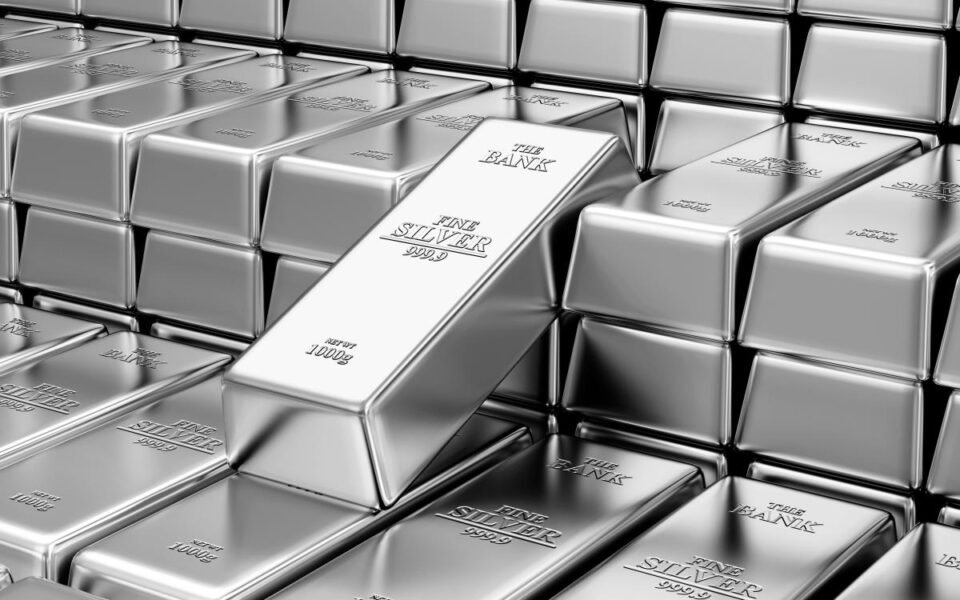
A silver IRA is a self-directed Individual Retirement Account that allows investors to hold physical precious metals, such as silver bullion and coins, instead of standard paper assets like stocks and bonds.
Silver has been on a wild ride in the 21st century. It started off around the time of the Dotcom Bubble Burst at just over $4 per ounce, and on Jan. 29, it hit an all-time high of $121.67 per troy ounce. Through it all silver has maintained its status as both an ancient store of value and a necessary metal for many commercial uses.
Silver’s unmatched physical and chemical properties put it in a special category for precious metals. As the best electrical and thermal conductor of any metal, it ensures peak efficiency in smartphones, semiconductors, switches and printed circuit boards.
Its exceptional reflectivity also makes it a vital component in photovoltaic cells, allowing solar panels to capture and convert sunlight into electricity. Furthermore, silver’s natural antimicrobial properties are widely utilized in medical devices, wound dressings, and water purification systems to prevent bacterial growth.
Combined with its resistance to corrosion and extreme malleability, silver cannot be easily substituted without sacrificing performance across high-tech industries. Its functional value, combined with its traditional role as money, makes it a continuing hedge against the devaluation of fiat currency and governmental fiscal malfeasance.
To protect your wealth, these are our choices for the best silver IRA providers, based on coin availability, account minimum and transaction fees, the company profile, custodian options and silver spreads.

Founded in 1997 by Kevin DeMeritt, Lear Capital is a premier precious metals firm with nearly three decades of experience facilitating billions of dollars in physical gold and silver transactions.
Lear earns exceptional marks across independent consumer platforms, maintaining an A+ rating with the Better Business Bureau (BBB), an AAA rating with the Business Consumer Alliance (BCA), and 4.7+ out of 5 scores on both Trustpilot and ConsumerAffairs across thousands of verified reviews.
Customer satisfaction surveys consistently highlight Lear Capital’s white glove business model, which pairs clients with dedicated account specialists who handle end-to-end paperwork for self-directed silver IRA rollovers. Investors also praise the firm’s 24-hour cancellation period on purchases, clear buyback program, and patient educational support for first-time buyers.
On community forums, retail investors commend Lear Capital for reliable custodial execution, transparent tracking, competitive bullion promotions, and active accountability in resolving customer inquiries.
For qualifying large-volume or IRA deposits the company reimburses initial account, setup and storage fees on purchases of $25,000 to $50,000 for the first year, $50,000 to $75,000 for two years and $75,000+ for three years.
For both direct purchases and self-directed IRAs, Lear Capital offers IRS-approved silver bullion coins, rounds and bars alongside IRS approved collectible coins. Their IRA-eligible silver selection features popular sovereign coins including the American Silver Eagle (bullion and proof), Canadian Silver Maple Leaf, and Royal Canadian Mint wildlife series, as well as .999+ fine silver bars in various weights, while non-IRA buyers can also purchase historic pieces like Morgan Silver Dollars and 90% silver quarters.
Lear has a proven track record as a dependable wealth-preservation partner, which is why they earned the top spot in our survey.
Pros:
- Fee Transparency: Proactively publishes fee schedules and provides clear upfront breakdowns of setup, storage, and insurance costs to prevent hidden fees.
- Streamlined Account Management: Features a specialized IRA department that coordinates directly with custodians and depositories, simplifying administration while leaving investment choices in the hands of the account holder.
- Dedicated Personal Assistance: Assigns a specific account specialist to assist with complex 401(k) rollovers and handle IRS-compliant paperwork.
Cons:
- Recurring Administrative & Storage Fees: Unless account balances meet specific fee reimbursement thresholds (typically $25,000 to $75,000+), customers are subject to recurring setup and annual custodian/storage fees
- Limited online trading: Lear has an online store where customers can purchase metals. However, Lear Capital requires investors to work with an account specialist to sell coins or complete IRA transactions.
- Limited Payment Methods: The platform does not support credit cards for account funding, though they do allow bank funding through Plaid.
Documented minimum: $10,000 IRA. Online purchases start at $1,000 | Published IRA fees: $315 to $365 first year. $235 to $285 thereafter | Actual product prices online: Yes, for many products | Metals selection: Gold, silver, platinum and palladium. Bullion, premium and collectible coins
855-569-4745

Goldco is a leading, privately held precious metals investment company founded in 2006. It specializes in helping investors protect and diversify their retirement savings through self-directed gold and silver IRAs, as well as offering direct purchases of physical precious metals.
Their precious metals IRAs include silver, and they offer 10% in free silver when you purchase $100,000 or more in Goldco premium coins.
Pros:
- White-Glove Rollover Support: Account specialists guide investors step-by-step through 401(k) and IRA rollovers, managing paperwork to ensure transactions remain tax- and penalty-free.
- Insured Depository Partners: Operates alongside reputable IRS-approved vault facilities (such as the Delaware Depository and Texas Depository) with options for both segregated and non-segregated storage.
- Comprehensive Educational Resources: Supplies detailed investor guides, market reports, and direct representative consultations to walk beginners through silver IRA regulations.
Cons:
- High Minimum Investment Threshold: Requires a high starting investment ($25,000 for IRAs), making it inaccessible for smaller budgets or casual investors.
- Lack of Online Fee & Price Transparency: Specific annual storage fees, custodian administration costs, and individual coin markups are omitted from the website, requiring a phone consultation to obtain full pricing.
- Limited Asset Selection: Focuses almost entirely on gold and silver, offering limited to no options for investors seeking platinum or palladium assets.

Founded in 2012, Augusta Precious Metals helps retirement savers diversify their portfolios by holding physical gold and silver directly within self-directed IRAs. The company specifically caters to investors transferring at least $50,000 from qualifying retirement accounts.
Augusta Precious Metals sells silver coins, rounds, and bullion bars, focusing primarily on IRS-approved .999+ fine bullion including American Silver Eagle, Canadian Silver Maple Leaf, Austrian Silver Philharmonic and America the Beautiful Silver Coins.
Pros:
- Education-First: Customers consistently praise Augusta’s one-on-one web conferences led by salaried educators.
- Transparent Pricing and Fee Disclosures: Clear, upfront fee breakdowns and a predictable spread structure with no hidden fees or unexpected charges.
- Hands-On Account and Rollover Support: The team assists with up to 95% of the custodial, rollover, and storage paperwork required to set up a gold or silver IRA.
Cons:
- High Minimum Investment: Augusta requires a minimum purchase threshold of $50,000, making it inaccessible for smaller or beginner investors.
- Narrow Product Selection: Inventory is strictly limited to gold and silver coins and bars, with no offerings for platinum, palladium, or alternative asset classes.
- No Online Live Pricing: Specific coin and bar prices are not displayed live on the website, requiring customers to speak directly with an account representative for real-time quotes.

American Hartford Gold is well known for its exceptional industry reputation. The company is prominently recommended by figures like Bill O’Reilly and Rick Harrison, and it has earned widespread acclaim for reliable customer service, boasting an A+ rating from the Better Business Bureau and top-tier reviews on consumer platforms like Trustpilot.
Their silver catalog includes popular sovereign coins, such as the American Silver Eagle, Canadian Silver Maple Leaf, and Austrian Philharmonic, alongside minted and cast silver bars in weights ranging from 1 oz to 100 oz.
Pros:
- Strong Overall Reputation: Holds high customer satisfaction scores, including an A+ rating with the BBB and 4.5+ out of 5 stars on Trustpilot and ConsumerAffairs.
- Buyback Commitment & Perks: Reviews praise the company’s no-fee buyback policy, as well as promotions offering free metal (e.g., silver) or waived storage fees for up to three years on eligible accounts.
- Educational & Attentive Support: Many buyers praise dedicated specialists for taking the time to explain precious metal investment options without rushing them.
Cons:
- Lack of Upfront Pricing: Product prices are not listed on the website; prospective buyers must speak with a phone sales representative to receive current pricing quotes.
- High Markups on Specialty Coins: A recurring complaint in negative reviews is that representatives sometimes push buyers toward high-premium or numismatic coins rather than low-markup standard bullion.
- Investment Minimums: Account minimums ($10,000 for silver IRAs and $1,500 to $5,000 for cash purchases) may be too high for smaller or entry-level investors.

Birch Gold Group helps individuals diversify their retirement savings and protect their wealth by setting up and managing self-directed precious metals IRAs. BGG’s reputation is based on its dedicated specialists who guide investors without high-pressure sales tactics, their transparent pricing, and notable celebrity endorsements.
Their eligible silver selection includes government-minted coins like the American Silver Eagle, Canadian Silver Maple Leaf, Silver Twin Maples, Australia Silver Florin, and America the Beautiful series.
Pros:
- Guided IRA Rollovers: Users report a smooth, managed process when rolling over funds from existing 401(k)s or IRAs into IRS-compliant precious metal accounts.
- Responsive Customer Service: Customer feedback across review platforms praises the availability of direct phone representatives, avoiding automated phone trees.
- Vetted Depository Partners: Metals are held in recognized IRS-approved storage facilities such as Delaware Depository, Brink’s Global Services, or the Texas Precious Metals Depository.
Cons:
- Minimum Investment Threshold: The standard $10,000 account minimum makes the company less accessible for small-budget or retail investors.
- Ongoing Custodian and Storage Fees: Recurring annual custodian, administration, and vault storage fees can add up and weigh on returns, particularly for smaller portfolios.
- No Direct Online Purchasing: Transactions and account setups cannot be fully completed online; clients must speak directly with a sales representative via phone.
What is a silver IRA?
A silver IRA is a tax-advantaged retirement account that holds physical silver. Like IRAs that hold stocks and bonds, silver IRAs come in two varieties: traditional and Roth. Both kinds of accounts aim to help you save for retirement through tax incentives. With a traditional IRA the tax incentive is upfront, while with a Roth you get the tax break at the end.
Silver IRAs have several key differences from IRAs that hold stocks and bonds. Silver IRAs require you to work with a specialized custodian who holds your silver for you. You can’t hold silver in your IRA at home, and if you do, you may be subject to severe penalties from the IRS.
IRAs that hold stocks and bonds are usually held through a brokerage, and these brokers usually don’t charge fees, or charge minimal fees. The fees for silver IRAs include custodial fees, management fees and transaction fees, among others. Selling the silver in your IRA also may involve selling the silver back to the provider.
Why would you want silver in your precious metals IRA?
Silver trades at a significantly lower price per ounce than gold, allowing investors to accumulate a higher volume of physical metal for a smaller initial capital outlay.
How does a silver IRA work?
As noted above, you can’t open a silver IRA through a standard brokerage. Instead, you have to establish an account with an IRS-approved custodian that specializes in self-directed IRAs.
Once the account is open, it is typically funded via a tax-free rollover or direct transfer from an existing 401(k) or traditional IRA. Once your funds have been transferred, you select a precious metals dealer to purchase IRS-approved bullion or coins.
Physical silver that qualifies to be in your IRA must meet a minimum fineness of .999 (99.9% pure), be produced by a national government mint or an accredited refiner and be held in an IRS-approved depository.
Eligible government-minted coins include the American Silver Eagle, Canadian Silver Maple Leaf, Australian Silver Kangaroo, Kookaburra, and Koala, Austrian Silver Philharmonic, British Silver Britannia from 2013 to the present. Mexican Silver Libertads and Chinese Silver Pandas are also eligible.
In addition to these coins, .999 pure silver bars and rounds from COMEX- or LBMA-accredited refiners such as PAMP Suisse, Valcambi, and Sunshine Minting also qualify. It is important to note that rare numismatic coins, jewelry, personally owned silver, and pre-1965 90% “junk silver” are prohibited.
Customers should also note that the storage fees for silver in a precious metals IRA will be higher vis-a-vis the value of the silver than gold because silver weighs more per dollar invested than gold.
Your custodian may provide regular account statements that track the current market value of your holdings based on the daily spot price. When selecting a custodian, make sure you know how to monitor your holdings, whether online or through an app.
How to open a silver IRA
The first step — as with any financial decision — is to do your homework and do careful research on what custodian you want to invest with.
Once you have a custodian, the next phase is funding your account. Many investors choose to fund their new silver IRA through a direct, trustee-to-trustee transfer or a rollover from an existing traditional IRA, Roth IRA, or employer-sponsored 401(k).
You can also buy silver by sending money directly to your custodian, but by moving your retirement funds directly between the financial institutions, you avoid triggering any taxable events or premature withdrawal penalties. It is important to remember that the total annual contribution to all your IRAs, whether traditional or Roth, is capped according to IRS rules.
Once your self-directed account is fully funded and ready to go, you have to choose a precious metals dealer, which acts as the vendor that you purchase the physical metals from. The IRS enforces purity standards on the metal you buy, so you have to pick IRS-approved bullion bars or coins, while strictly avoiding unapproved collectible or numismatic items.
The final step is to arrange for secure storage. The IRS strictly forbids you from storing silver IRA assets in your own home. As recently as 2021, a Rhode Island couple found out the truth of this rule the hard way as the IRS levied punitive taxes for breaking it.
Silver IRA pros and cons
| Pros | Cons |
|---|---|
| Better tax treatment compared to holding silver yourself. | Silver doesn’t provide yield like dividend-paying stocks or bonds do. |
| Tax-free rollovers from your other retirement accounts. | Recurring maintenance and storage costs eat into your account value. |
| The price of silver is (usually) uncorrelated to the price of other assets like stocks and bonds. | The “bid/ask spread,” the price difference between what you pay for and what you get back when you sell, eats into your profits. |
| When you take distributions, you can choose “in kind” payment where the depository ships you your silver. | You are required to buy silver and coins of a certain quality. Collectibles are not allowed. |
| Silver is an ancient store of value and it has industrial value. |
How a silver IRA rollover works
The benefit of rolling over your conventional IRA or other retirement plan that holds stocks and bonds (like a 401(k), 403(b), TSP) to a silver IRA is the ability to move a large amount of money into a new account without facing a taxable event.
After you have opened your account, you request a rollover through your existing retirement plan’s administrator. Transfers occur through one of two mechanisms: a direct rollover or an indirect rollover.
In a direct rollover, or trustee-to-trustee transfer, your current plan provider sends the designated funds directly to your new silver IRA custodian via check or wire transfer. Because the money never touches your personal bank account, this approach creates no tax liabilities, involves no tax withholding and eliminates the risk of missing regulatory deadlines.
In an indirect rollover, your current plan custodian issues a distribution check payable directly to you. Upon receiving the check, you have 60 calendar days to deposit those funds into your new silver IRA without facing a penalty and tax hit.
In this scenario, the original custodian is legally required to withhold 20% of the distribution for federal income taxes. To complete a full rollover and avoid paying income taxes plus a potential 10% early withdrawal penalty on that withheld portion, you must make up that 20% out-of-pocket when funding the new account. If you miss the 60-day window, the IRS considers the entire sum a taxable distribution.
After the transferred funds settle in your new self-directed account, your custodian executes the purchase of IRS-approved precious metals from your chosen dealer and arranges secure, insured transport directly to an approved depository facility.