
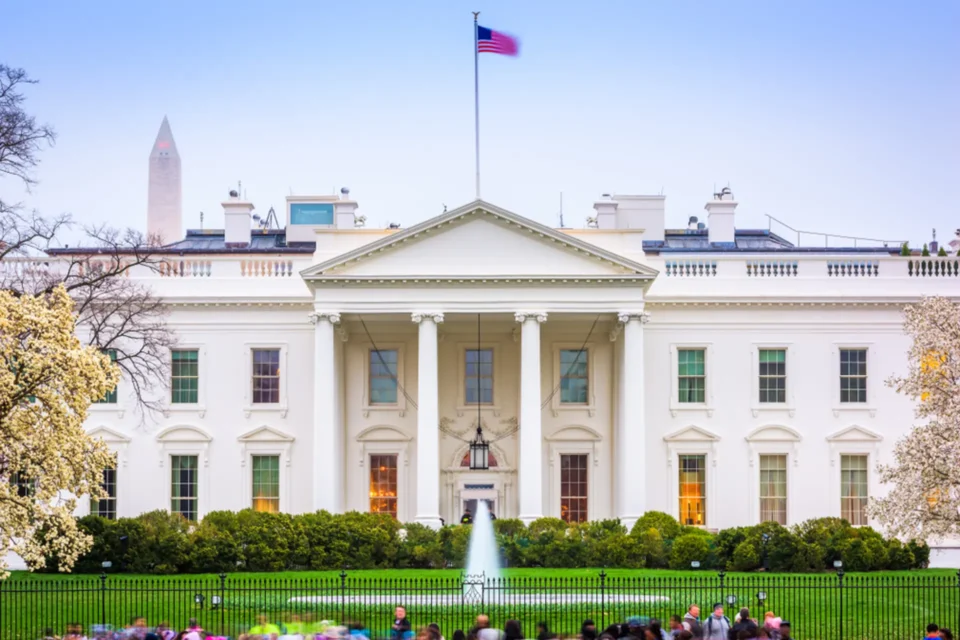
- A string of resignations by key White House crypto policy officials is raising concern over a coordination gap in digital assets legislation and regulation.
- The SEC, CFTC, OCC and Treasury Department are working on rules for digital assets and updating supervisory frameworks, while a new Congress next year is expected to take up crypto taxation and a market structure reform bill.
- The midterm election outcome, including whether Democrats win a House majority, could add political uncertainty to the push for crypto policy and the market structure bill, though the White House says it remains committed to moving the agenda forward.
Forecast Trend Report by Period


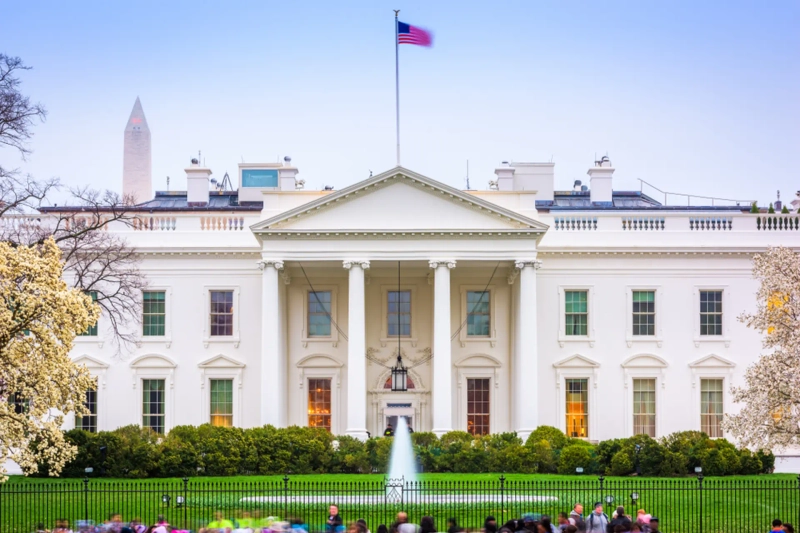
A string of departures by senior White House officials overseeing cryptocurrency policy is fueling concern that coordination on digital-asset legislation and regulation could be disrupted.
CoinDesk reported on October 18 that Patrick Witt, who had served as President Donald Trump’s adviser on crypto policy, resigned last week and that no successor has been officially announced.
Harry Jung and Bo Hines had already left the White House, extending the vacancies among key officials handling crypto policy. The White House has not publicly designated anyone to lead the effort.
A White House official told CoinDesk that crypto policy and the Digital Asset Market Clarity Act, or CLARITY Act, will remain key priorities for the Trump administration. Still, it is unclear how responsibilities will be coordinated or how the administration plans to fill the roles after the recent departures.
The administration is continuing work on crypto regulation even as political attention in Washington shifts to the November midterm elections. The Securities and Exchange Commission, the Commodity Futures Trading Commission, the Office of the Comptroller of the Currency and the Treasury Department are all working on rules for digital assets and on revamping supervisory frameworks.
With a new Congress set to begin next year, debate over crypto legislation is poised to resume. Lawmakers may take up a bill on crypto taxation before broader market-structure legislation, making the White House role in coordinating policy with Congress more important.
The midterm election outcome remains another variable. If Democrats win a majority in the House of Representatives, coordination with Congress on the Trump administration’s crypto agenda could become more complicated.
The White House, however, says it remains committed to advancing its crypto policy agenda. Focus is now shifting to whether a successor will be named and how the administration will coordinate financial regulators’ rulemaking with congressional debate over market-structure legislation.