
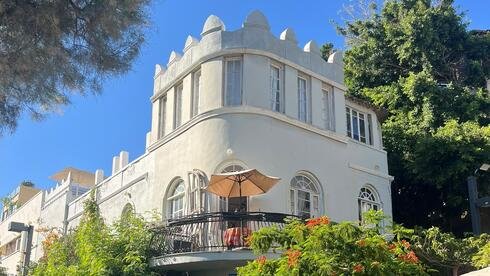
For a surprising number of people I speak to abroad, buying property in Israel sits somewhere on that list.
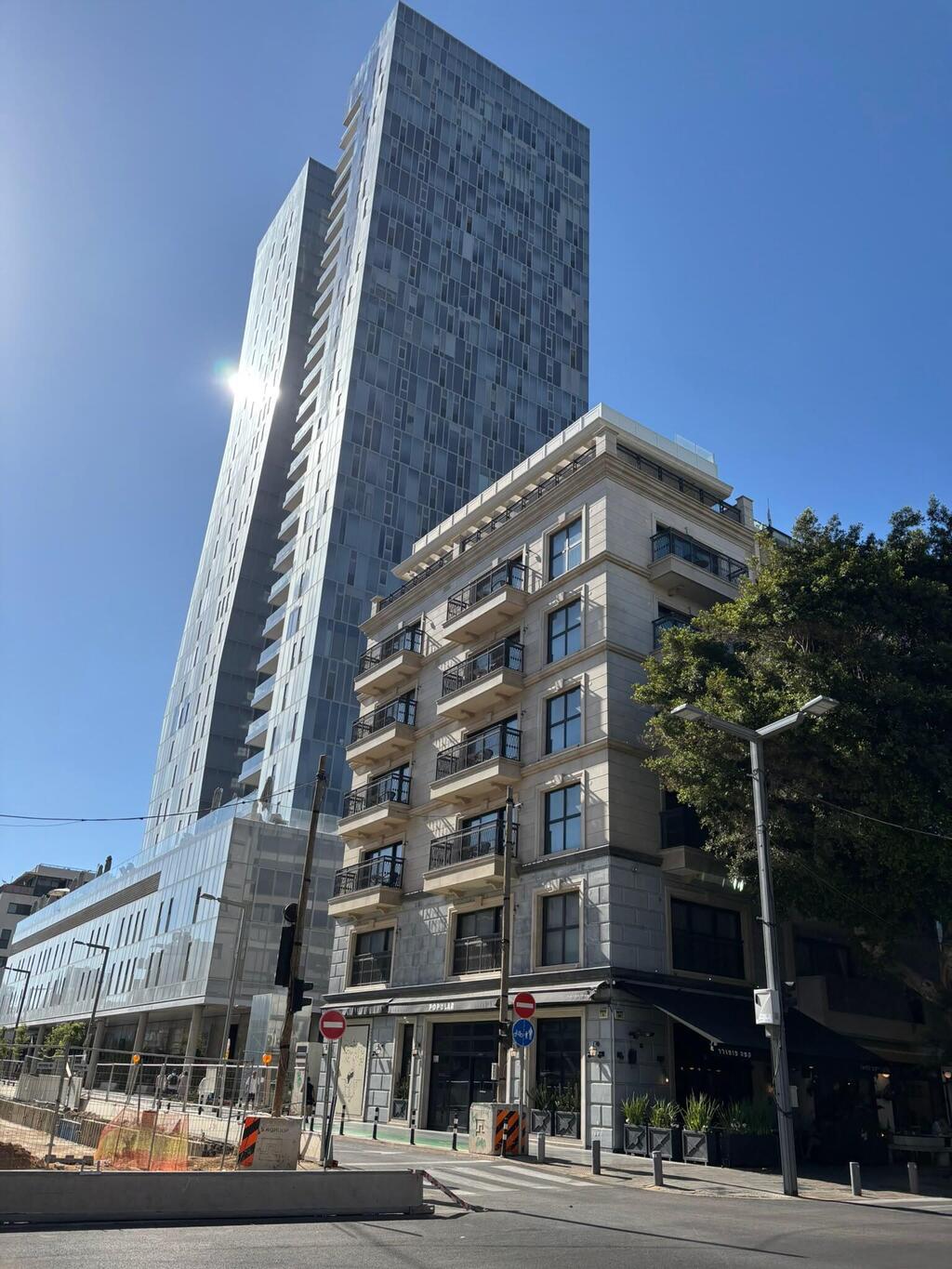
Maybe you’ve been talking about it for a year. Maybe five. Maybe recent events have made owning something here feel more important than it once did. Or perhaps you’ve simply reached the point where you’re ready to stop talking about it and finally make it happen.
Whatever your reason, if 5787 is the year you’re serious about buying property in Israel, preparation matters, and so does expectations.
The market you’re entering today is not the same market buyers were entering several years ago. There are opportunities, but there are also misconceptions about pricing, negotiation, financing and even where in Israel you should be looking.
So, going into the Jewish New Year, here are four things I would want every international buyer to understand before making their next move.
The first mistake is talking about the “Israeli real estate market” as though it’s one market.
It isn’t. What’s happening in Tel Aviv can be very different from what’s happening in Bat Yam, Netanya or Jerusalem. Even within Tel Aviv, the second-hand market is a completely different situation from new construction. Move a few neighborhoods over and the numbers can change again.
Right now, we’re in an interesting market. Buyers are cautious. There is significant new-construction inventory in certain areas. Some developers are offering attractive payment structures and incentives. In parts of the second-hand market, sellers have become more flexible, or at the minimum – become real sellers.
At the same time, quality projects in strong locations are certainly not being given away. The demand for luxury apartments also has remained relatively strong.
That’s why I would be very careful taking a headline about the Israeli property market and applying it to every property you see.
When I sit with a client, I’m far less interested in whether they heard that “the market is down” or that “developers are desperate” than I am in the specific project, neighborhood and property we’re evaluating.
A good deal is relative. And more importantly, what is a good deal for you and your family is all that actually matters, not if you paid less or got better terms than the other guy.
The question isn’t simply whether Israel is currently a buyer’s or seller’s market. The question is whether the specific property you’re considering represents good value within its specific market.
This is one misconception I’m seeing increasingly among buyers coming from abroad.
People hear “buyers’ market”. They hear developers are under pressure. They read about there being more stock on the shelves than ever before, and immediately conclude that the objective is to find whichever developer will bend the most.
Yes, negotiate. I negotiate virtually every transaction I represent, and in today’s market there can absolutely be room to improve price, payment terms, specifications or other elements of a deal.
But there’s a difference between negotiating intelligently and walking into every sales office expecting a developer to capitulate simply because you’ve heard the market is slow. This almost every time will result in disappointment.
And no, Israel is not going through a 2008 housing crisis. Quite simply, the market is going through a correction. There’s a big difference. Developers are currently not in fire sale territory, and from what I can see, the vast majority of them are far from it.
A strong developer with a quality project in a desirable location may simply not need your transaction badly enough to take double digit percentage points off the asking price. If your entire strategy is waiting for someone to become desperate, you may find yourself waiting a very long time, or getting yourself into a deal that has strings attached.
More importantly, the developer offering you the largest headline discount doesn’t automatically have the best property.
I’d much rather see a client negotiate a good deal on an excellent property than save another ₪100,000 on something they didn’t particularly want in the first place.
Your objective shouldn’t be to find the developer willing to bend the most. It should be first and foremost identify the right property for you, and then negotiate the strongest price and terms the market will realistically support. Understand what your limits are, what your bottom line is, and if the deal on the table falls within your boundaries, be prepared to move forward.
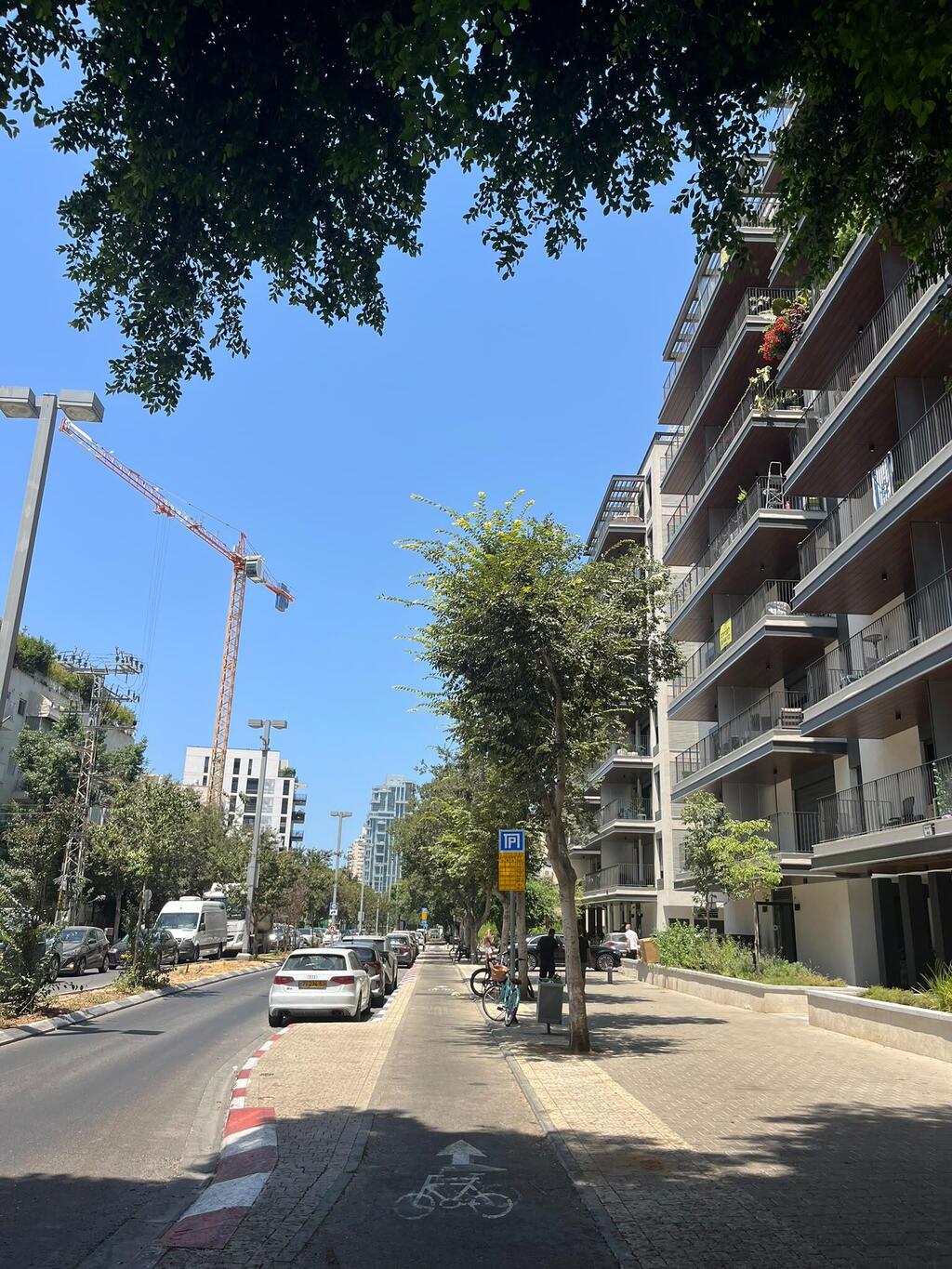
I’ve recently worked with several clients that fell into the property overload trap. They were on the hunt for the best deal in the market, realized whatever it was they were after didn’t exist, and then found themselves back at square one not sure how to proceed. Meanwhile, several times, good deals were on the table for them.
I can tell you, the vast majority of clients I’ve worked with successfully see anywhere from 4-6 properties maximum. And this is the right way to work. There are endless projects, endless options. But when you find a property that meets the majority of your requirements, move on it. Of course, negotiate the best deal possible. But consider price discounts and favorable payment terms as a cherry on top rather than a prerequisite for proceeding.
This is one of the easiest pieces of homework to do, yet many international buyers leave it until surprisingly late in the process.
Before you decide your budget, understand what financing may actually be available to you in Israel.
Speak with an Israeli mortgage professional. Understand approximately how much you may qualify to borrow, what that borrowing could cost, what documentation you’ll need and what the monthly payments might look like.
You don’t necessarily need to take a mortgage simply because one is available. But you should know your options.
This is especially important for international buyers because their financial lives are often spread across multiple countries and currencies. A buyer earning dollars, pounds, euros or Australian dollars can find that movements against the shekel materially change their purchasing power.
I’ve seen buyers automatically assume that because they have a certain amount of cash available abroad, that represents their maximum purchasing power in Israel. Then they speak to a financing professional and realize there may be additional options they hadn’t considered.
And equally as important, have a preliminary conversation with a real estate lawyer. In Israel, it’s the lawyers that legally execute the sales contracts, not the agents. Many foreign buyers forget to take into account additional costs like purchase tax, and other obligations that they maybe un-aware of.
Maybe you are buying through a company instead of putting the property on your name personally? That matters. Maybe you are buying now but are making Aliyah in the next year. That’s can mean the difference of paying potentially hundreds of thousands of shekels in purchase tax.
Setting up an initial call with a lawyer is one of the most important things you can do to help prepare yourself when you do start looking for a property.
International buyers understandably gravitate toward the places they’re familiar with. Tel Aviv and Jerusalem are usually at the top of that list, followed by cities such as Herzliya, Ra’anana and Netanya, where established international communities already exist.
But one of the biggest mistakes you can make going into the coming year is assuming that the communities international buyers know today will be the same ones we’re talking about five or ten years from now.
Israel is changing quickly. New transportation infrastructure, enormous urban renewal projects, new construction and shifting demographics are already reshaping cities and neighborhoods across the country that many international buyers would barely have considered several years ago.
And we’re beginning to see new communities take shape around that change. As more olim arrive and buyers venture beyond the traditional international hubs, new communities naturally begin to form around them. A few families become fifty. New synagogues, schools, businesses and social circles follow. Eventually an area that once felt like an unusual choice for someone arriving from London, Toronto, Sydney or New York doesn’t feel unusual at all.
This is where I think buyers need to change the question they’re asking.
Maybe in today’s market, living in Tel Aviv or Jerusalem is just not worth the cost. But what if you could enjoy Tel Aviv within 15-20 minute light rail ride or short drive away and get much more value for your money? That is a real option today, and I think people should strongly consider those options. And depending on where you look, the exact same budget can buy dramatically more space, newer construction, parking, outdoor space or proximity to the beach.
I’ve written about Bat Yam before for precisely this reason. It’s not Tel Aviv, nor should buyers pretend it is. But improved connectivity means a buyer can reasonably ask whether paying a significant premium simply to cross the municipal boundary is necessary for the lifestyle they’re actually trying to create.
Or even Ramat Gan that is literally across the Ayalon freeway, right way your money will take you 25-30% farther. The same Park HaYarkon, the same lifestyle. Go a bit farther into Ramat Gan, it can take you 40% farther. It’s these small nuances that many people coming from abroad simply don’t know about.
And the same principle applies elsewhere in Israel.
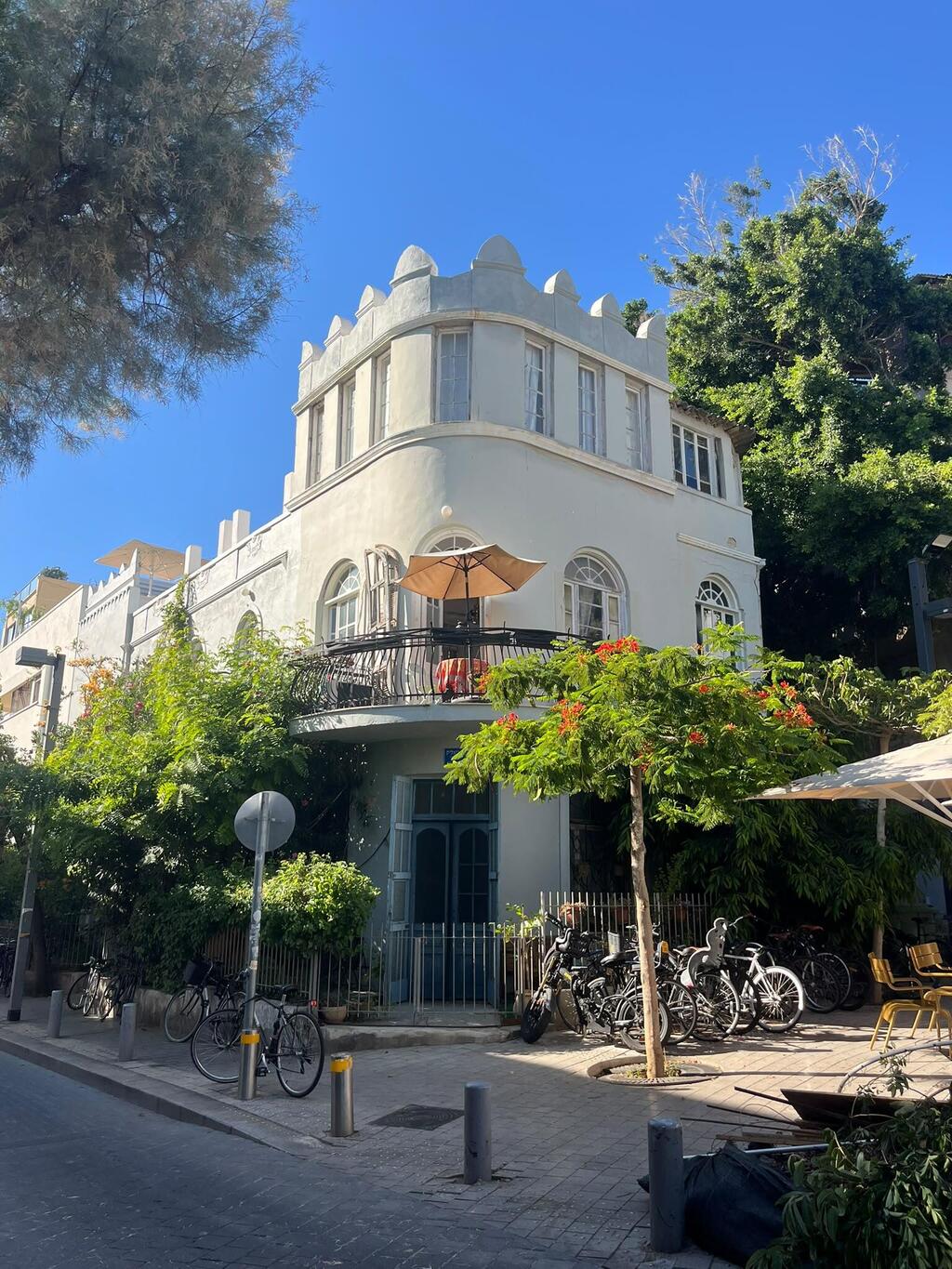
I believe that over the next five to ten years, we’re going to see many international communities emerge and expand in places many foreign buyers have never heard of or never seriously considered. That doesn’t mean blindly betting on the next “hot” neighborhood. Cheap property can remain cheap for very good reasons.
It means doing your homework.
Look at transportation infrastructure. Look at urban renewal. Look at where major developers are investing. Understand the schools, synagogues and community. Visit the neighborhood. Walk its streets. Sit in a café. Understand who actually lives there and what is planned around it.
And most importantly, determine whether the area makes sense for the reason you are buying. The Israel you know today is not the Israel you’ll be buying into in the near future. Keeping an open mind about that may turn out to be one of your greatest advantages.
Buying property in Israel is a major decision. And I realize it takes time to put yourself in the position to move on a property, and nobody should force a transaction simply because another year has passed. But the years do fly by, and I’ve personally noticed, when one is constantly waiting for the perfect timing or perfect property, it usually doesn’t come.
But there’s a difference between being patient and being perpetually unprepared.
If owning property in Israel is genuinely one of your goals for the year ahead, you don’t need to know today which property you’re going to buy today. But you can enter the year understanding the market, setting realistic expectations about negotiations, knowing your financing options if you need, and learning about cities and communities beyond the places you’ve always known.
Then, when the right opportunity appears, you’re no longer beginning the decision-making process from zero.
Regardless of what happens to the Diaspora in the years to come, I strong believe that the people who acted on their instinct to own property in Israel today will be very happy they did so.
So my advice for the Jewish New Year isn’t necessarily to make a resolution that you must buy a property, but at the minimum put yourself in a position to pull the trigger on the something with confidence when the opportunity arises.
Shana Tova and Gmar Hatima Tova,
-
Noah Sander is a Canadian-born real estate agent based in Tel Aviv, specializing in helping international buyers and new olim navigate the Israeli property market. Founder of ZionistInvestor.com. Reach him directly: [email protected]