
After decades in this industry, I’ve come to see franchising for what it truly is: not a preferred growth strategy, but business infrastructure in the same sense as roads, broadband, or the power grid. Physical infrastructure is of course tangible; it moves goods and connects communities.
Franchising is soft infrastructure that multiplies capability. It takes a proven system and replicates it in the next thousand locations.
Every company needs a growth strategy, which is a choice among alternatives. Franchising is way more than just a growth strategy. It is a more fundamental framework on which exponential growth is built. When you look at how franchising actually operates, the infrastructure comparison holds up. Franchising takes the secret sauce residing in a brilliant founder’s mind or the muscle memory of an execution team; and converts it into a replicable system.
So,
– Recipes become specifications.
– Training becomes a manual.
– Instinctive knowledge becomes a playbook anyone can pick up and execute.
Franchising is like the engineering work that enables consistent quality at scale. So whether a customer experiences service in Varanasi or Mumbai, the delivery is the same. Franchising also creates something else: a moat for entrepreneurship. By absorbing the upfront cost of building proven systems, brands open a door for local operators who couldn’t otherwise build that capability from scratch. ++A franchisee doesn’t just buy a logo. They buy a proven operating system, an established brand reputation, supply chain relationships, marketing engines, and ongoing operational support. This reduces the risk that comes with starting any new business. Independent restaurant failure rates are sobering; franchised systems perform meaningfully better precisely because so much of the guesswork has already been engineered out.
Lower risk allows operators with drive and local market knowledge but lacking extensive capital or experience to own a piece of the brand without building it from scratch. Many successful multi-unit operators today started as hourly employees who worked their way into ownership through a franchise system. That is not an accident of individual hustle alone. This happens when infrastructure lowers the risk barrier to entry for capable people. Thus, franchising distributes proven capability into communities that would otherwise have to build it themselves; slowly, expensively, and with far less certainty of success.
Capital movement further creates community infrastructure. Local operators hire local people. They lease local real estate. They source from local and regional suppliers. They pay local taxes that fund schools and infrastructure of the more traditional kind. A single franchise location becomes a small engine of recirculating capital, generating employment and delivering a world-class consumer experience that keeps customers returning.
Scale this across tens of thousands of locations and you start to understand why franchising shows up so prominently in conversations about small business job creation and economic resilience. That’s the real case for franchising as infrastructure. It doesn’t just grow brands. It grows owners, it grows jobs, and it grows the kind of consistent, trusted consumer experience that keeps local economies afloat and thriving.
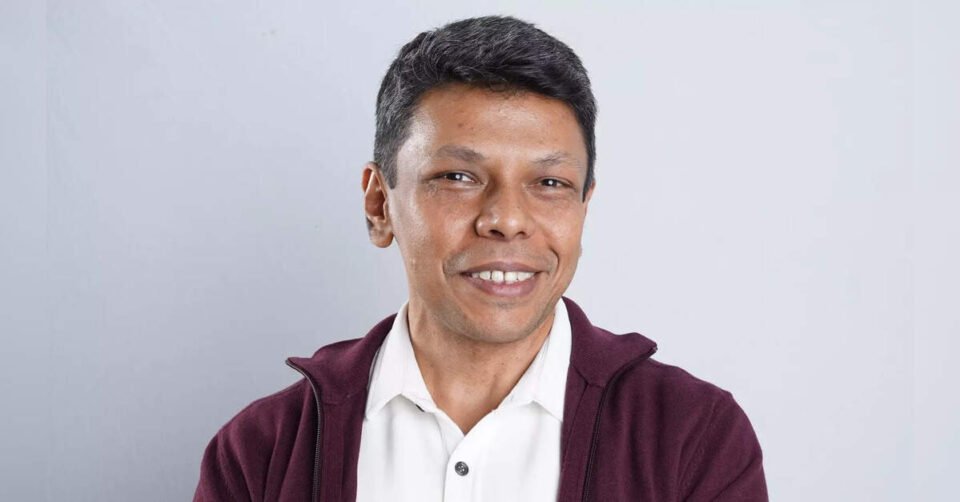
The author, Dheeraj Gupta is founder and MD of Jumboking. The views expressed in this article are those of the author and do not necessarily represent those of ET HospitalityWorld.
Most Read in Speaking Heads
Join the community of 2M+ industry professionals.
Subscribe to Newsletter to get latest insights & analysis in your inbox.
All about ETHospitalityWorld industry right on your smartphone!