
Emirate’s property sector has moved beyond cyclical volatility, driven by vision and long-term conviction
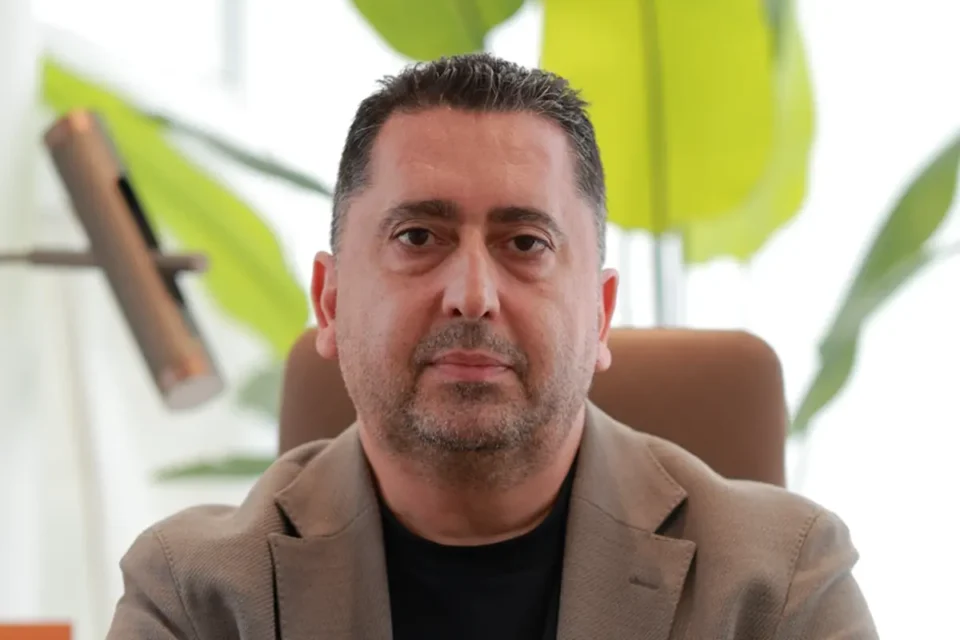
Dubai’s real estate market has spent years shedding its boom-and-bust reputation. Osman Celiker, CEO of IRTH Group, makes the case that the shift is now structural, backed by capital inflows, regulatory maturity and a buyer base that demands long-term value over short-term returns.
The GCC is navigating geopolitical tension following the unrest in the region. From your perspective, how has this period reinforced the UAE’s position as a global haven, not just in perception, but in real economic and real estate terms?
This period does not redefine the UAE; it reaffirms what it has consistently been.
Resilience here is not situational; it is structural. It has been built over decades through leadership, regulatory clarity, and a long-term vision that prioritizes stability over short-term reaction.
What we are witnessing today is not simply a shift in perception, but a continuation of real economic behavior – sustained capital inflows, consistent demand, and a market that continues to function with discipline even under external pressure.
In uncertain times, capital seeks clarity. The UAE continues to provide exactly that.
There’s a growing argument that Dubai’s real estate market is no longer driven by short-term cycles but by structural fundamentals, population growth, capital inflows, and regulatory maturity. Do you believe the market has fundamentally changed?
The market has not just evolved, it has matured.
Earlier cycles were largely reactive. Today, the UAE real estate market is anchored in fundamentals: population growth, infrastructure investment, progressive regulation, and long-term residency frameworks.
This has created a more structured and predictable ecosystem, where value is driven less by speculation and more by sustainability.
As a result, the market today is not only more resilient — it is more selective, more disciplined, and far less exposed to short-term volatility.
Despite regional uncertainty, Dubai continues to show remarkable stability. What gives you the confidence to remain long-term focused in an environment where others may hesitate?
Confidence today comes from predictability, not optimism.
The UAE has demonstrated a unique ability to navigate complexity with both stability and speed, whether during global financial cycles, the pandemic, or regional volatility.
At IRTH, we align with that philosophy. Resilience is not about reacting to uncertainty; it is about building through it with clarity and discipline.
That is what allows us to remain long-term focused, even when others hesitate.
Today’s buyer is more informed and more selective. How is this shift towards quality, experience, and long-term value reshaping the way you approach development at IRTH?
Every challenging period raises the benchmark for the market. Post-crisis environments consistently push developers to move away from volume-driven approaches toward quality, accountability, and user-centric design.
Today’s buyer reflects that shift. They are more informed, more selective, and deeply focused on long-term value.
At IRTH, we see this not as a challenge, but as alignment with who we are – a modern institution of legacy, grounded in intention and committed to creating spaces that remain relevant not just for today, but for years to come.
As IRTH concludes the first quarter of 2026, how would you describe the company’s performance and outlook in an evolving commercial real estate landscape?
As we conclude Q1 2026, IRTH continues to demonstrate disciplined and steady progress.
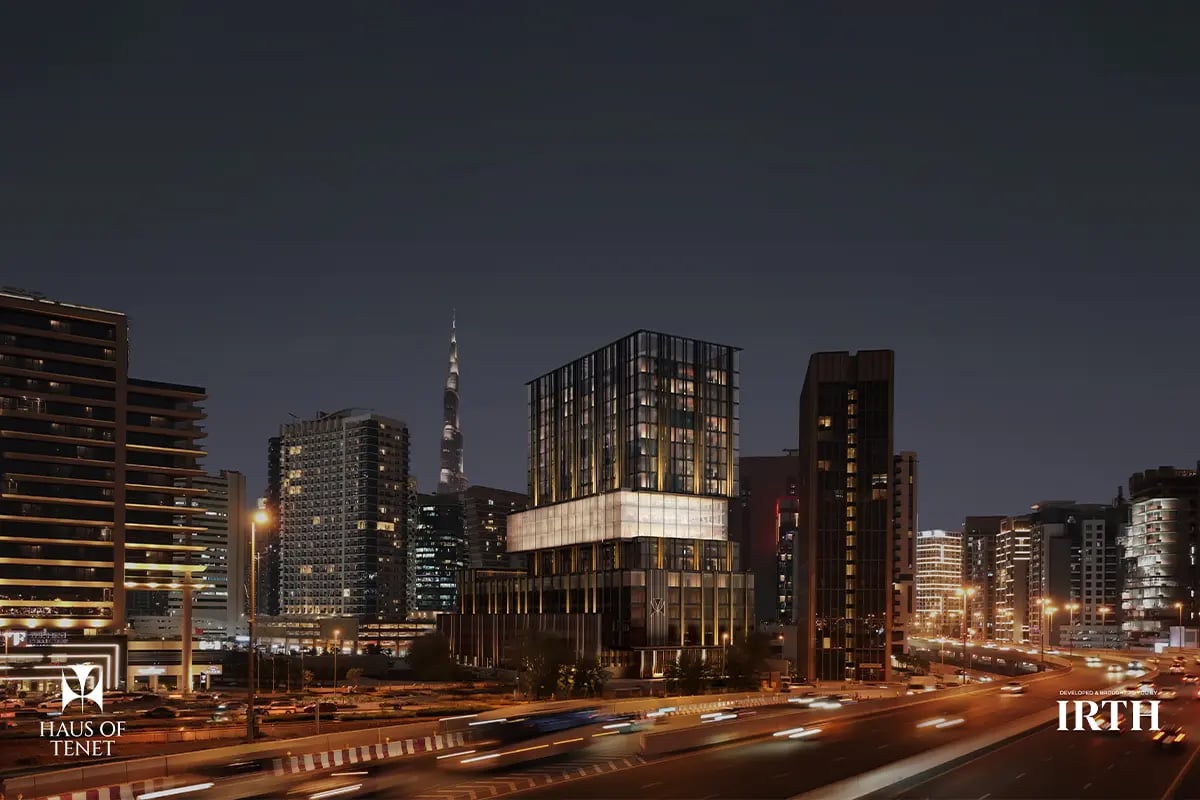
The launch of Haus of Tenet represents a key milestone – not just as a project, but as a reflection of our approach to commercial real estate: considered, design-led, and built with long-term relevance in mind.
More importantly, this period highlights the strength of our internal structure, including our teams, our decision-making discipline, and our ability to remain focused in a dynamic environment.
We do not measure performance only by pace, but by clarity and consistency of execution.
Read| Bayut: Building a trusted property ecosystem in the UAE
Looking ahead, do you see the current period as a test of resilience or as validation that the UAE real estate market has reached a new level of maturity that can withstand external shocks?
It is both, but more importantly, it is a confirmation of the trajectory.
If history is any indication, the UAE does not simply recover from challenging periods; it resets at a higher level. What we are seeing today is not just resilience under pressure, but validation of a system designed to absorb shocks and continue progressing.
Our confidence is not based on the absence of challenges, but on the strength of the foundations in place.