
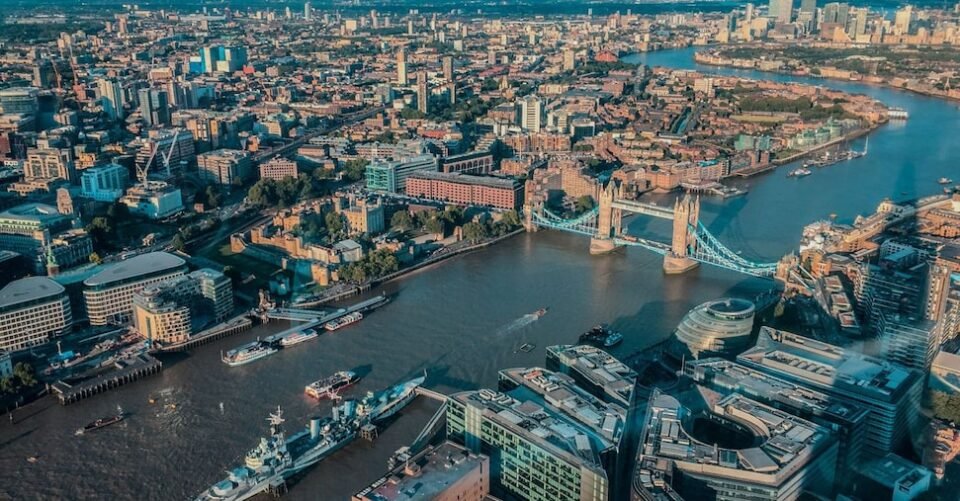
The City penalised by tax
“Prices in prime central London have fallen by more than a fifth in the last decade for a number of reasons,” points out Tom Bill, head of UK residential market research at Knight Frank. “The main cause is the increase in stamp duty, which is even higher for second homes and foreign buyers. The end of the non-dom tax regime and the absence of a credible alternative is also a factor, as are concerns about what this government might do in the future’.
According to Bill, despite the fact that the surcharge on the council tax for high-value properties has been set at a lower level than initially feared, given the Chancellor of the Exchequer’s limited financial room for manoeuvre, ‘uncertainty remains about future wealth and property tax measures, which continues to dampen demand’.
The forecast and the boom of the British
Part of the arrivals in Milan’s capital city concerns the migration of large estates that previously landed in the United Kingdom and are now also moving towards Italia. According to data processed by Lionard Luxury Real Estate for Il Sole 24 Ore, moreover, of the overall growth (+42%) in demand recorded by the network from 2023 to 2025 for the Italia market, the most significant figure concerns the Milan-United Kingdom axis: British buyers interested in the city have grown by 260% in the two-year period of reference. This is a clear sign of the change in the city’s position on the radar of UK customers, who look to the capital as an international, wealth and lifestyle-driven market. Over the past year, however, it has been the French clientele (+11%), among the most dynamic in the high-end segment, that has been the most influential.
Milan is now looking for a new balance. After the international demand boom of 2023-2024, the city will continue to grow at a more moderate pace but at levels that will still allow it to perform better than London. Prime residential property prices grew by only 0.4 per cent in 2025 in the Lombard city, but Knight Frank predicts that they will increase by 2 per cent during 2026, while in central London they will fall by 2 per cent.