
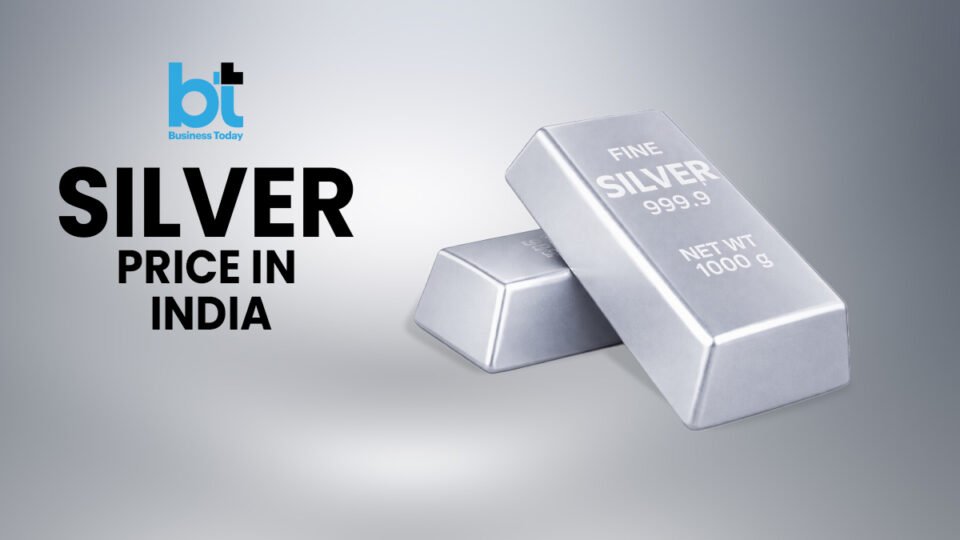
How purity of Silver is defined:
Silver purity is typically expressed in fineness, indicating the percentage of pure silver in an alloy. For example, 999 fineness means 999 parts out of 1000 are pure silver. Your choice depends on the gold’s intended use:
Fine Silver (99.9% Pure): Fine silver, also known as pure silver or .999 silver, contains 99.9% silver content with minimal impurities. This is the purest form of silver commonly available to consumers.
Sterling Silver (92.5% Pure): Sterling silver is the most common grade used in jewellery and household items. It contains 92.5% silver and 7.5% other metals (usually copper).
Britannia Silver (95.8% Pure): Britannia silver contains 95.8% silver and 4.2% other metals. It was introduced in Britain in 1697 as a higher standard than sterling silver.
Coin Silver (90% Pure): Coin silver contains 90% silver and 10% copper. It gets its name from its historical use in coins.
Pricing and Authenticity
The daily silver rate you see online is just a benchmark. The final showroom price will always be higher due to the following additions:
The Final Calculation: Base silver price + making charges (vary by design) + 3% GST.
Stone Deductions: For studded silver jewellery, the weight of embedded stones is excluded when calculating the net silver weight for pricing.
BIS Hallmarking: Verify authenticity by checking the BIS logo and purity grade (e.g., 925 for sterling silver or 999 for fine silver). While some products may also carry a HUID code, its use is more widely standardised for gold jewellery.
Paper and Digital Silver Alternatives
If you want to invest without the hassle of physical storage or making charges, consider digital silver:
Digital Silver: Investors can buy and hold silver digitally through online platforms without taking physical delivery. However, such instruments are not regulated by SEBI, which has cautioned investors about potential risks related to transparency, pricing, and investor protection.
Silver ETFs (Exchange Traded Funds) or Silver Fund of Funds: Silver investment in India is no longer limited to physical assets. With silver ETFs, you can buy and sell silver like a stock on exchanges. The ETFs track domestic silver prices – subject to tracking error and you don’t actually store the physical metal but track the silver prices.
Tax and Regulatory Quick Facts
KYC Rules: Providing your PAN is mandatory for purchases exceeding Rs 2 lakh. Cash purchases over Rs 10 lakh require strict KYC compliance.
Taxes on Purchase and Sale: All silver buys attract a flat 3% GST. Selling silver later will attract capital gains tax, depending on how long you have held the asset.
Gifts and Inheritance: Inherited silver is not taxed until you sell it. Silver gifts are tax-free if received during marriage or from specified close relatives; otherwise, gifts exceeding Rs 50,000 in a financial year are treated as taxable income.
What Drives Gold and Silver Prices?
Gold and silver prices are influenced by global macroeconomic trends, geopolitical conditions, and currency movements. As time-tested safe-haven assets, both metals typically see increased demand during periods of high inflation, economic recession, or global crises as investors seek to protect their wealth.
Industrial Demand (Silver): Unlike gold, most of the global silver supply is consumed by industries. It is an essential component in solar panels, electric vehicles, medical devices, and electronics due to its electrical and thermal conductivity.
Understanding Silver Purity:
Fine Silver (999): Contains 99.9% pure silver, just like 24-karat gold. It is highly resistant to tarnish but is very soft, making it suitable primarily for investment coins and bars rather than everyday jewellery.
Sterling Silver (925): The global standard for silver jewellery and silverware. It consists of 92.5% silver and 7.5% copper or other metals.