
In a country where the housing market is squeezed, decommissioned electrical substations are in demand as refurbished residences
Published Wed, Jun 17, 2026 · 03:22 PM
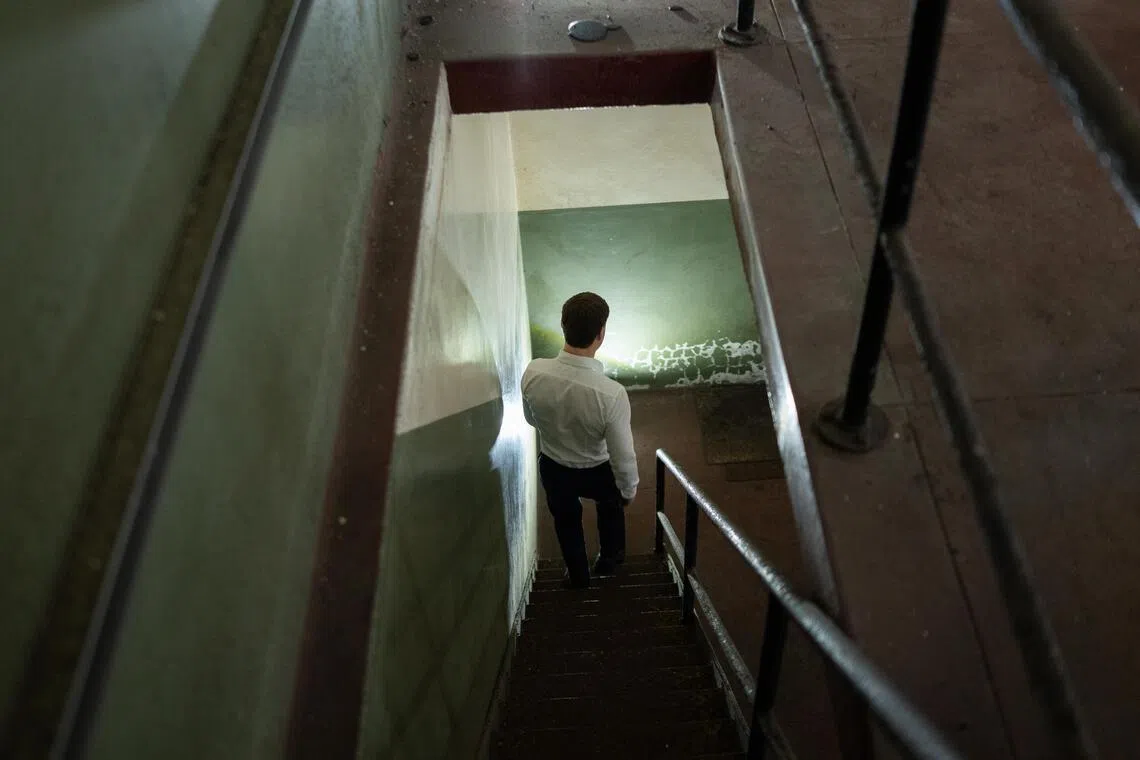
[SYDNEY] Bits of metal poked through the floor, paint peeled from the walls and “caution” signs warned visitors to watch their step on the uneven floor. The building was dark inside. Yet one potential buyer described it as “incredible”.
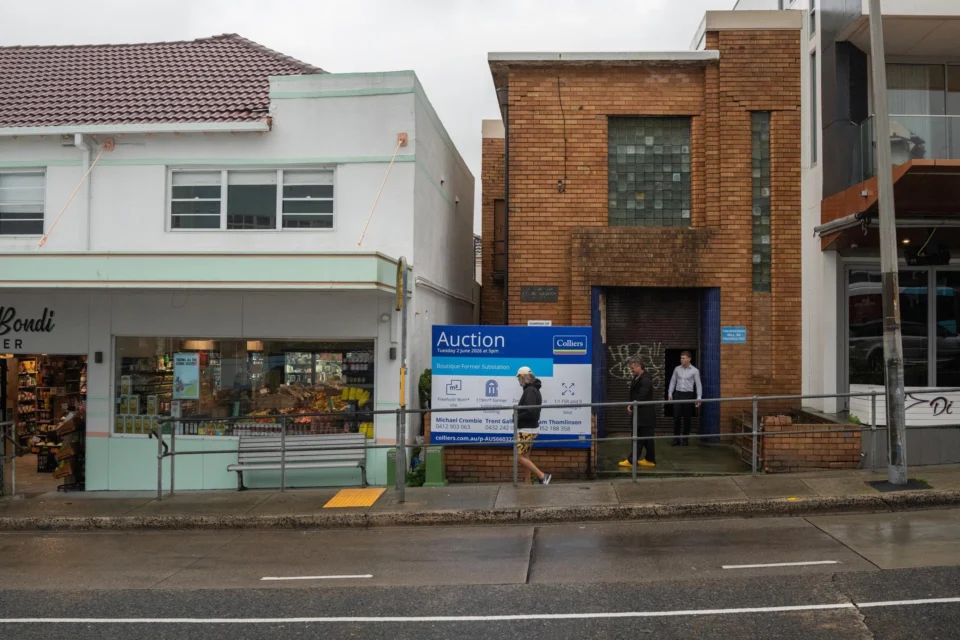
Welcome to the real estate market in Sydney, where housing is so scarce that decommissioned electrical substations are in demand.
The 1,280-square-foot property, which needs extensive work to make it liveable, sits on the main thoroughfare leading to Bondi Beach. It was listed for A$1 million (S$900,000), less than a third of the area’s median property price, and was auctioned on Tuesday (Jun 16).
It is one of several current and former substations for sale around Sydney, with power companies saying they no longer need the land or that grid upgrades have made the sites redundant. The properties are often small and unloved, but in Australia’s housing market, which is among the most expensive in the world, they are highly desirable.
In Bondi, Bruce Millar was inspecting the former substation. Although he had passed the building countless times, he did not know what lay behind the brown shutter. He was impressed. “I would be inclined to restore it somehow,” he said.
Michael Crombie, the director of property sales with real estate firm Colliers, said that the buildings are popular. In recent years, the firm has sold five former electrical substations. While the Bondi property has been decommissioned, some blocks of land are sold with functioning substations – often encased in a green box – still on them.
“They are eclectic little warehouses in a high-density residential precinct that’s highly sought after, and I think the attractiveness for a lot of these buyers is just the price point,” Crombie explained.
Colliers gets about 200 enquiries a week regarding the substations, although some are just out of curiosity, he added. A spokesperson for Ausgrid, the biggest electricity provider on Australia’s east coast, said disposal of surplus properties reduces maintenance costs and helps to unlock underutilised land. Some will be converted into residential properties, while others may be commercial or a mix of the two.
But this is hardly a solution for the country’s housing crisis, said Tom Alves, the head of development for the Australian Housing and Urban Research Institute.
SEE ALSO
Historically, Australians have valued homeownership as a marker of success and an asset to hand to the next generation. Politicians have rolled out decades of incentives that favour homeowners, including the exclusion of the primary residence from the personal income tax system. Since 1999, home prices have risen by more than 400 per cent, the government has said.
“Housing became increasingly an opportunity for investment, particularly by those who already owned their own home and were able to sort of leverage their wealth to invest in housing,” said Alves, adding that this has pushed up house prices.
Incomes have not kept up. Median home prices are now more than eight times the median income – in Sydney they are 10 times higher. Consequently, homeownership rates have plummeted among young people, with many turning to their parents for financial support if they do purchase a home.
One major factor driving prices is low supply – there are not enough homes to go around, particularly as Australia’s population grows.
Prime Minister Anthony Albanese this year unveiled major overhauls of rules on capital gains tax and leveraged investing, moves that his government said would help first-home buyers.
While they are unpopular with some, the government has said that the changes were necessary to address intergenerational inequality.
“The Australian dream of homeownership was drifting away,” Albanese said this month.
In recent weeks, home prices in Sydney and Melbourne have dipped. But experts note that the increasing cost of living, the oil crisis and interest rate hikes have also put pressure on prices.
Emma Baker, a housing research professor at the University of Adelaide, said that it will take some time to see whether the government’s overhauls are effective.
She added that Australia should adopt alternative types of housing to reduce pressure on the market, such as increasing public housing or prefabricated homes that are popular in countries like Japan and Sweden.
At another inspection for a two-story substation with a starting price of around US$701,075 in the beachside area of Coogee, Alison Fraser was envisioning her ceramic business operating downstairs and a living space above. Although there are a few problems with the place, Fraser saw potential.
She was preparing to make a bid for it at an auction on Tuesday.
“It’s such an emotionally appealing piece of real estate,” she noted.
“It’s kind of stupid to buy a shell that’s got a leaking roof and no wiring,” she pointed out, adding that part of the appeal was the “ruinenlust”, a German term that means finding pleasure in ruins.
A weed was growing through the bricks at the front of the building, but she plans to leave it if she becomes the new owner.
Fraser said: “How did it get there, and how determined is that little plant?” NYTIMES